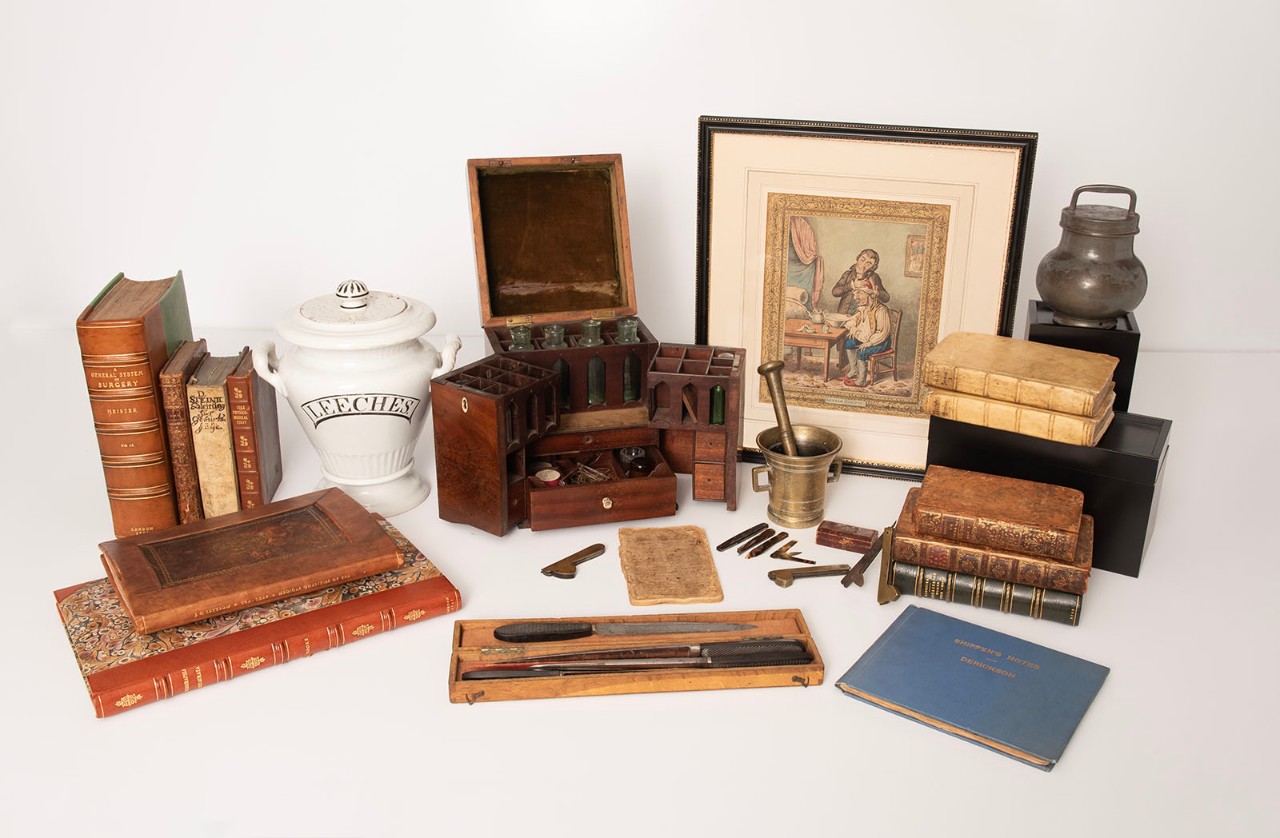

In 1824, a young Philadelphia surgeon named George McClellan, MD, did something that seems, in retrospect, both obvious and audacious: He decided to build a medical school in Philadelphia because there weren’t enough doctors to serve the community.
The math was straightforward. By the 1820s, Philadelphia’s population had doubled in two decades. The country was expanding faster than its institutions could follow. Existing medical colleges produced fine graduates, but not nearly enough of them.
McClellan saw the gap and, after a series of maneuvers that included a legendary midnight ride to Harrisburg to secure a charter — the kind of story that gets better with each retelling — he laid the foundation for Jefferson.
Two hundred years later, the arithmetic looks familiar.
By 2036, the United States could face a shortfall of up to 86,000 physicians, according to a 2024 projection from the Association of American Medical Colleges. Primary care and surgery are hit hardest, with potential gaps of 40,000 and 20,000 physicians, respectively.
These aren’t abstract numbers. They represent the patient who waits six months for an appointment, the rural community without a surgeon within a reasonable drive, the emergency department perpetually overwhelmed.
Jefferson’s response is not merely to acknowledge the problem, but to expand the capacity to solve it.
One effort is underway in Delaware, where Jefferson was recently selected to operate the state’s first medical school, which will be funded largely by the federal government with additional meaningful opportunities for philanthropy (see pg. 8). We plan by fall 2028 to have at least 40 students enrolled and attending classes.
Another is taking shape in the Lehigh Valley, where, following the addition of Lehigh Valley Health Network into Jefferson Health, plans are moving forward for a four-year regional medical campus. We are going through the accreditation process now, with the goal to enroll 45 students beginning fall 2029. Those students will train across Jefferson’s Lehigh Valley hospitals, learning medicine the way it is best learned: at the bedside.
These initiatives are about more than simply filling a workforce gap. They are about building the next generation of physicians where they are needed most, training them in the communities they may ultimately serve, and extending the reach of academic medicine beyond traditional centers.
Alumni support will be crucial for these endeavors. Look for more information on our progress and how you can help in the pages of the Bulletin, through updates from the alumni office and your class ambassadors, and at upcoming alumni events, including Alumni Weekend on Oct. 23 and 24.
A story survives about McClellan’s return ride from Harrisburg. His wagon became mired in the outskirts of Lancaster in the middle of the night. A farmer emerged from the darkness, took in the situation, and offered a hand. “Let us put our shoulders to the wheel,” the farmer said, “and leave explanations until another time.”
Much work lies ahead. But if we push the wheel together, we can accomplish anything.