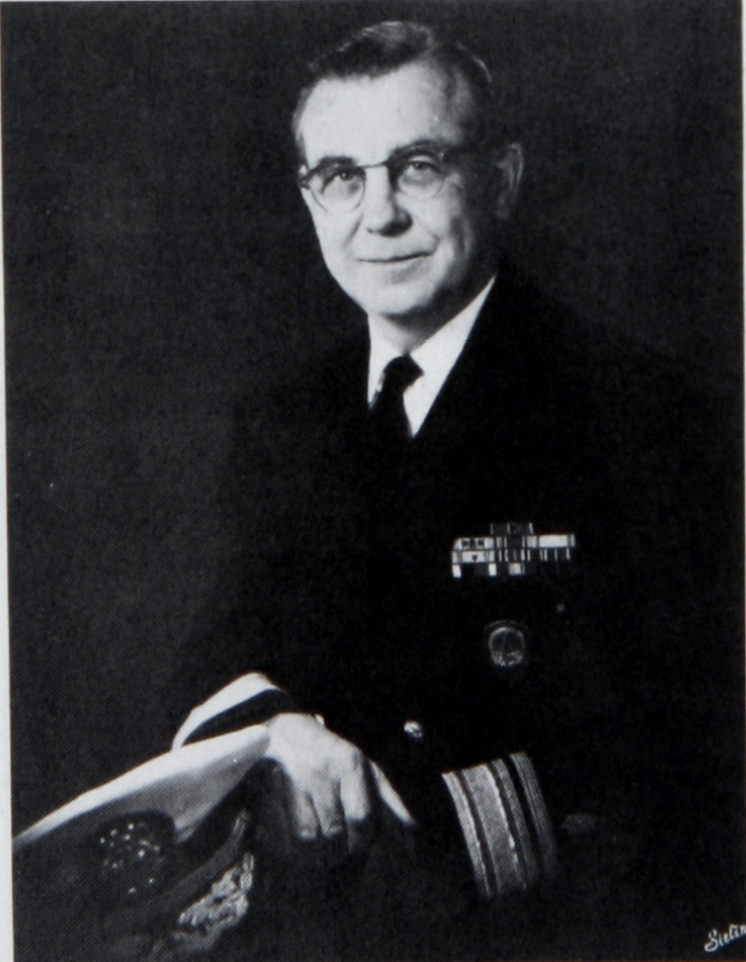

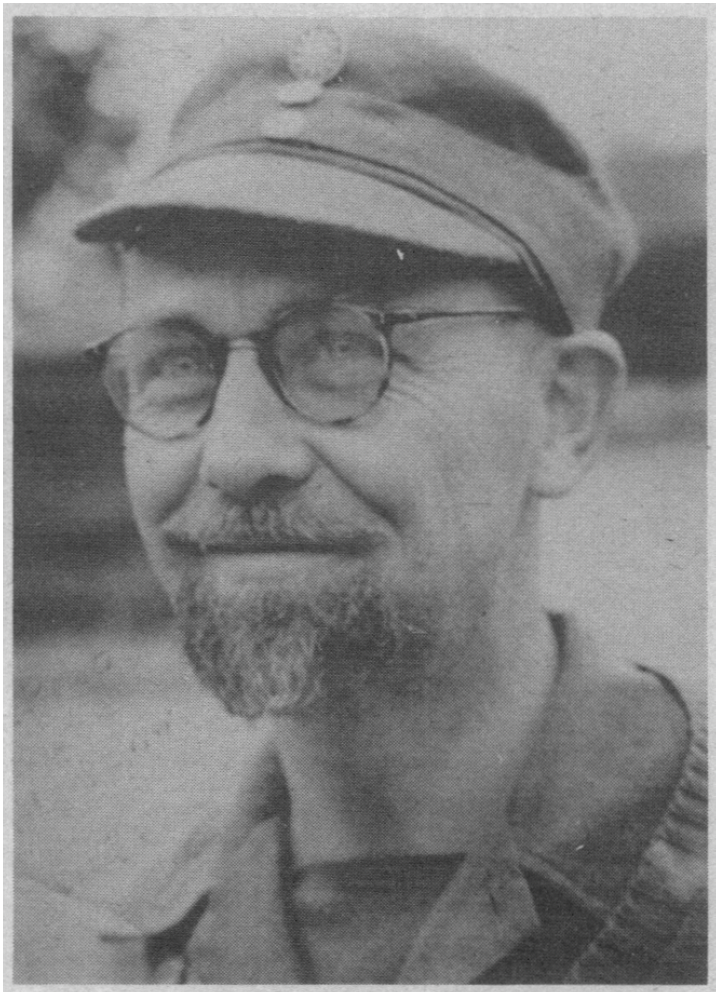
In 1940, Coggins relocated to Hawaii and was placed in charge of counterespionage, with a direct report to then Rear Adm. Chester Nimitz. During the following year, Coggins recruited and trained over 100 counterespionage agents. Many were Nisei (those of Japanese ancestry who were born in the territory of Hawaii or on the mainland, as contrasted with the Issei, those who were born in Japan, immigrated to Hawaii, and often maintained dual citizenship). Coggins’ training and investigation techniques were codified and became the first training manual for the ONI.
There was unease in the Hawaiian Islands both before the attack on Pearl Harbor and in the months thereafter, when martial law was declared. Anti-Japanese sentiment was at a fever pitch, and the U.S. government questioned their loyalty. There were calls for the relocation or internment of most of those with Japanese ancestry. Out of a Hawaiian population of 423,000, 158,000 were of Japanese ancestry (one-third with dual Japanese and American citizenship). The Nisei were torn between their allegiance to the land of their fathers and their Shinto beliefs, and to their newfound culture and language.
Looming in the background were events on the U.S. mainland. In 1942, President Franklin Roosevelt issued Executive Order 9066, resulting in the removal of 122,000 Japanese-Americans on the West Coast to “relocation centers.” (Roosevelt’s order was upheld in 1944 in the Supreme Court case of Korematsu v. United States, a case that historians later viewed as an egregious abuse of executive and judicial power.)
Fear was now a grim reality for the Nisei. However, there were practical economic factors that complicated the issue of the internment of Japanese-Americans in Hawaii. Back then, Hawaii’s large sugar and pineapple plantations were a major part of the economy. Over 80% of the world’s pineapples came from Hawaii, and a majority of the workers on the plantations were of Japanese ancestry. The internment of Japanese-Americans would have crippled the Hawaiian economy.
The Nisei found a champion to plead their case and affirm that they were loyal to the U.S. in the unlikely “spymaster of Hawaii,” Cecil Coggins. He helped draft a statement that declared, “To deprive us (Nisei) of the sacred rights to bear arms is contrary to the principles upon which American democracy is founded.”