
Though the World Health Organization (WHO) declared the COVID-19 emergency over in May, the coronavirus continues to profoundly shape many people’s lives. Data from the CDC’s Household Pulse Survey revealed that more than 40% of U.S. adults reported having COVID-19, and nearly one out of five of those are still experiencing symptoms of long COVID. One study estimates that at least 65 million people around the world have long COVID.
How Can Occupational Therapists Help People With Long COVID?
With a lack of validated rehabilitation interventions for people with long COVID, occupational therapy could help patients get their lives back to normal.
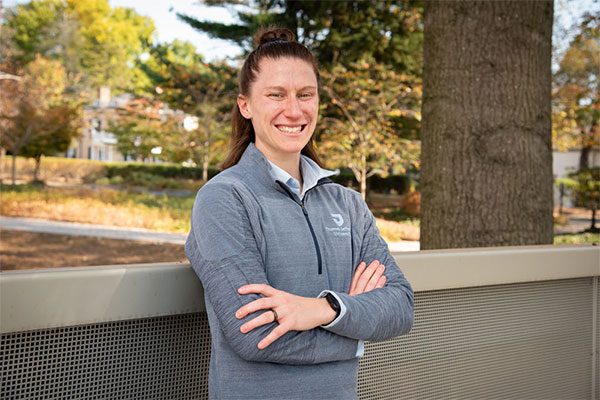
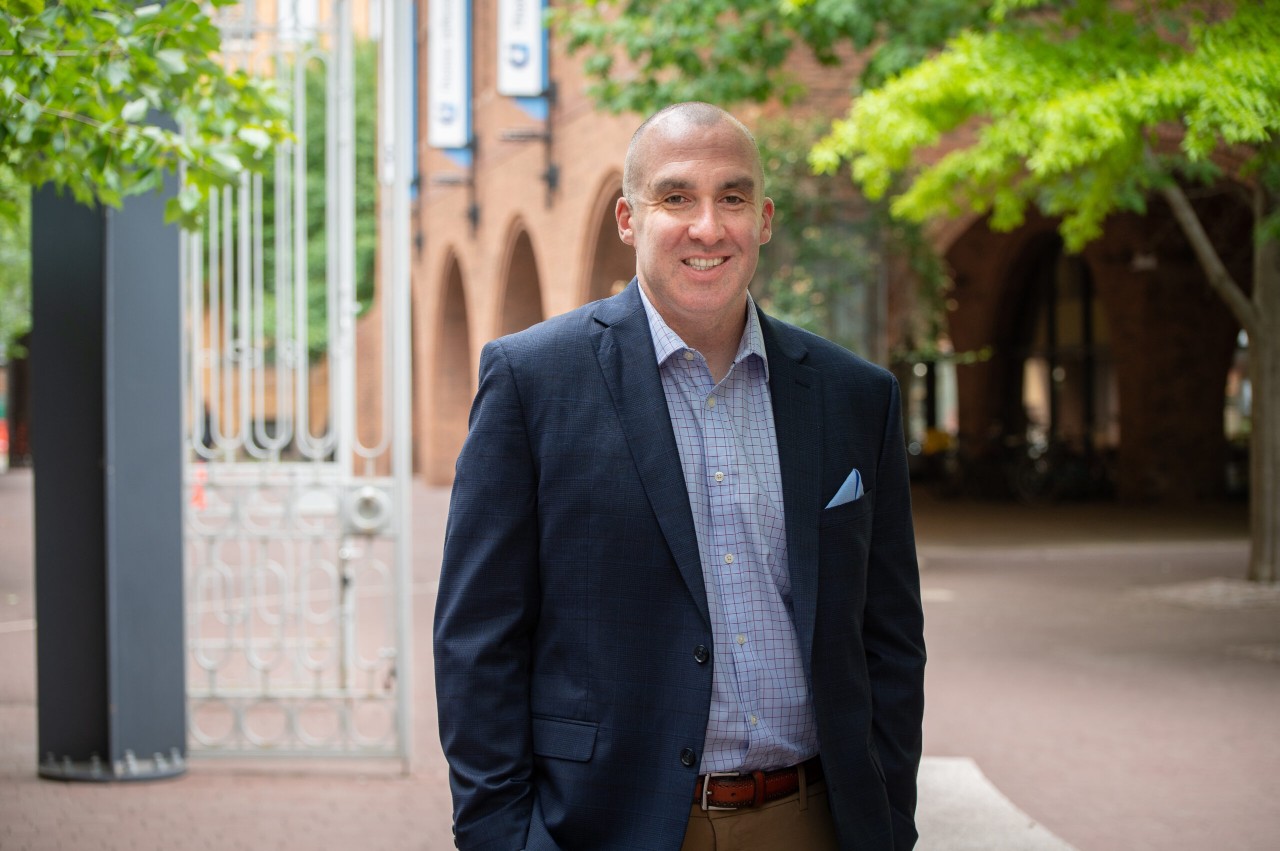 Malachy J. Clancy, PhD, OTR/L, BCPR, Assistant Professor, Department of Occupational Therapy. Photo credit ©Thomas Jefferson University Photography Services.
There’s currently no cure for long COVID, though healthcare providers across a range of specialties are working to treat it in new and innovative ways. One of those specialties is occupational therapy, a branch of medicine that helps individuals with illness or injury take part in the activities that matter to them. Occupational therapist Malachy Clancy, PhD discusses how his field is approaching the complex problem of long COVID.
Q: Tell us a bit about your field or area of research.
A: As an occupational therapist, I’m interested in helping people function and live their daily lives in the best and most meaningful ways possible while dealing with illnesses or injuries. As many know, the COVID-19 pandemic significantly impacted how we live and function, and for many, it resulted in long term illness that limits engagement in work, school or daily life. I’m currently exploring how illnesses such as long COVID impact people’s ability to function and what we as occupational therapists can do to help.
Q: Can you give some examples of how long COVID affects peoples’ lives?
A: Long COVID affects each person differently, but the most reported symptom is fatigue. The level of fatigue may vary from person to person and day to day, but ultimately, it impacts each person’s ability to take care of themselves and function the way they were able to previously. Other symptoms include trouble concentrating, forgetfulness, breathing difficulties and vision problems. People with long COVID may also experience orthostatic intolerance, where standing up causes a sharp drop in blood pressure that leads to lightheadedness, and post-exertional symptom exacerbation, a condition in which a person experiences profound fatigue 12 to 72 hours after a physically or cognitively strenuous task. There are many more symptoms we continue to learn about, and these symptoms can be isolated or present in different clusters. It makes living with long COVID extremely challenging.
Q: What’s one question you’re exploring currently?
A: Right now, I’m interested in how rehabilitation professionals such as occupational therapists, physical therapists and speech language pathologists are finding and using evidence to help people with long COVID. For example: Where are rehab professionals looking for information to support individuals with long COVID, and how do they use that information in their treatments? Do rehab professionals feel that the evidence they are finding is appropriate or applicable to their patients? Do they feel it will actually improve patient outcomes?
There isn’t much evidence for or against these techniques
Q: Is there an accepted occupational therapy regimen for long COVID?
A: Unfortunately, there are no validated rehabilitation interventions for people with long COVID to date, so we don’t truly understand what might be making people better. We do know that over-exertion or too much activity may actually harm people with long COVID.
Q: What are some of the different therapies people with long COVID are trying?
A: Interventions include participation in daily living activities; building activity tolerance; management of fatigue, malaise and symptom exacerbation; providing cognitive interventions; and promoting emotional health. Most of the evidence is being “borrowed” from other chronic health conditions, such as chronic fatigue syndrome, cancer related fatigue or other infections such as Q fever. There isn’t much evidence for or against these techniques — it’s more trial and error, which is the scary part. We still aren’t sure if the interventions are helping or hurting, or if people are just getting better due to natural recovery as significant time has elapsed since symptom development.
Q: What drives you to continue this work?
A: Understanding how evidence is used in clinical practice and overcoming barriers to adoption of evidence — such as finding trustworthy, reputable sources that offer clear recommendations that can be quickly implemented in clinical practice — is key to helping people recover from illness or injury faster. Unfortunately, it can take a long time for research to be undertaken and then implemented.
Q: What’s something you’re passionate about outside of your research?
A: I think helping to advance clinical practice and health outcomes through teaching is key. To continue to promote optimal health outcomes, we all must continue to learn from each other and share our expertise. Knowledge sharing helps us all to grow and learn together, and it allows us to understand where we may be missing pieces of information that can then foster future research.
Q: What do you think the future holds for people with long COVID?
A: Hopefully, it holds continued opportunity for recovery, with advances in our understanding of what we can do to help people recover from this chronic condition.