
Health inequities can lead to lower access to nutritious foods, not getting enough exercise and potentially developing chronic illnesses like heart disease and type 2 diabetes. The World Health Organization (WHO) reports that global health inequities can shorten lives by decades. Low-income communities tend to be the most affected by health inequities. Through public health interventions, people in these communities can live healthier lives. This is what motivates public health researcher, communicator and associate director at the Institute for Smart & Healthy Cities, Katie DiSantis, PhD, MPH, to create long-lasting interventions to combat health inequity in the tristate area. Earlier this year, Dr. DiSantis was recognized for her impactful research with the Provost Award for Applied Research at the Annual Faculty Awards Dinner. Learn more about her research in the conversation below.
Combating Health Inequity With Community Interventions
How a Jefferson researcher is finding solutions to fuel positive change for low-income communities affected by health inequalities.
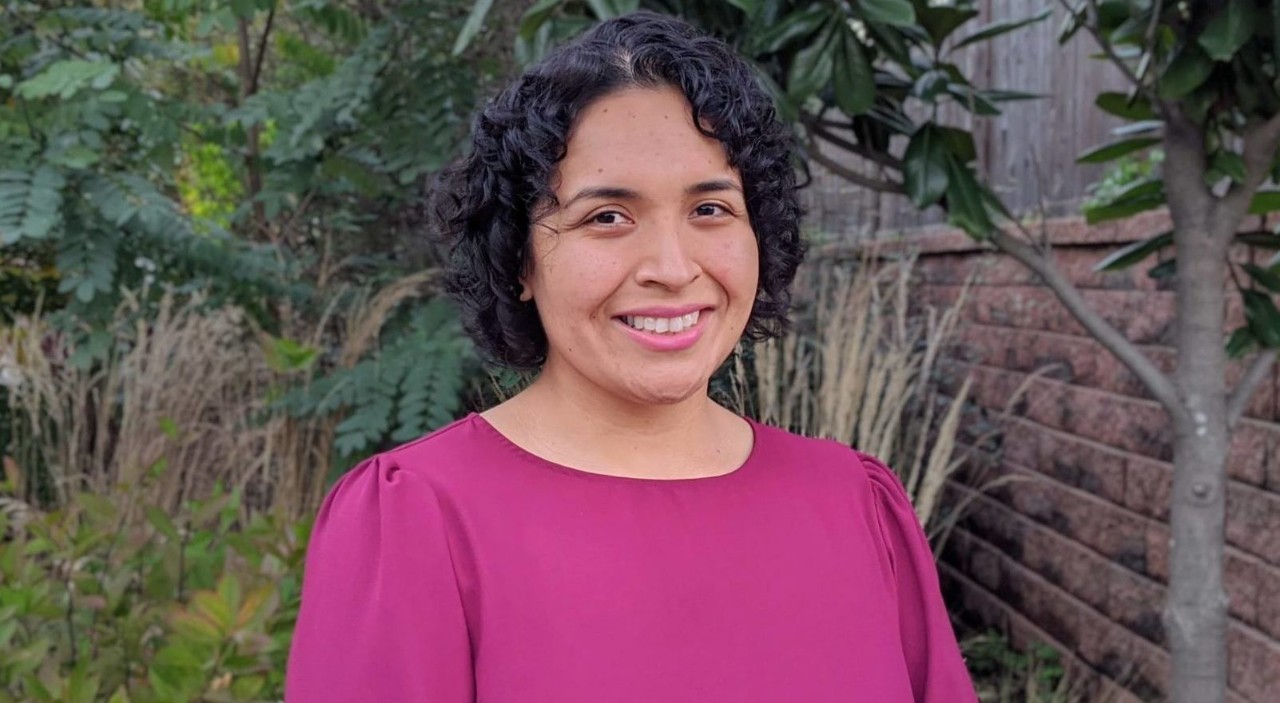
 Katie DiSantis, PhD, MPH, associate professor of public health and associate director of the Institute for Smart & Healthy Cities. Photo Credit: ©Thomas Jefferson University Photography Services
How would you describe your research?
I study how the places we live shape our health. I’m especially interested in understanding the impact of access to nutritious foods and environmental exposures that disproportionately affect lower-income communities.
I make observations about neighborhoods, schools and clinical settings to better understand the support that families of lower income need. I then design practical, evidence-based interventions that make the healthy choice the easy choice.
What problem does your research try to solve?
At its core, my research addresses a fundamental mismatch: we ask individuals to make healthy choices in environments that often make those choices difficult or impossible. This causes health inequities to surface due to structural differences in food systems.
In the U.S., the vast majority — nearly 60% for some indicators — of adults and children do not meet dietary recommendations. For example, about 10% of adults meet vegetable intake recommendations, and only 2% of high school students meet them.
Unfortunately, ultra-processed foods are often readily available, enticing and cheap. Public health and healthcare professionals need to develop methods to counter these options.
Chronic diseases are impacting the quality of life and longevity of so many Americans — for example, about one in seven adults currently have type 2 diabetes and one in five children have a weight status that is considered obese, which increases their risk for the development of type 2 diabetes and heart disease. My goal is to build systems that proactively support health, ensuring the opportunity for good health is not determined by ZIP code.

What’s one intervention your research aims to create/develop?
“When we embed food access support directly into healthcare settings, can we meaningfully shift dietary behaviors and reduce disparities at scale?”
As a public health researcher, I aim to do this by bringing engaging nutrition education and free access to healthy foods to community members throughout the Philadelphia region and patients within the Jefferson Health system and its affiliates, like Nemours Children’s Hospital.
I’m interested not just in whether our interventions work, but in how we can design them to be sustainable and family- and community-centered.
What first sparked your interest in addressing food inequalities?
During my undergraduate training, I studied biobehavioral health and neuroscience and I began to understand how systemic inequities shape health behaviors and outcomes, which drive disparities across communities. While some behaviors can be deeply ingrained because of our environment, they can still be malleable when health interventions are designed thoughtfully. That perspective led me to study public health in graduate school and continues to guide my work.
I have always been dedicated to supporting those with fewer resources, which was instilled in me through my family and community. This has allowed me to come up with solutions for groups with greater barriers to making the healthy choice, the default choice.
What is your best memory from a health intervention you were a part of?
In our Nutrition and Music intervention, we offered children attending an after-school program eight nutrition lessons to create a song about the importance of nutrition. Since their class was held on Fridays after school, when the kids are a little distracted, I had some worries that they might not have taken in key elements of the nutrition education.
But when they began to write lyrics, it was clear they had learned a lot about the nutrition their bodies need and about how food environments can make it harder to be healthy. Their lyrics stick in my head to this day — “Every day I try to build better habits,” “H-e-a-l-t-h-y. Vitamins and minerals make me fly” and “Have you ever realized when you’re on TikTok, you’re only seeing foods that will make your life stop ticking, like fried chicken?”
This reminded me of the power of working across disciplines — the music producer was present at many of the nutrition education sessions and really helped students to express themselves through the lyrics.

What’s something unique your research added to the field?
In one study, conducted in 2014, we found that the use of nutrition labels is related to purchasing healthier foods and is more influential than many other factors.
This was one of those commonsense findings that surprised me in terms of its influence. A group of shoppers chose between different versions of common grocery items, like bread, soda and chicken in a hypothetical shopping scenario. We wanted to see how price, healthfulness, package size and convenience influenced what they would buy, and whether those influences differed by income or personal characteristics. We found that the use of nutrition labels was associated with a greater likelihood of purchasing healthier versions across most of the product groups we tested. Also, when nutrition labels were included, people in this study were more likely to pay for the higher-priced, healthy options as opposed to the lower-priced, unhealthy items. This shows use of nutrition labels during shopping can lead to healthy food purchases, despite cost.
This finding reminds us that combining nutrition education with other changes in the environment (like reduced pricing on healthier options or access to free/low-cost healthy foods) is important when trying to improve diet quality.
What’s something you’re passionate about outside of your research?
Spending time with my family and friends. I love baking and baking with my kids. I also love to run and I have enjoyed coaching youth sports, including soccer and basketball.
Who’s a role model or someone who shaped your journey? Is there a piece of advice that stuck with you or that you try to pass on to young researchers?
I’ve been fortunate to have several mentors across my career — from my first ‘research methods’ teacher to my current program director, with many in between. Each taught me something different, but the enduring lessons have been to listen carefully, be patient with the process and interrogate my own assumptions. I’ve learned to approach questions from multiple angles — especially from the perspective of those most likely to disagree with me — because that’s often where growth happens.
I would especially point to Dr. Shiriki Kumanyika, who mentored me when I was a post-doctoral researcher and beyond. She taught me that writing is a practice and that words matter. The best way to become a strong writer is to write with others, sit with their feedback and reflect on it carefully. My students in my ‘research methods’ will tell you I am very passionate about offering feedback in writing!