
In the U.S., there are stark and pervasive racial disparities in access to healthcare, mortality, chronic illnesses, and mental health. These disparities are a direct result of systemic inequities that exist in educational, economic, housing, and healthcare systems. The COVID-19 pandemic has highlighted just how deep these health disparities run through vulnerable communities – the CDC reported that COVID-19 hospitalization rates among non-Hispanic Black people and Hispanic or Latino people were both about 4.7 times the rate of non-Hispanic white people.
How Can Researchers Engage with Marginalized Communities to Better Understand Health Disparities?
Creating practices for researchers to include the voices of the communities they work with.
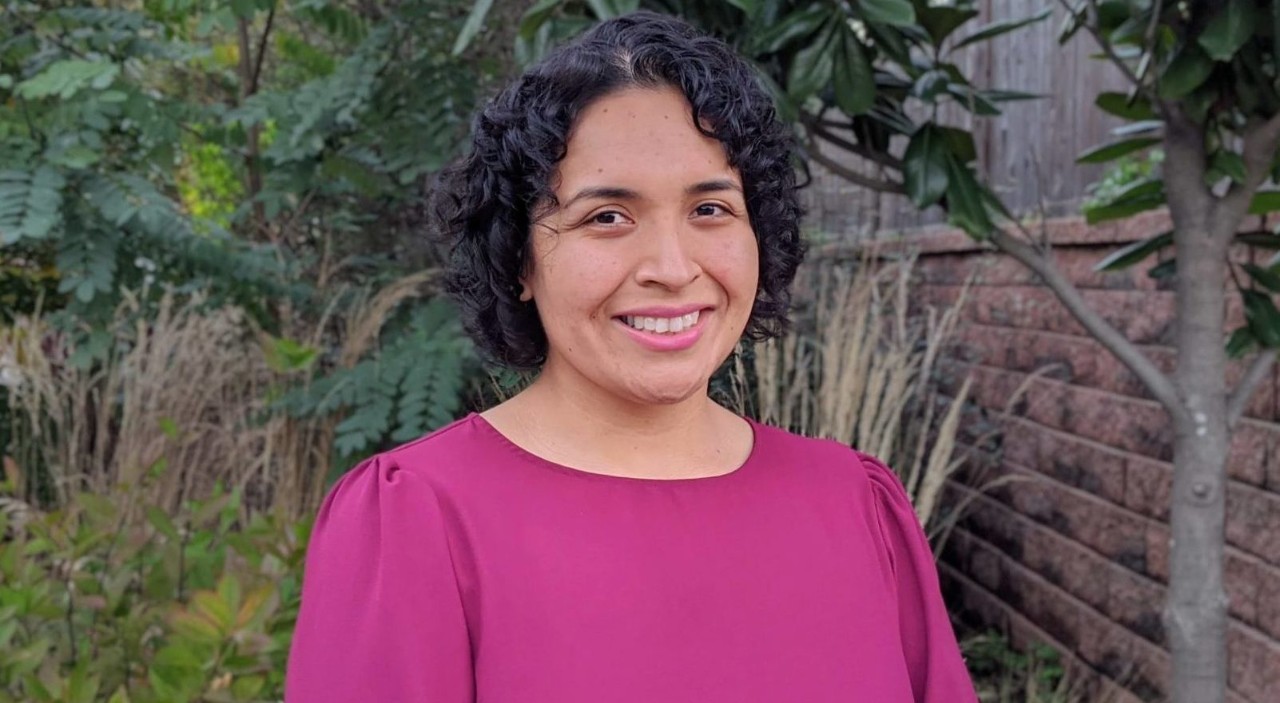 Jenny Martinez, OTD, Associate Professor in the Department of Occupational Therapy in Jefferson’s College of Rehabilitation Sciences.
Researchers like Jenny Martinez, Associate Professor in the Department of Occupational Therapy in Jefferson’s College of Rehabilitation Sciences, are working to bridge the gap with marginalized communities, by creating partnerships for community-driven solutions towards ending health disparities. Find out more about Dr. Martinez’ research and the questions she’s trying to answer.
Q: What is your research focus?
A: My research focuses on addressing health outcomes for marginalized populations, particularly Hispanic or Latino communities and older adults. Within these research efforts, I am especially interested in best practices for the meaningful engagement of stakeholders. I believe that actionable and trustworthy research is created through partnerships with key stakeholders, including communities that experience healthcare disparities or distrust, or have little to no experience engaging in scientific research.
Q: What’s one question you’re investigating?
A: I’m part of a multi-institution collaboration and pragmatic trial that is investigating the best approach for decreasing the use of off-label psychotropic medications for nursing home residents with dementia. More than half of long-term care nursing home residents have Alzheimer’s disease or dementia. As the disease progresses, patients experience symptoms such as restlessness or agitation which have been historically managed with off-label psychotropic medications. However, such medications may have negative side effects and decrease quality of life.
As part of this study, I lead our teams’ stakeholder engagement. This involves the meaningful involvements of healthcare stakeholders (e.g., caregivers, patient advocates, practitioners, policy makers, researchers) throughout the entire research process which spans study planning, implementation and dissemination of results. Specifically, I oversee our collaboration with an invaluable advisory committee comprised of nursing-home stakeholders. Our stakeholders have been key to helping our research team design and conduct a study that fills current gaps in knowledge about the most effective approaches for persons with dementia, while being responsive to the needs of nursing home residents, caregivers, and staff. More recently, our advisory committee’s lived experience and expertise has been essential to helping us understand the experiences of nursing home residents, caregivers, and staff during the COVID-19 pandemic. In addition to developing best practices for engagement, I am also investigating ways to better evaluate our success in this process through ongoing communication with our stakeholders and formal opportunities for feedback.
Q: That’s really interesting! Do you participate in improving stakeholder participation in other studies?
A: As more and more studies seek to involve stakeholders, it is essential that researchers are prepared to develop and maintain meaningful partnerships with our community partners, including those most vulnerable. To this end, I’ve supported additional research that engages a range of stakeholders in different ways. For example, I recently investigated falls through the perspectives of rehabilitation providers and patients in post-acute care settings. I have led the development of a lifestyle intervention for late-midlife rural-dwelling Latinos in collaboration with community health workers, or promotoras de salud. I have also investigated the impact of language discordance in rehabilitation following spinal injury, and more recently, am expanding my knowledge of measurement techniques by evaluating widely used tools to capture functional abilities of persons with spinal injury.
Q: What first sparked your interest in your area of research?
A: I became interested in this area after seeing a need to represent the voices of non-researchers in ongoing studies. Further, I noted that the voices of marginalized communities were often missing from research on disparities or quality of care. I became interested in ways to create researcher-stakeholder partnerships and bridge the gap through equitable and inclusive practices that can be implemented by investigators.
Q: What’s an interesting fact about your study subject?
A: Many people have been touched by the experience of caregiving for an older adult with Alzheimer’s disease or dementia in their lives. They are very much tuned in to the everyday experiences and demands on a caregiver and their support system. Further, we are seeing unprecedented need in this community as policies to minimize viral spread during the COVID-19 pandemic have created unprecedented challenges for people with neurocognitive disorders who previously depended on events such as family visitation and group activities to mark their daily routines. While there’s a lot of questions to answer, any new insights go a long way for supporting the quality of life for millions of people impacted by Alzheimer’s disease or dementia.
Q: Many researchers have superstitions. Things they’ve done to cosmically help their research work succeed. What are yours?
A: I believe that I do my best work when I care for myself. I do the best I can to get a good night’s sleep, eat well, and engage in movement. I also try to set reasonable expectations for myself and be kind to myself when things don’t go according to plan.
Q: What’s the best part of your job?
A: I am moved by the privilege I have in helping chart a path forward to address health outcomes through research and policy, as well as the chance to work with students to expand their approach as future practitioners. I value the opportunity I have to help elevate the voices of all stakeholders, particularly those whose daily experiences are marked by systemic inequities.
Q: What’s something people would be surprised to find out about you?
A: Movement helps me reset, stay grounded, and keep in touch with my body. I am especially fond of lifting heavy things via strength training and strength sports.
Showing 3 items.