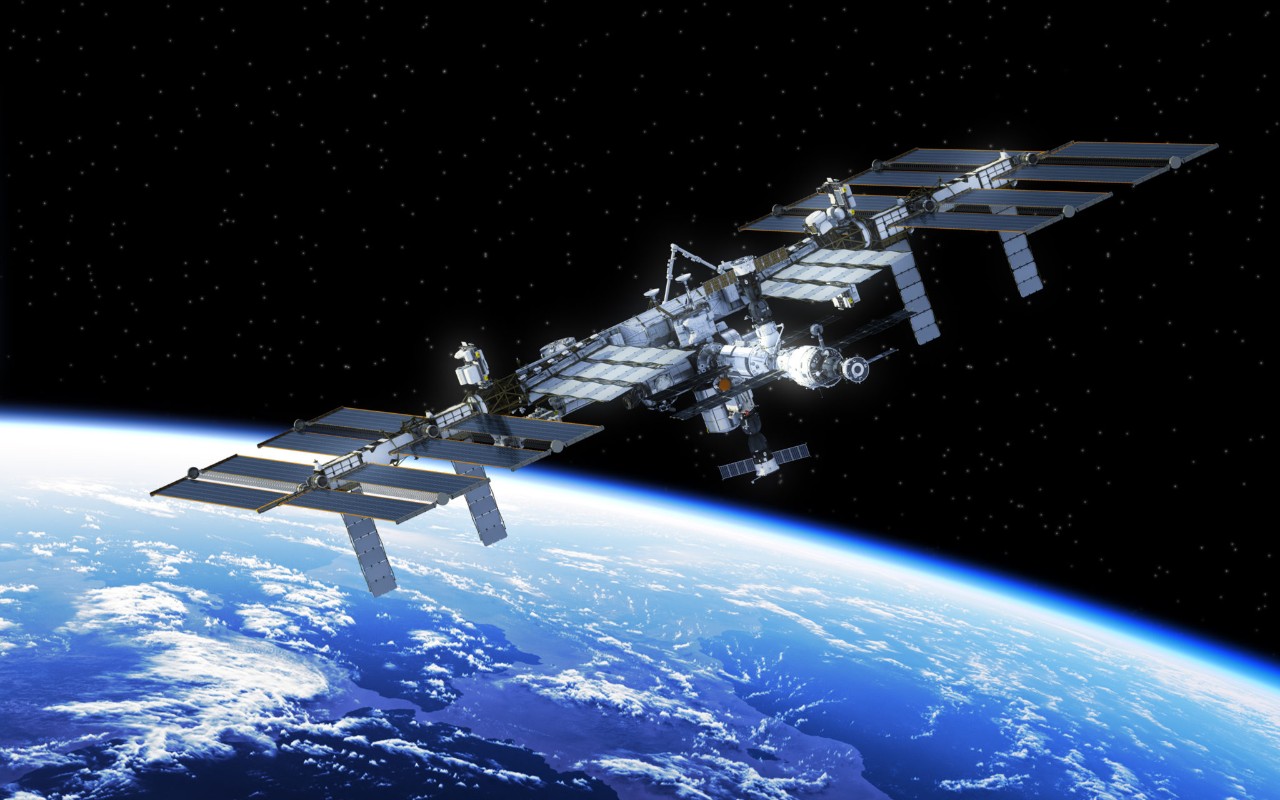

PHILADELPHIA – Early next year, the Rakia space mission will be the first to send space tourists to the international space station (ISS), along with 44 research projects to help scientists explore a broad range of topics, including the effects of low-gravity and space travel on the human body. Three of these projects are contributions from Thomas Jefferson University collaborations.
Sending Research to Space
Three projects from Thomas Jefferson University will become part of the first-ever private mission to the International Space Station.
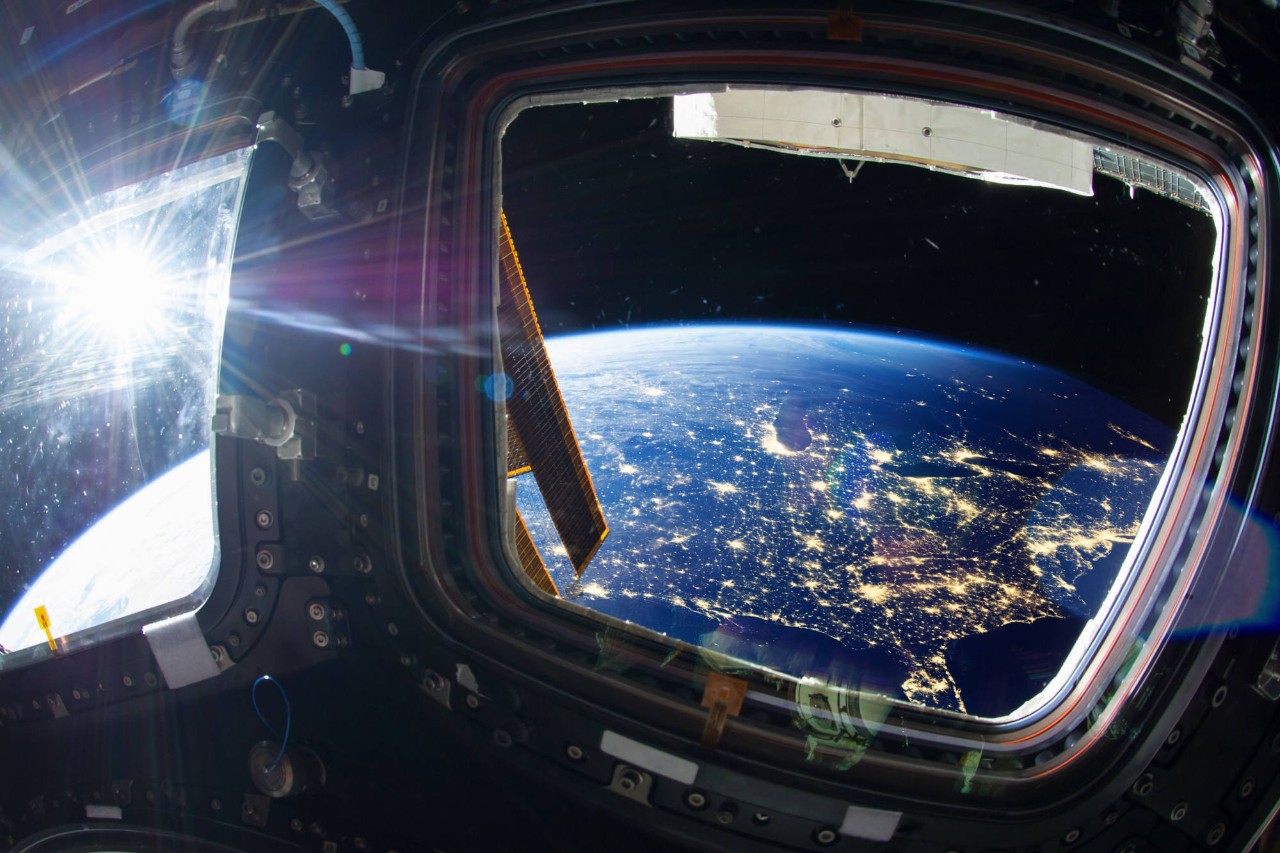
The Rakia mission to the ISS, led by the Ramon Foundation and the Israeli Space Agency at the Ministry of Science and Technology in Israel, will carry Eytan Stibbe, a former fighter pilot, one of the founders of the Ramon Foundation, and only the second Israeli to go to space. Jefferson is collaborating with researchers from Sheba Medical Center in Israel, and other institutions to develop experiments possible for non-scientists to perform.
“The Rakia mission selected all three of the projects that Jefferson and our collaborators submitted,” says Zvi Grunwald, MD, executive director of the Jefferson Israel Center, who helped foster the three Jefferson collaborations. “This mission is a very unique opportunity to understand life in space and how it affects human health.”
One project, led by Paul Chung, MD, assistant professor in the department of Urology at Jefferson, will look at how low gravity and the space station environment might change an astronaut’s urinary microbiome. “Urinary-tract infection and urinary retention can be serious problems on space missions,” says Dr. Chung. “Our project will assess the microbes in the urine before, during and after the space mission, to see how microbes – both the good and the bad – change.”
The project will have astronauts collect urine samples throughout the mission, and bring back samples for microbial analysis by next gen sequencing, provided by MicroGenDx. Collaborators include Javad Parvizi, MD, from Jefferson, Ben Boursi, MD, from Sheba, Caleb Phillips, PhD, from Texas Tech University and Curtis Nickel, MD, from Queen’s University.
In another study, George Brainard, PhD, professor of Neurology at Jefferson is collaborating on a project to monitor stress and sleep while testing stress interventions in novice space travelers. In earlier work, Dr. Brainard’s group had previously built a full-sized replica of ISS crew quarters in their lab at Jefferson to study the effects of novel NASA light modules on sleep and the circadian system.
For many years, our lab has been looking at how light can affect the human body, on earth and in space,” says John Hanifin, PhD, who will lead Jefferson’s contribution to this Rakia mission project. “We are excited to contribute to this project.” As part of the Rakia mission, the group will investigate how the stress of a space mission affects the human body. They will use electronic fit-bit-like wearables linked to mobile applications on Earth as well as using other visual, auditory and behavioral tests. The technology could help provide support to astronauts as needed from the ground. This project is led by Asaf Caspi, MD, director of Psychiatry at Sheba, in collaboration with Yael Henkin, PhD, Harel Baris, MD and Iris Shtein at Sheba Medical Center, with support from Dr. Grunwald, from Jefferson, and Limor Caspi, MD, and Rachel Kaplan at Sheba.
In a third study, Adam Dicker, MD, professor and chair of the department of radiation oncology at Jefferson, and colleagues, will collaborate on a project to study the effects of space travel on the immune dysfunction. Most astronauts suffer from changes in their immune system from heightened immune reactions to reactivation of viruses that normally lay dormant in the body. The group aims to analyze the baseline immune state of astronauts using a sophisticated molecular analysis of over 1,000 proteins from a blood sample before and after space flight. The project is led by Yaacov Lawrence, MD, from Sheba, with Yuval Shaked, PhD, from Technion, Israel Institute of Technology and Michal Harel, PhD, from OncoHost, an Israeli biotech startup.
“This is huge, and it’s really cool to have experiments designed by Jefferson’s collaborative team going onto the space station!” says University provost Mark L. Tykocinski. “We already had a toe in it with Jefferson helping develop lighting for the International Space Station, but now we have a foot in the door of space research. This time, we’re moving upward with actual experiments.”
All of the projects include time donated by the astronauts and are contingent on raising funds and approval by NASA. The mission is scheduled to launch in early 2022 as part of the Axiom Space Ax-1 project.