
Several high-profile police incidents involving people in the neurodiverse community caught the attention of Dr. Roseann Schaaf and others at Jefferson. In one case, police used deadly force against a man with autism.
Helping to Bring Social Justice to the Neurodiverse Population
Jefferson team develops autism toolkit for police, emergency personnel and justice professionals.
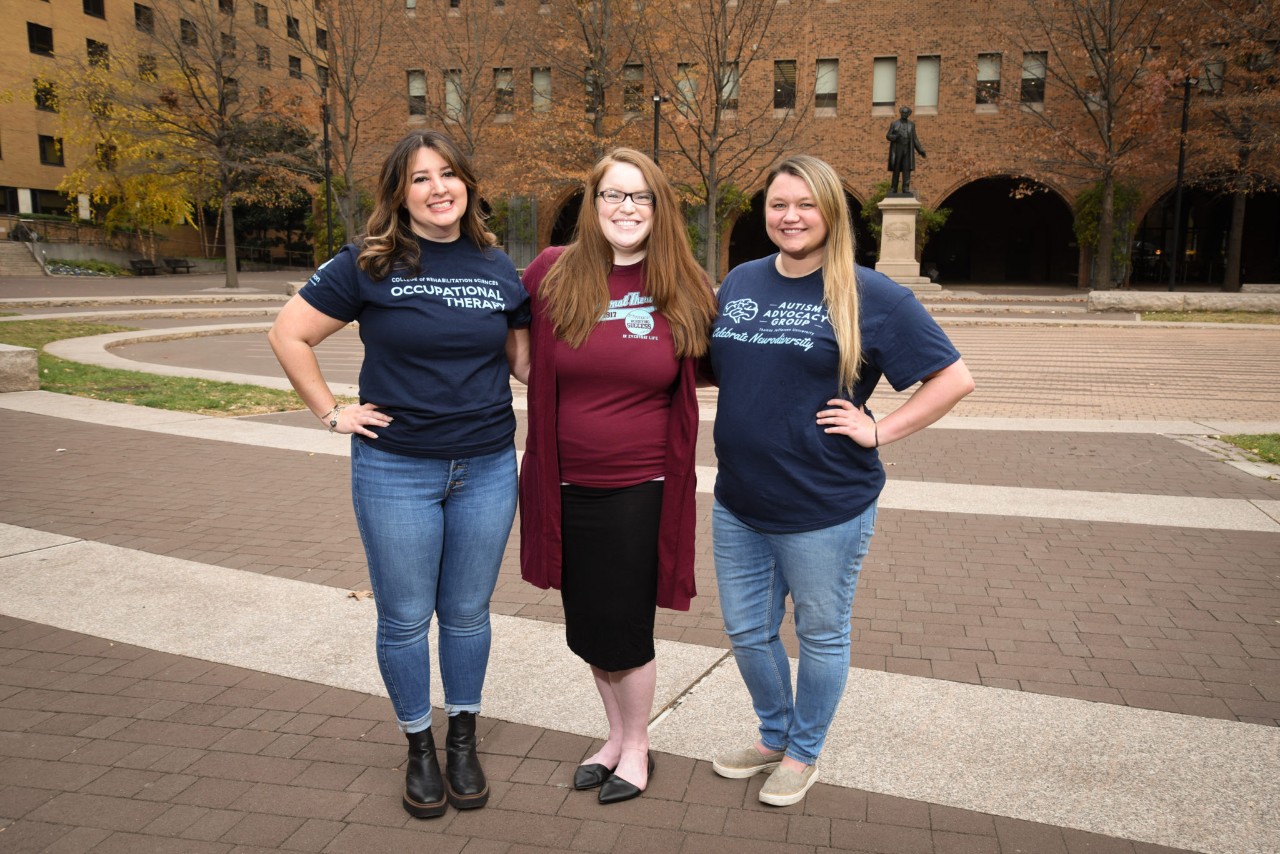 Doctorate of occupational therapy students Danielle Lynn and Rachel Boyer (left and right) and Jefferson Autism Center of Excellence research coordinator Rachel Dumont (center) created an evidence-based toolkit to help first responders recognize and manage the sensory differences of people with autism. (Photos by ©Thomas Jefferson University Photography Services)
As Dr. Schaaf and colleagues explored this topic, they saw that many first responders, such as police, emergency personnel and justice professionals, could benefit from a better understanding of the unique characteristics of individuals with autism and strategies to interact with them.
“There are more useful and effective ways to address a person with autism who’s having a dysregulated experience,” says Dr. Schaaf, director of the Jefferson Autism Center of Excellence. “For example, if they’re sensitive to touch and the first responder attempts to grab them, it could make the situation worse. We recognized that some education about autism and their sensory differences might help bring some social justice to this population.”
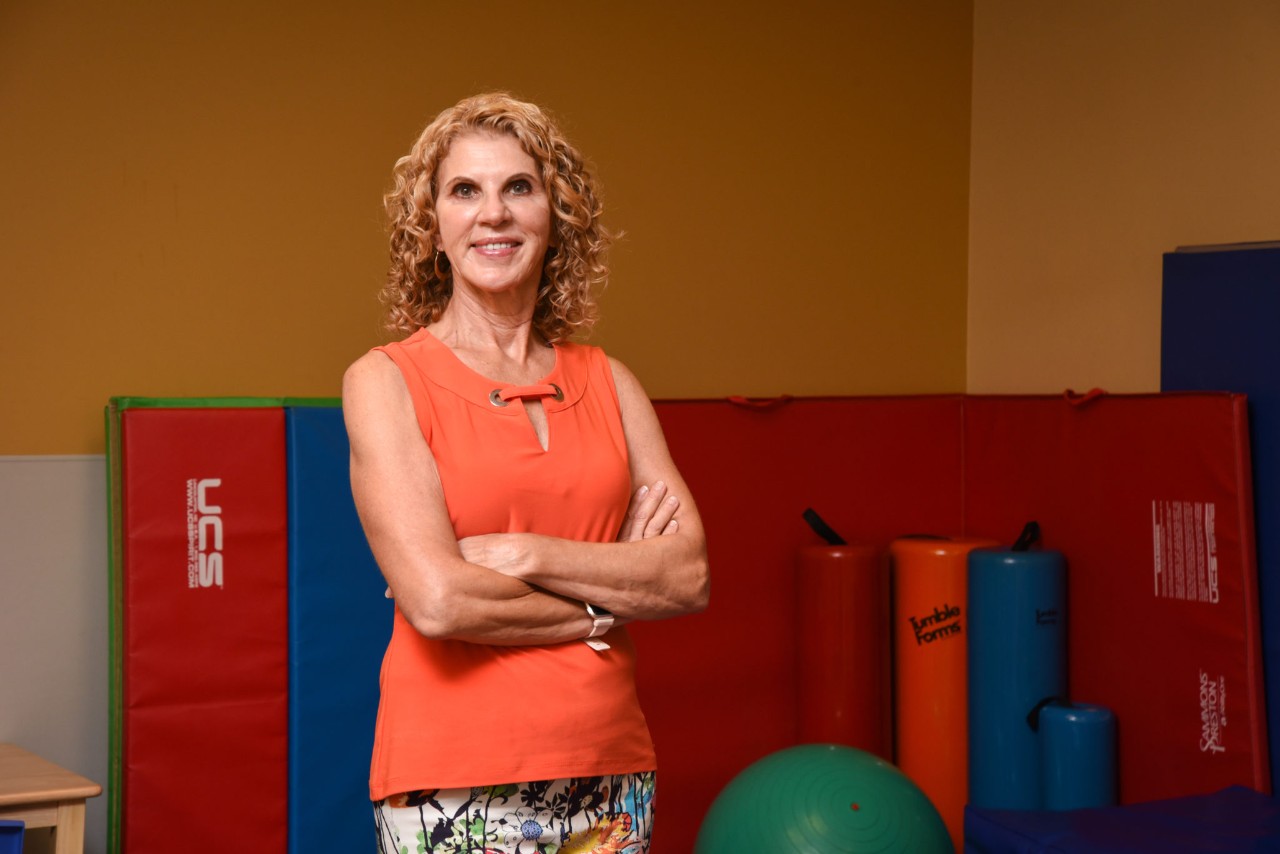 “All people with neurodiversity should be treated with equal respect and knowledge of what’s driving their behavior before assuming it’s a negative aspect,” says Dr. Roseann Schaaf, director of the Jefferson Autism Center of Excellence.
To address this need, Jefferson collaborated with Drexel University’s A.J. Drexel Autism Institute and contributed the educational module, “Project ASSIST: Autism Sensory Strategies, Information and Toolkit.”
The Jefferson team—led by Jefferson Autism Center of Excellence research coordinator Rachel Dumont and several occupational therapy students—developed the evidence-based toolkit to help police, emergency personnel and justice professionals recognize and manage sensory differences.
“Individuals with autism are often overly sensitive to what may seem like typical levels of sensation, like lights, sounds and touch,” explains Danielle Lynn, doctorate of occupational therapy student. “Conversely, they may be unaware of crucial sensory information in their daily environments, such as touch, pain or temperatures.”
Further, many people with autism have difficulty integrating two or more sensations, such as visual and auditory cues or tactile and visual sensations, she notes. These sensory differences impact their ability to tolerate, understand and respond during interactions with others and in various settings and environments.
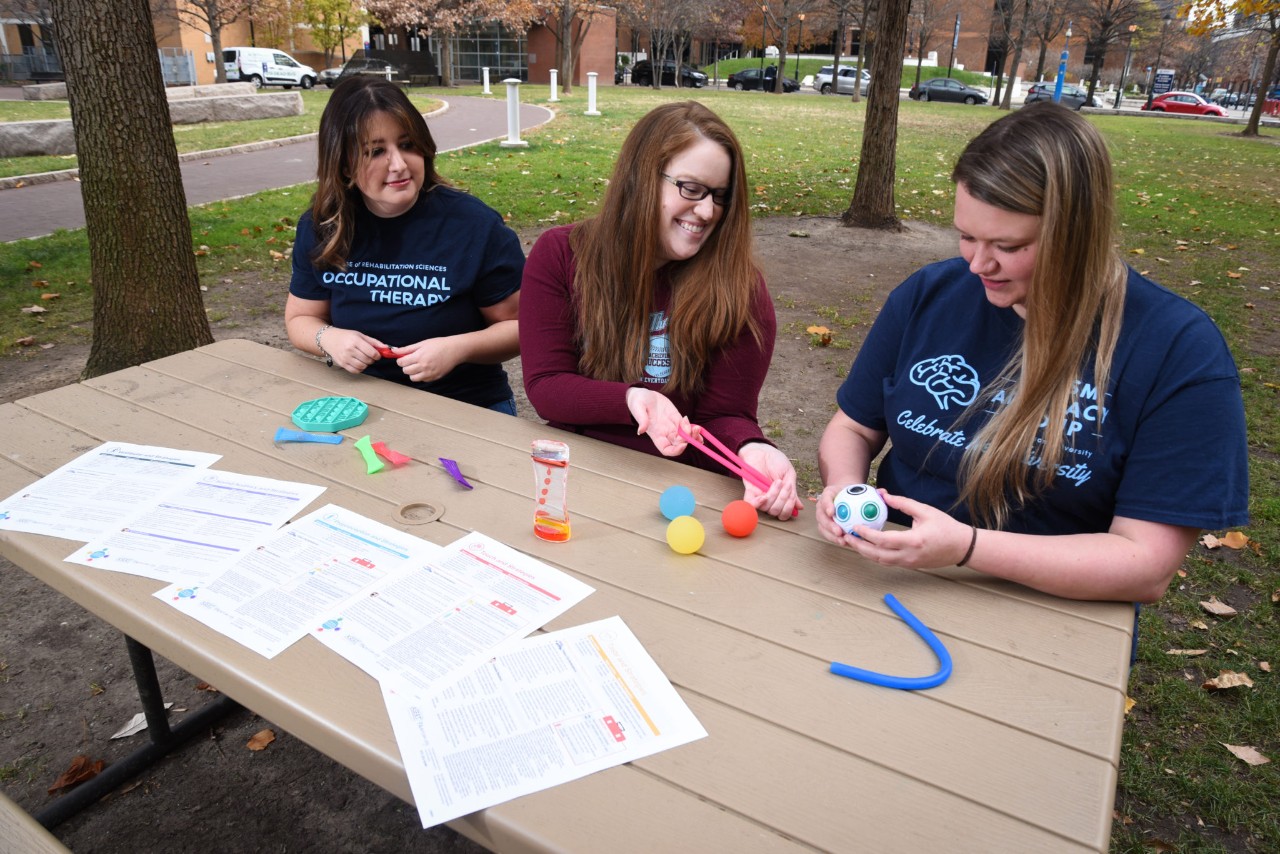 Project members (l-r) Danielle Lynn, Rachel Dumont and Rachel Boyer demonstrate sensory items.
“All people with neurodiversity should be treated with equal respect and knowledge of what’s driving their behavior before assuming it’s a negative aspect,” Dr. Schaaf says. “People with disabilities are more likely to be in the criminal justice system than those without. Therefore, it becomes important to understand their unique issues and, in particular, the sensory issues they deal with.”
As Dr. Schaaf saw the toolkit come together, she knew the work needed to continue. She asked the Jefferson occupational therapy students to adapt the educational materials into a training program for first responders.
Lynn and fellow doctorate of occupational therapy student Rachel Boyer have provided online training to representatives from the Philadelphia Department of Prisons and Pennsylvania Reentry Council (with several more scheduled). They hope to expand the outreach nationally.
In their presentation, they describe the sensory differences in individuals with autism; strategies to recognize them; and sensory items to help manage difficulties, including sunglasses to dim bright lights, noise-canceling headphones and fidget toys.
One of the great things about Jefferson is they push the boundaries of what occupational therapy can look like and where occupational therapists can be involved.
“This is the embodiment of what we aspire to,” Dumont says. “The crucial aspect of advocacy is being out there and making these changes. The more people you get involved in training, the more people you can impact. Seeing our students take on this initiative is such a fantastic thing.”
Both Lynn and Boyer say they’ve gained valuable real-world skills working on the project, which they believe will help them in their careers.
“One of the great things about Jefferson—and why I was so excited to come here—is they push the boundaries of what occupational therapy can look like and where occupational therapists can be involved,” Boyer says. “I never thought I would see myself leading a training for first responders. It’s a perfect example of how we can use our skills and knowledge as future occupational therapists and apply them in areas you wouldn’t typically think of.”
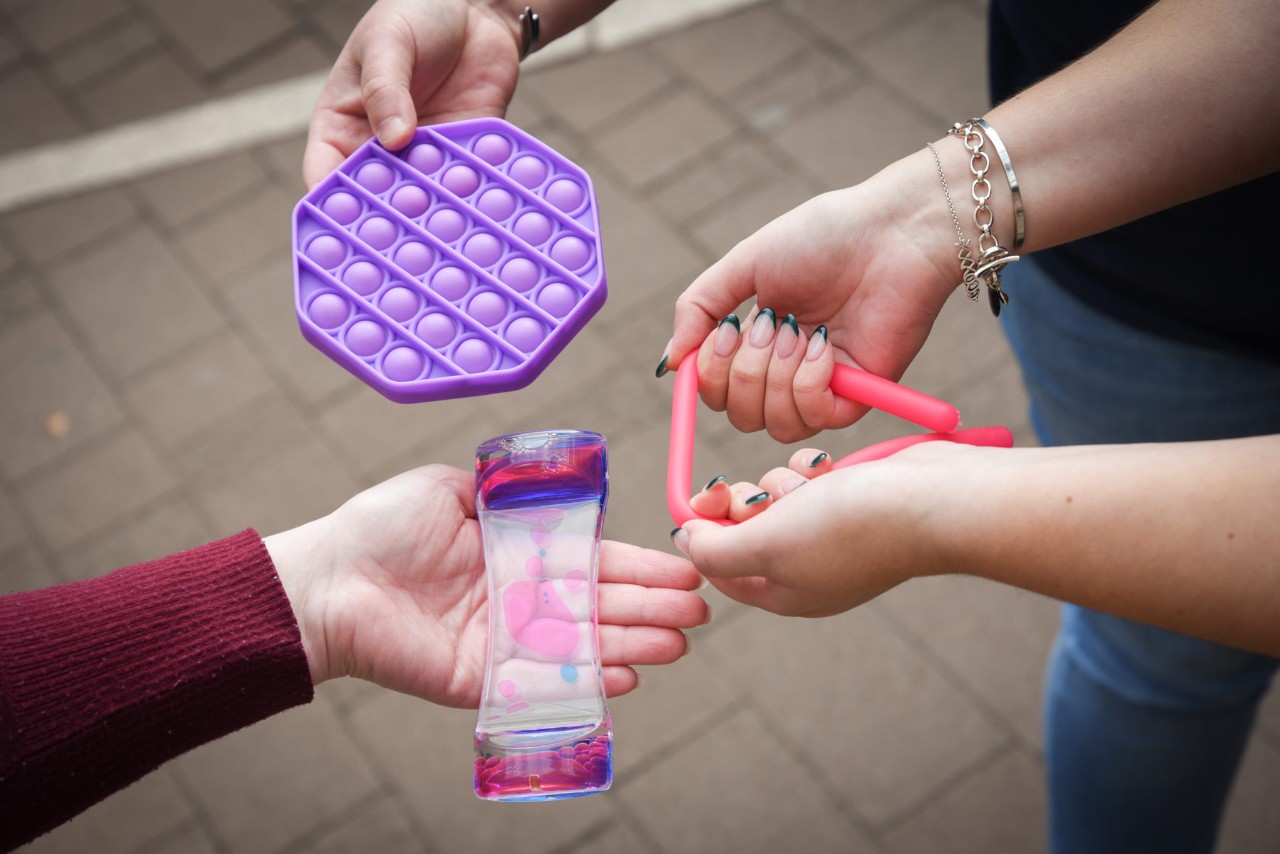 In the presentations, the Jefferson team describes the sensory differences of individuals with autism; strategies to recognize them; and sensory items (like these above) to help manage difficulties.