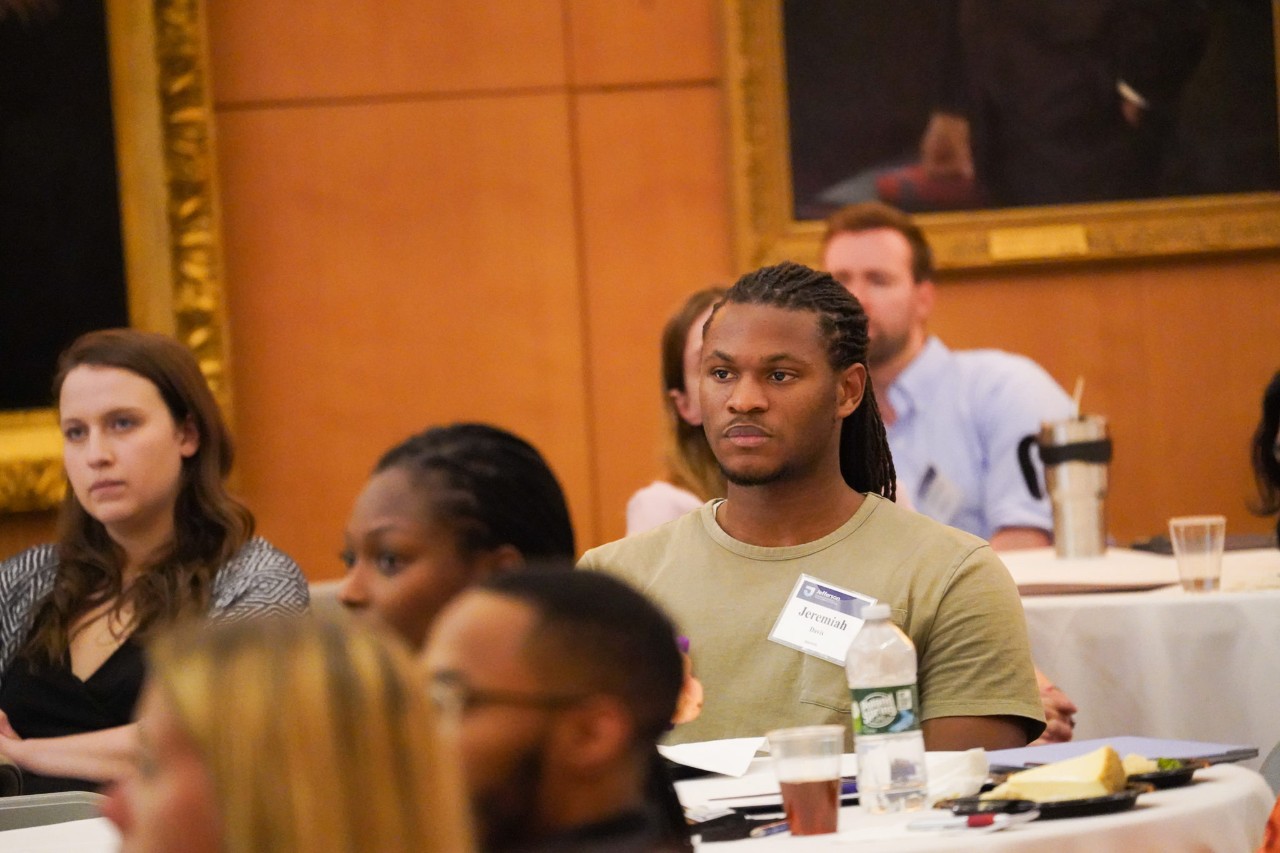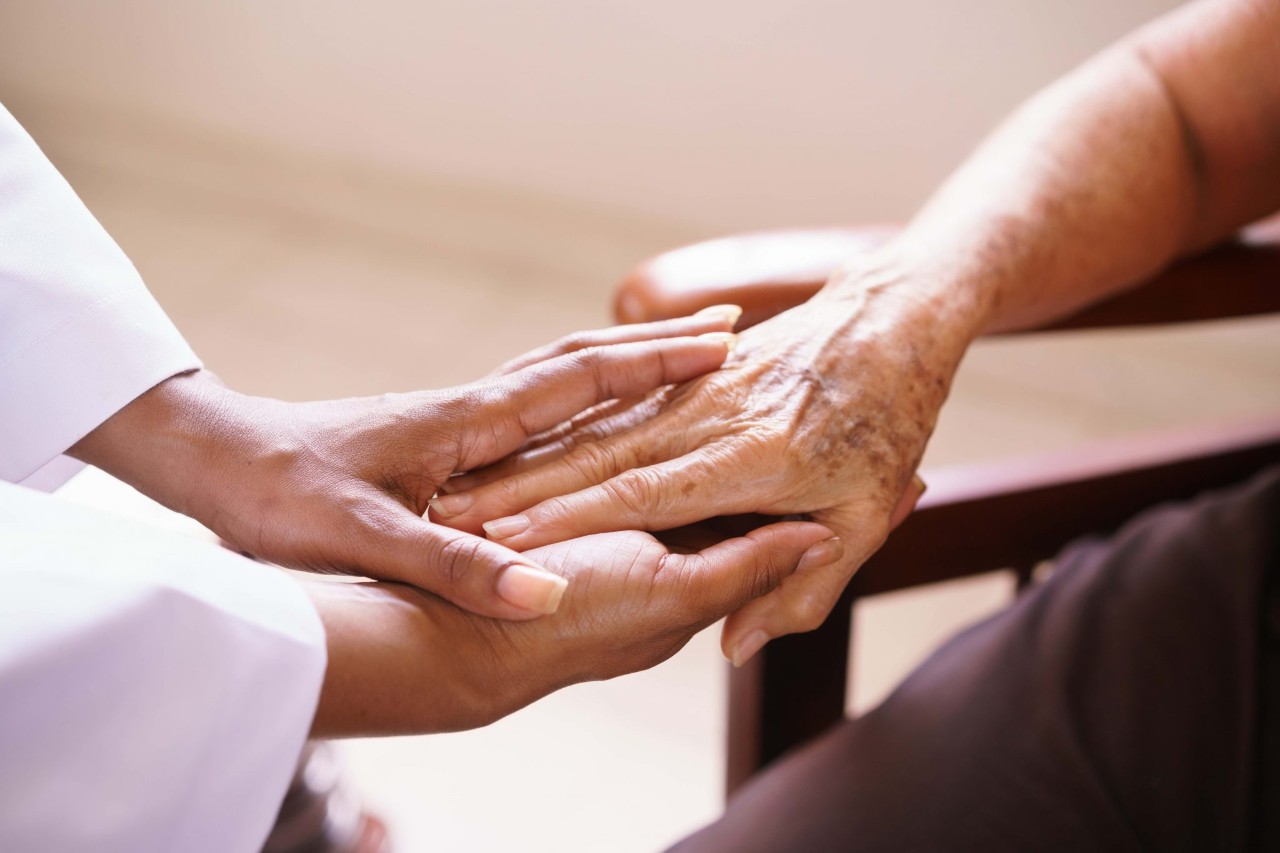

Roughly half of medical students experience burnout, and these feelings of exhaustion, cynicism and perceived inefficacy resulting from long-term job stress often continue into their professional careers.
Dr. Dimitri Papanagnou Wants Med Students to Be Comfortable With Being Uncomfortable
To help address physician burnout, the associate dean is working on a curriculum that focuses on the uncertainty in healthcare.
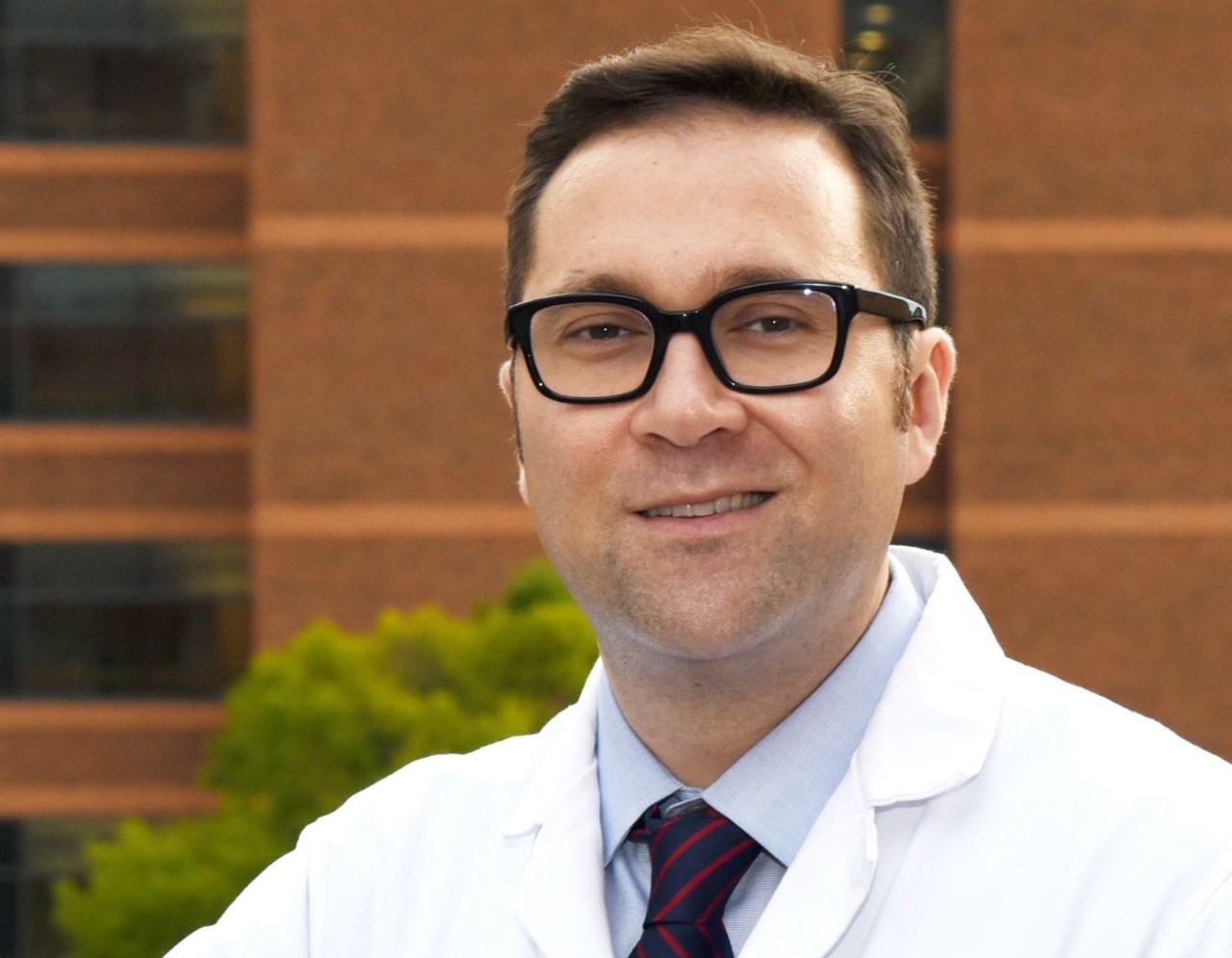 The Josiah Macy Jr. Foundation has recognized Dr. Papanagnou, naming him a Macy Faculty Scholar.
Declared a public health crisis, burnout among physicians can cause a whole host of serious problems, including lower patient satisfaction and care quality; higher medical error rates and malpractice risk; greater turnover; alcohol and drug abuse and addiction; and even suicide.
Research pinpoints some common causes of burnout, such as handling too many bureaucratic tasks, being overworked, increasing computerization of practice and, notably, grappling with uncertainty.
Declared a public health crisis, burnout among physicians can cause a whole host of serious problems.
“The landscape is just riddled with uncertainty—uncertainty with decision making and uncertainty with the diagnosis and how to communicate this uncertainty with patients,” says Dr. Dimitri Papanagnou, associate dean for faculty development and associate professor of emergency medicine at Sidney Kimmel Medical College. “Studies show that individuals who don’t have a healthy relationship or comfort with uncertainty are the ones challenged most.”
He wants to whittle away at this issue and get students to think critically about being uncertain in medicine. To that end, he’s working with peers to build a longitudinal curriculum that prepares students for uncertainty in clinical practice.
The Josiah Macy Jr. Foundation has recognized his work, naming Dr. Papanagnou one of just five Macy Faculty Scholars for the class of 2020. These scholars receive mentoring and financial support for their educational change project.
“We hope that experiences in such a curriculum will get students to be more comfortable with this uncertainty and provide them with the tools to navigate the world as healthcare providers,” Dr. Papanagnou says.
Individuals who don’t have a healthy relationship or comfort with uncertainty are the ones challenged most.
The goal will be to immerse medical students in the curriculum immediately and have it span four years of training, he says. The reason? In most cases, the first half of medical school follows a more straightforward path: What’s the correct answer on a multiple-choice exam? What’s the correct diagnosis for a simulated case?
“Students almost get trained to think there’s an absolute correct answer. That really shapes them,” Dr. Papanagnou explains. “Then, two years later, they enter the clinical environment where everything isn’t so cookie cutter. That could be a point of struggle for some learners. Our goal is to show on day one that practice in healthcare is messy—not in a bad way, but the process is not always linear, not always certain. We want them to think about it and embrace it.”
The sooner students can be at ease with uneasiness, the better off they will be, hopefully, when they face the inevitable ambiguity later in their careers, Dr. Papanagnou says.
Our goal is to show on day one that practice in healthcare is messy—not in a bad way, but the process is not always linear, not always certain. We want them to think about it and embrace it.
Conceptually, the curriculum would be rolled out in three segments—for first- and second-year, third-year and fourth-year med students—to create a thread that links all the experiences together. For example, in the beginning, concepts of uncertainty are embedded in case-based learning. After that, students participate in simulations and have a dialogue with their preceptors around the uncertainty they experience in the clinical environment. Finally, they hit the skills hard, especially communication and debriefing, that can help them be successful beyond med school.
Dr. Papanagnou plans to collaborate with the Jefferson College of Nursing to find ways for students from the two colleges to connect around the concepts of uncertainty and take these lessons to improve teamwork in the real world. He eventually wants to disseminate the information learned and share best practices with other schools.
“The more we collaborate and support one another, the better care we give our patients,” Dr. Papanagnou says.
Dr. Papanagnou plans to collaborate with the Jefferson College of Nursing to find ways for students from the two colleges to connect around the concepts of uncertainty and take these lessons to improve teamwork in the real world.
He thanks the Josiah Macy Jr. Foundation, external mentor Dr. Victoria Marsick and several members of the University community, including Provost and Executive Vice President for Academic Affairs Dr. Mark L. Tykocinski; his mentor Dr. Deborah Ziring; research collaborator Dr. Kristin Rising; College of Nursing Dean Dr. Marie Marino; Chair of Emergency Medicine Dr. Theodore Christopher; and Vice Provost for Faculty Affairs Dr. Karen Novielli, for their “incredible support” on the project.
Dr. Holly Humphrey, Josiah Macy Jr. Foundation president, welcomed Dr. Papanagnou to the Faculty Scholars program and looks forward to seeing how his work will lead to health professions education reform and improved outcomes.
“His new curriculum in uncertainty in clinical practice is vital in helping students and residents manage complexity in diagnosis and management in order to provide excellent care to patients and their families,” she says.