

Playing professional sports can take a toll on the body. That’s why athletes need a dedicated healthcare team to keep them at their best. Integral to the team is the athletic trainer, a role focused on recovery and conditioning.
“We attract students with our academic rigor and breadth of clinical immersions,” says Dr. Ricker Adkins, assistant professor and coordinator of clinical education for Jefferson's Master of Science in Athletic Training program. “The University offers a holistic learning opportunity for graduate students looking to adapt and create their own clinical philosophy.”
To learn more about what life is like for athletic trainers, we spoke with two Class of 2020 graduates about their careers.
The Intersection of Rehab and Conditioning
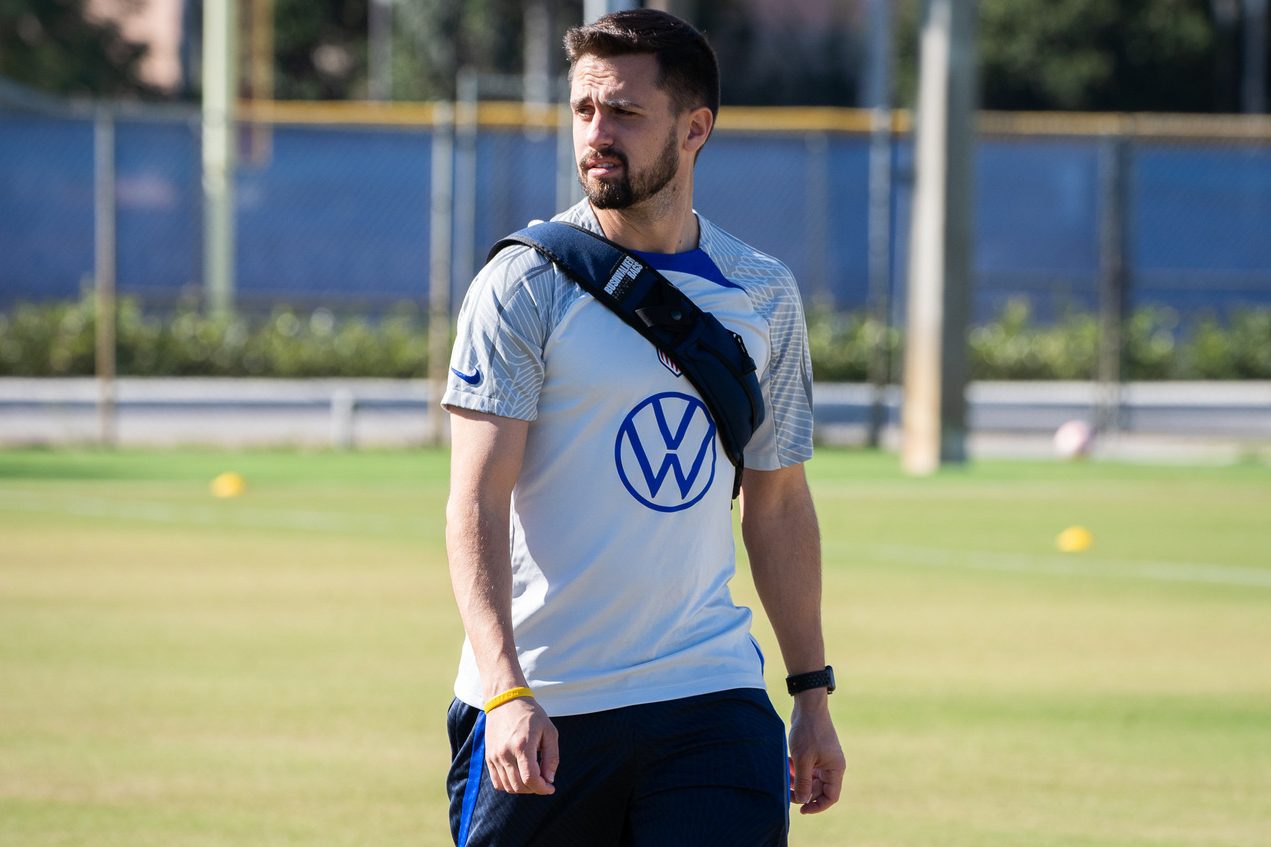
An injury as a teenager brought Tom Zabielski to a career in professional sports. “I loved seeing how clinicians worked with me during rehabilitation, and I asked if I could volunteer in the physical therapy clinic,” he says.
Initially, Zabielski thought he would train to be a physical therapist, but working with athletes showed him how rewarding it was to follow a player from their initial injury to their return to the field. He’s now an athletic trainer at the U.S. Soccer Federation, working with soccer athletes worldwide.
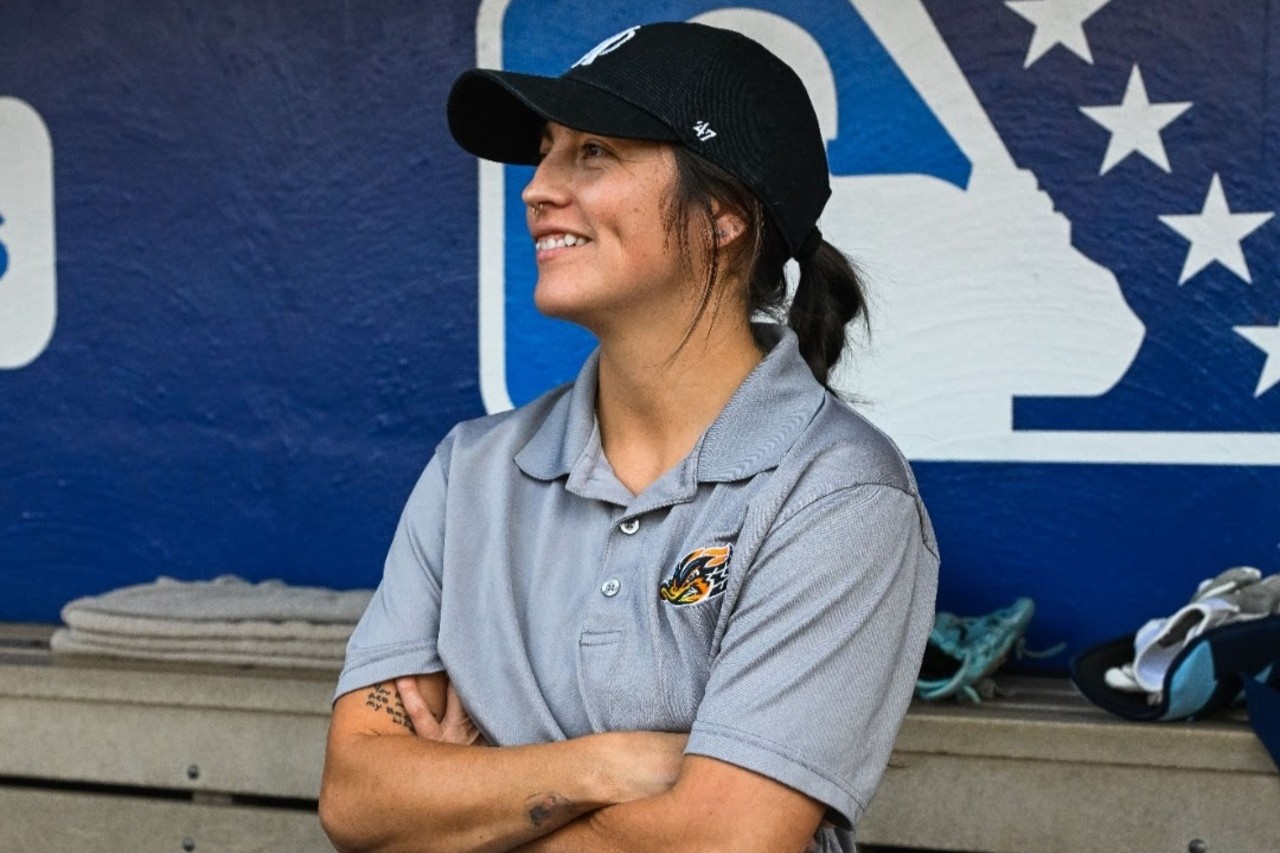
Alumna Karina Gonzalez followed a bit of a different path to her career as an athletic trainer. “I was always interested in working with athletes at a minor league level,” she says. “When I graduated, I interviewed with the Cleveland Guardians’ AA team, the Akron RubberDucks, and I’ve been here ever since.”