

Thomas Jefferson University Home Thomas Jefferson University Home
Thomas Jefferson University Home
  • Apply
  • Visit
  • Give
  • Thomas Jefferson University Home
  • Academics
    Back

    Academics

    • Academics Home
    • Program Finder
    • Areas of Interest
    • Registrar's Office
    • Online Programs
    • Continuing & Professional Studies
    • Study Away
    • Academic Calendars

    Colleges, Schools & Institutes

    • Sidney Kimmel Medical College
    • College of Architecture & The Built Environment
    • Kanbar College of Design, Engineering & Commerce
      • School of Business
      • School of Design & Engineering
    • College of Health Professions
    • College of Humanities & Sciences
    • College of Life Sciences
    • College of Nursing
    • College of Pharmacy
    • College of Population Health
    • College of Rehabilitation Sciences
    • Institute of Emerging Health Professions
    Find Your Program

    Prepare yourself for what’s yet to come.

  • Admissions
    Back

    Admissions

    • Admissions Home
    • Undergraduate Admissions
    • Graduate Admissions
    • Continuing & Professional Studies Admissions
    • Sidney Kimmel Medical College Admissions

    Admissions Quick Links

    • Request Information
    • Schedule a Visit
    • Take a Virtual Tour
    • Apply for Admission
    • Financing Your Education
    • Contact Admissions
    Apply

    Start your Jefferson journey today.

  • Tuition & Financial Aid
    Back

    Tuition & Financial Aid

    • Tuition & Financial Aid Home
    • Tuition, Fees and Room & Board (2026-27)

    Tuition & Financial Aid Quick Links

    • Financial Aid Office
    • Student Accounts Office
    Contact Us

    Expert Center City and East Falls staffs are here to help.

  • Life at Jefferson
    Back

    Life at Jefferson

    • Life at Jefferson Home
    • Center City Residential Life
    • East Falls Residential Life
    • Virtual Tours

    Life at Jefferson Quick Links

    • Explore Philadelphia
    • University Catalog & Handbooks
    • Commencement
    • Consumer Information & Disclosures
    Plan Your Visit

    Each of our locations offers a unique learning environment.

  • Research
    Back

    Research

    • Research Home
    • Labs & Service Centers
    • Research Resources
    • 2025 Research Magazine

    Research Quick Links

    • Applied Research
    • Basic Research
    • Clinical Research
  • Athletics
    Back

    Athletics

    • Athletics Home
    • Visit jeffersonrams.com
    • Athletic Facilities
    • Shop Official Store

    Athletics Quick Links

    • Health & Wellness at Jefferson
    • Jefferson Recreation & Fitness Center
  • News
    Back

    News

    • News Home

    News Quick Links

    • Design & Style
    • Science & Technology
    • Business
    • Health
    • Life at Jefferson
    • Podcasts
  • Apply
  • Visit
  • Give
  • Apply
  • Visit
  • Give

Current Students & Faculty

  • Center City Campus
    • Banner
    • Campus Store
    • Canvas
    • Commuter Services
    • Campus Life & Current Students
    • Faculty & Staff
    • JeffMail
    • Library
    • Office 365
    • Student Portal
  • East Falls Campus
    • Banner
    • Campus Store
    • Canvas
    • Faculty & Staff
    • Giving
    • JeffMail
    • Library
    • Starfish
    • Student Life & Resources
    • Student Portal
  • YouTube
  • Instagram
  • Facebook
  • Twitter
  • LinkedIn
  1. Return to Home
    • Thomas Jefferson University News
  2. Thomas Jefferson University News
  3. 2025
  4. 01

Inclusive Education, Healthier Outcomes: The Faculty-Led Program Shaping LGBTQ+ Care

Jan 23, 2025
Marilyn Perkins

Creating and evaluating the program, Sexual and Gender Minorities Education and Training for clinicians and educators.

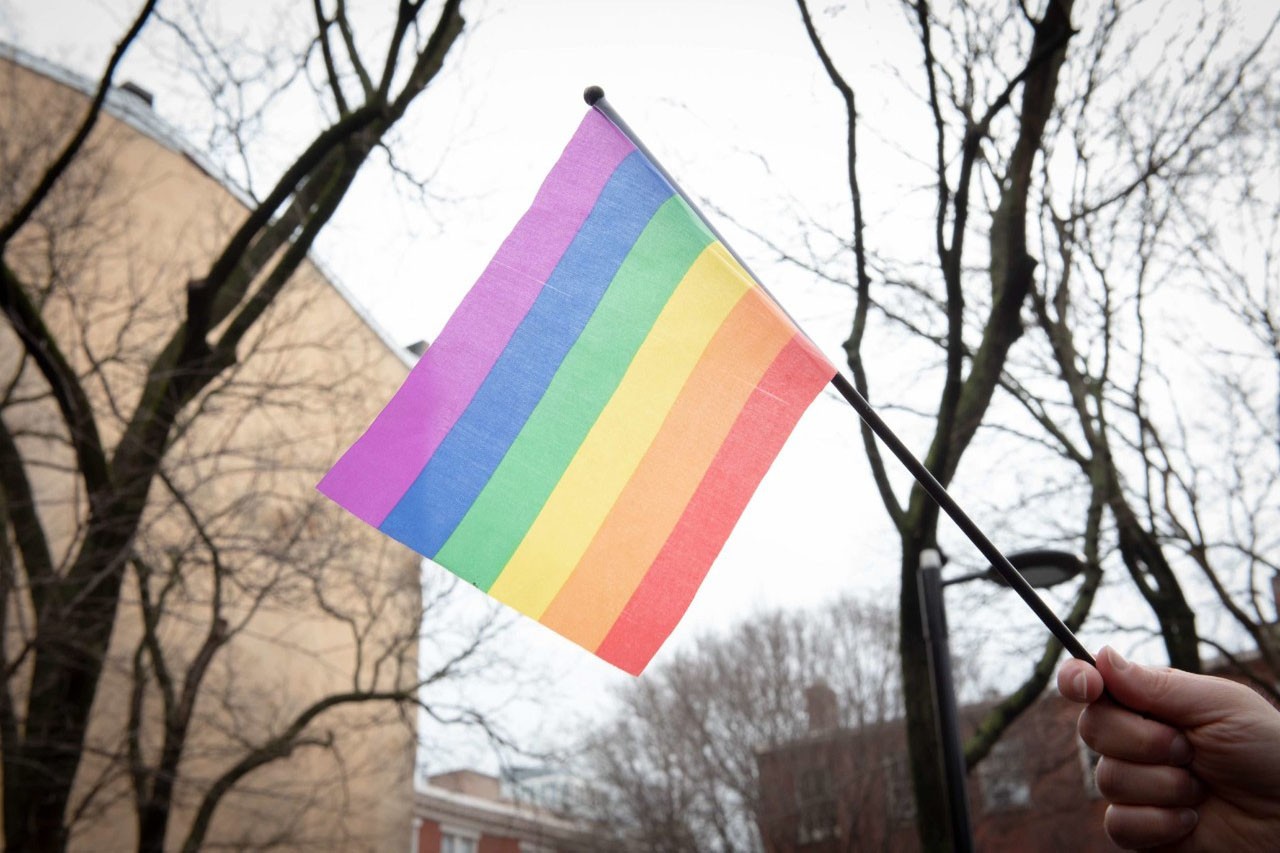
More than 7% of the U.S. population identifies as LGBTQ+. While the recent decades have seen big changes in realms like marriage rights and nondiscrimination protection, millions of LGBTQ+ Americans are still navigating systems that weren’t necessarily built with them in mind. One of those is the healthcare system. LGBTQ+ people are not only more likely to experience certain physical and mental health conditions, but they’re also more likely to report poor quality care, unfair treatment, and a lack of cultural competence from their providers.

With these disparities in mind, when two professors in the College of Rehabilitation Sciences, Audrey Zapletal, OTD, MS, OTR/L, CLA, and Karla A. Bell, PT, DPT, PhD, heard feedback from students that the department could do more to support their LGBTQ+ students, they thought about what they could do to make a change at Jefferson and beyond. That spurred them to start Sexual and Gender Minorities Education and Training (SGMET), a program that aims to help faculty, staff, clinicians and administrators enhance their knowledge, awareness and skills to break down the gender and sexuality disparities in education and healthcare. Here, Dr. Zapletal and Dr. Bell talk about why it’s essential to tailor education and clinical care to the LGBTQ+ population and reveal the positive changes they’ve seen from their program.

How would you describe your work to the person riding the elevator with you?

Sexual and Gender Minorities Education and Training (SGMET) is an educational research project that uses education and training to help employees be more inclusive to LGBTQ+ communities. Our ultimate goal is to improve patient care, the student experience and the workplace environment.

What’s one question you’re exploring currently?

We’re curious if participating in a best-practice, pedagogy-based, long-term professional development program will help make teaching and clinical care practices more inclusive towards LGBTQ+ populations. We’re exploring what information and learning strategies are best to train faculty, clinicians and staff to be more sensitive and inclusive.
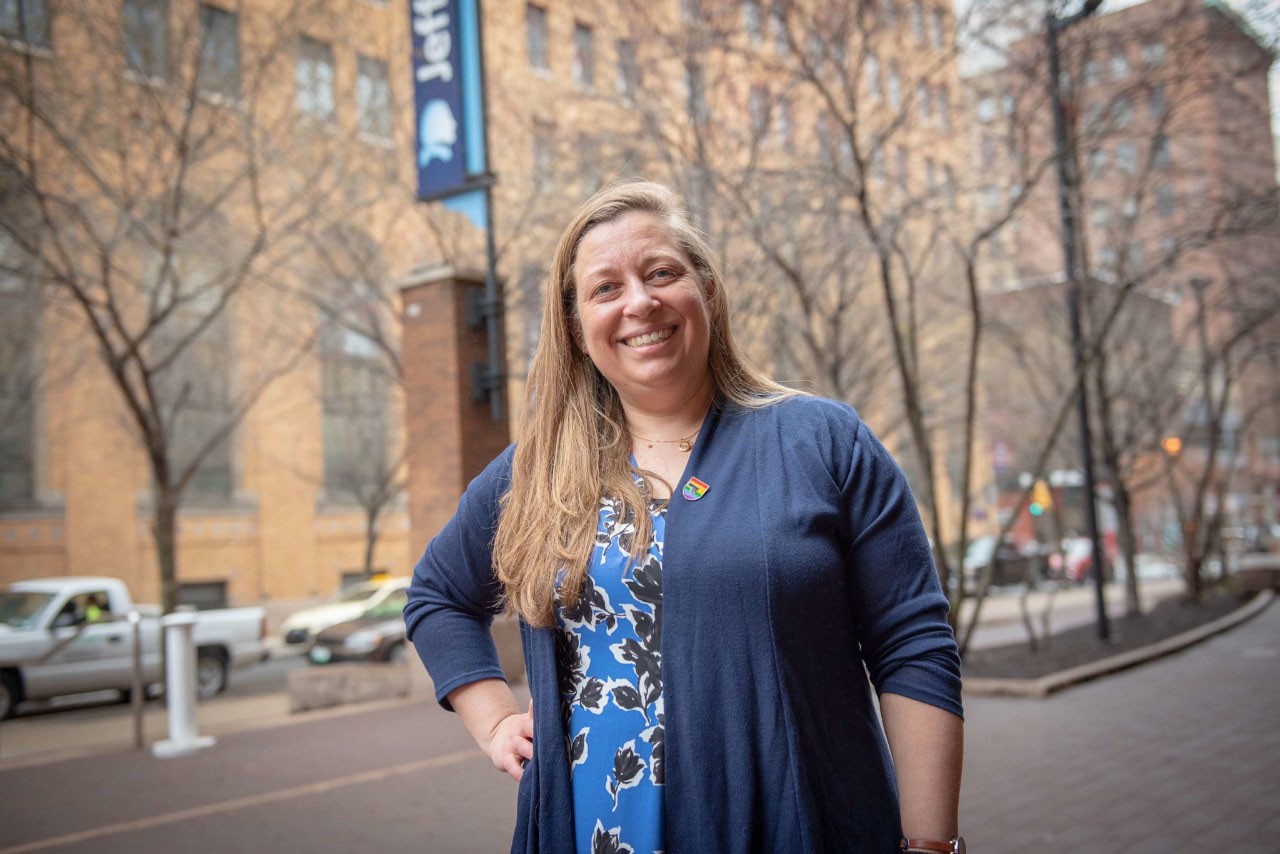
Audrey Zapletal

Why is it important to make education and clinical care more inclusive for LGBTQ+ populations?

Most people don’t realize the incredible disparities that exist for LGBTQ+ populations. One disturbing trend in the last five years estimates that more than 1.8 million LGBTQ+ young people seriously consider suicide every year in the U.S., and, according to the Trevor Project, at least one attempts suicide every 45 seconds. This statistic, unfortunately, has only gotten worse given mistreatment and stigmatization by society. This is just one reason that professional development programs for raising awareness, knowledge and skills about LGBTQ+ populations are so critical. Higher education and healthcare professionals have a responsibility to help make positive impacts on people’s lives, and we can do that at the individual level — one faculty member at a time and one healthcare professional at a time.

What are the problems with LGBTQ+ care and education that you hope to solve?

Many faculty, students, staff, clinicians, administrators and professionals lack the knowledge, awareness, and skills for working with and teaching about LGBTQ+ populations. For example, the topic of LGBTQ+ care was never discussed when most medical and health practitioners went to school. There’s evidence that maybe 1–4 hours were provided in lectures in some programs; others offered nothing. Because practitioners never learned strategies to support this vulnerable population, providers to LGBTQ+ patients often lack the sensitivity to build trust. Additionally, higher education professionals lack the knowledge and resources to promote LGBTQ+ students’ leadership, growth potential, student experience and success in achieving graduation.

What are you doing to make education more inclusive for LGBTQ+ people?

Our program provides solutions to the barriers in patient care; student retention and performance; and clinical teaching/didactic content. This program provides specialized instruction and skill development so participants can incorporate teaching practices and health care delivery practices that improve the lives and experiences of LGBTQ+ students, patients, and colleagues. Additionally, the professional development program introduces a structural competency approach to the understanding of health equity. This means that our learners leave the program understanding the societal influences that explain the negative day-to-day experiences of LGBTQ+ individuals.  By doing this, we also address some shortcomings in healthcare in terms of how we view health and the symptoms, conditions and diseases we treat.

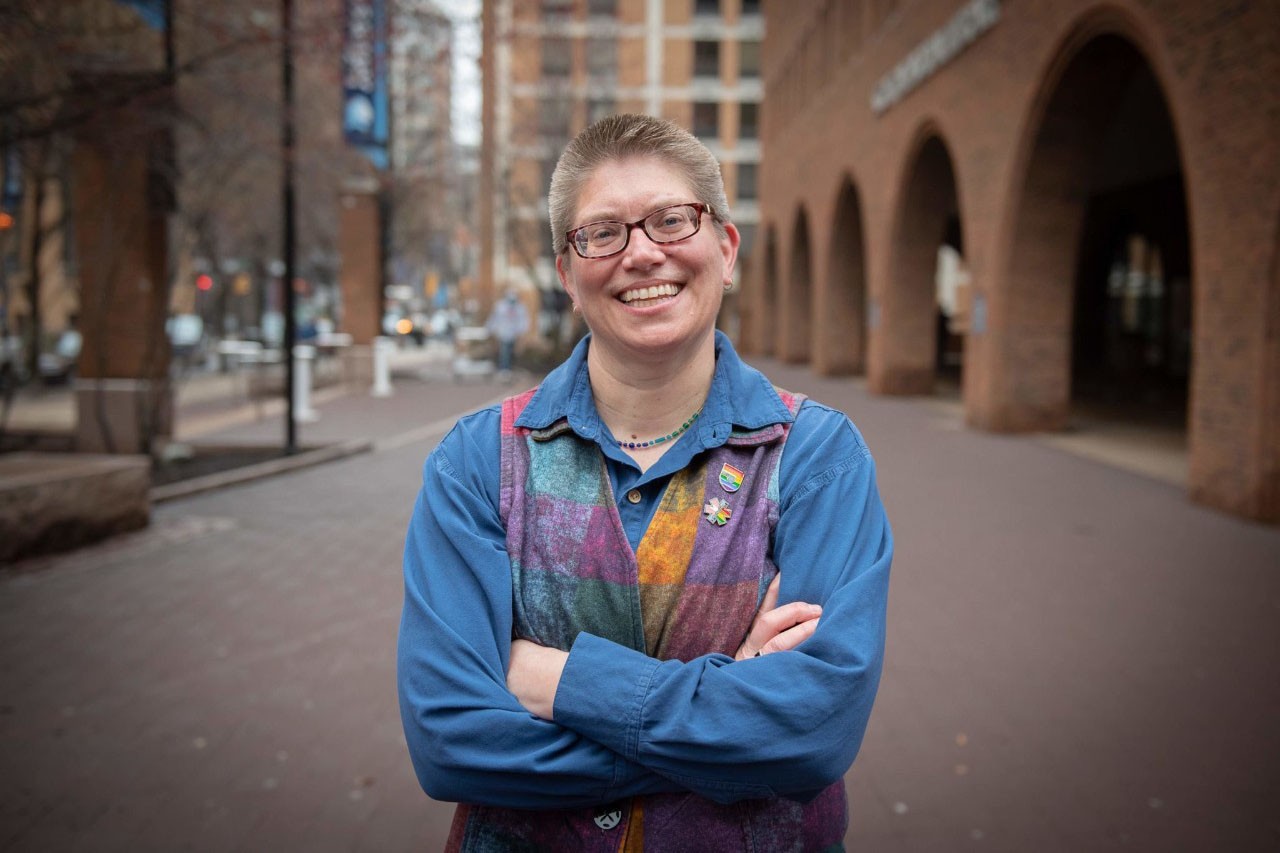
Karla Bell

What spurred you to start SGMET?

Occupational Therapy students brought their concern of “not seeing” themselves or their friends and family in our curriculum. As a result, we provided more training by adding LGBTQ+ information and an opportunity to practice their skills with a trained transgender actor playing a patient. During the simulation experience, we recognized some faculty and staff lacked the knowledge and awareness to be inclusive. This was part of the impetus to develop SG-MET. As healthcare providers ourselves, we’re also very aware that clinical practice isn’t always culturally responsive for these populations. Jefferson provides an optimal environment for linking educational and clinical practice professional development in this area. This culminated in SGMET being specifically designed for both clinicians and educators. The program has expanded to include participants nationally and those from non-health professions, such as fashion and business, because similar gaps apply across disciplines.

What is the best memory you have from SGMET?

One experience that strikes us is the discovery, new learning and empathy we see from participants during the William Way LGBT Community Center (WWC) tour and panel discussion hosted by the Mazzoni Center for Health and Well-Being. Participants virtually explore the WWC and learn about LGBTQ+ history and people’s experiences. The Mazzoni Center hosts a panel with diverse LGBTQ+ panelists to discuss their own experience as students and patients. Participants say they leave with a better understanding of intersectionality theory and the lived experience of the LGBTQ+ community, and others appreciated learning how to create more inclusive classrooms. Additionally, others seem to gain a better understanding of how concepts such as sexual orientation, gender identity and sex assigned at birth relate to patient care.

What are you both passionate about outside of your research?

Zapletal: My family is a top priority, and I make it a point to ensure my kids and spouse feel heard, supported and are happy and healthy. These values—feeling supported, being healthy, and feeling safe—are essential for everyone to thrive and find balance in their lives, allowing them to contribute meaningfully to society. I aim to reflect these values in my work with various populations and communities, both within and beyond Jefferson.

Bell: I, too, am equally passionate about my family and working toward helping create the society that we should all be able to have and be a part of. One aspect of that is addressing the structural and political determinants of health and how public policies enacted shape our environments and health daily. I’m passionate about raising awareness about those things.

Share This


Categories

  • Science and Technology
Explore More Jefferson News
Thomas Jefferson University Home
  • Apply
  • Visit
  • Give
  • Facebook
  • Twitter
  • YouTube
  • Instagram
  • LinkedIn
  • Jefferson Health
  • Innovation
  • Philanthropy
  • Contact Admissions
  • Privacy Policy
  • Consumer Information

Jefferson holds itself accountable, at every level of the organization, to nurture an environment of inclusion and respect, by valuing the uniqueness of every individual, celebrating and reflecting the rich diversity of its communities, and taking meaningful action to cultivate an environment of fairness, belonging & opportunity.