
Schizophrenia affects 1 in 300 people worldwide, and individuals with the mental health condition can struggle with symptoms such as hallucinations, delusions and disorganized thinking. One of the most complicated and difficult to treat mental illnesses, schizophrenia can also carry a heavy stigma. People with schizophrenia can feel judged and shunned by popular media, their culture, their family and even their own healthcare providers; research shows that mental health providers stigmatize schizophrenia more than any other mental illness.
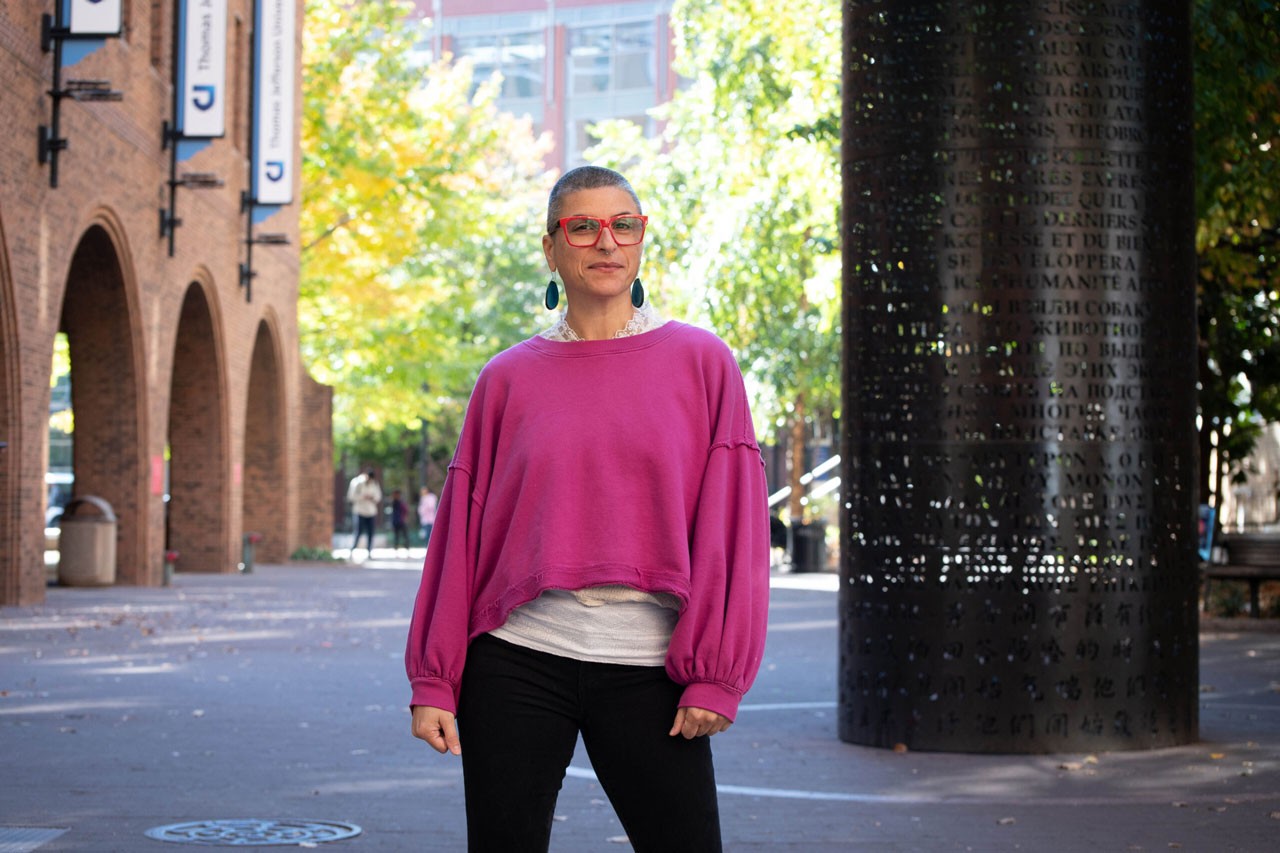
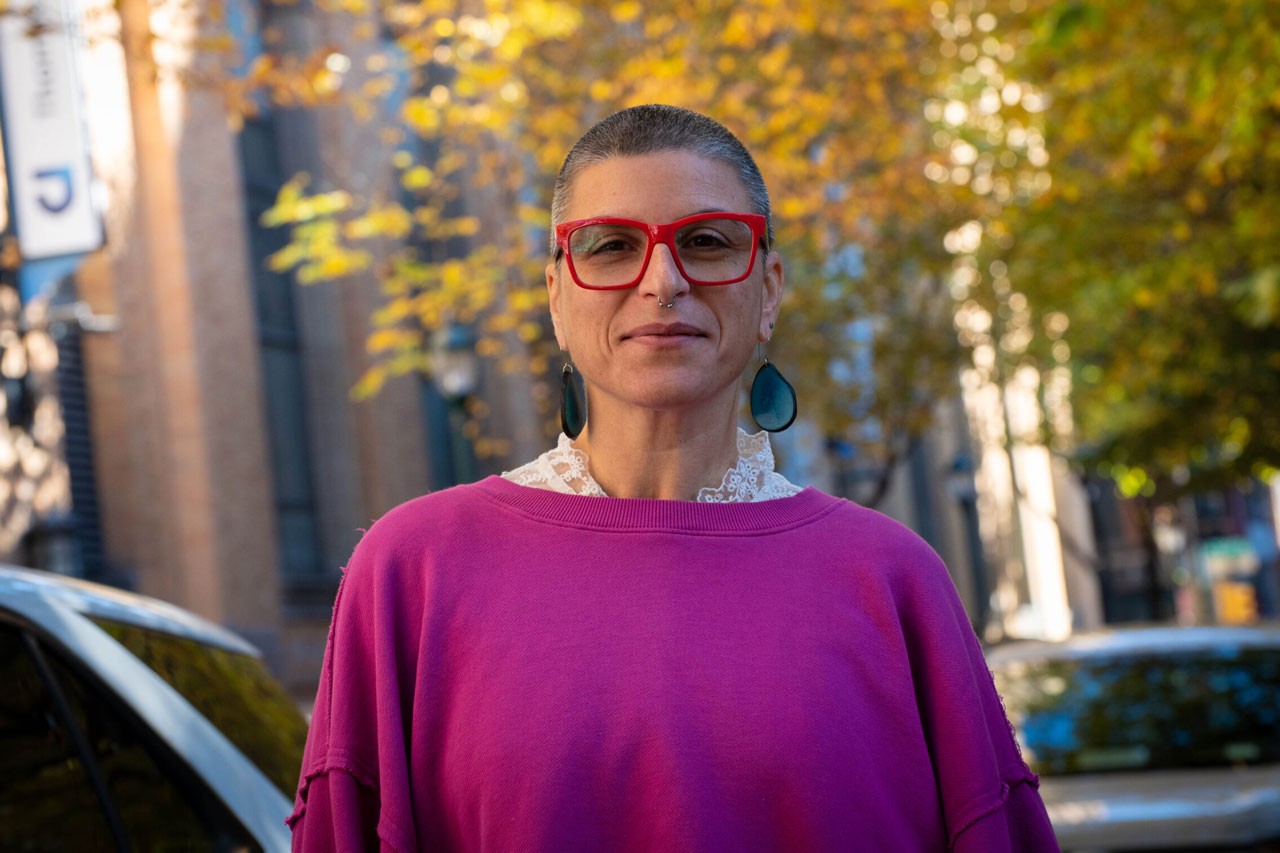
Physicians and researchers are working to break down the stigma around schizophrenia and find better ways to treat the condition. Jacelyn Biondo, PhD, MPH, an assistant professor in the Department of Health Science and Clinical Practice is one of the people leading that charge, and she’s incorporating the unconventional method of dance therapy to do so. In this conversation, Dr. Biondo shares her deeply personal experiences working with people with schizophrenia and how she thinks the field of schizophrenia treatment needs to evolve.
How would you describe your research to the person riding the elevator with you?
My research is rooted in establishing a sense of community, belonging and intimacy for individuals with schizophrenia. Society is quick to discard people due to stigmatization, fear or simply not understanding. My work also often incorporates embodiment through dance therapy and aims to provide equitable, justice-driven collaborative research that fosters a rehumanization process. We all deserve to be seen, heard and respected.
What problem does your research try to solve?
I hope that my research not only brings awareness to and amplifies voices of individuals with schizophrenia, but also that it opens pathways for more inclusion and justice for people with schizophrenia. My research is a direct avenue for my advocacy work. I want to dispel the misconceptions about illness. I also deeply understand the power of the body and how dance and movement inform our processes.
What first sparked your interest in dance therapy?
For over a decade, I was a dance therapist at an inpatient psychiatric hospital on a unit where adults were involuntarily committed. I remember it as if it was yesterday. I held the door open for my patients to enter, as I always did. One woman seemed to float past me, openly dialoguing with the voices in her head, gesticulating wildly, not noticing me as she entered. We engaged in a group dance therapy session, and at the end of our session I asked if there was anything anyone wanted to share about our time together. This woman looked me directly in the eyes and said with great clarity, “This is the first time in as long as I can remember that I feel like my brain can breathe…thank you for that.” That night I went home and began looking at PhD programs because I knew I had to become a researcher to understand precisely how and why she had that experience. I also knew that this was a widely under-researched population and wanted to provide opportunities to learn from and with people with schizophrenia in research as I had in practice.
Why do you believe dance therapy is so powerful? Are you working on any new dance therapy projects now?
I think dance therapy is magical (but also deeply rooted in scientific theory). I want my research to help people with schizophrenia have a more reciprocal and intimate relationship with their body, so they can extend that to relationships with others as well. I’m currently collaborating with two researchers in psychology and neuroscience to bring more attention to the body and movement as they pertain to conceptualizing, diagnosing and treating individuals with schizophrenia. We’re in the beginning phases of planning our research, but I’m excited to have a team to move this research forward.