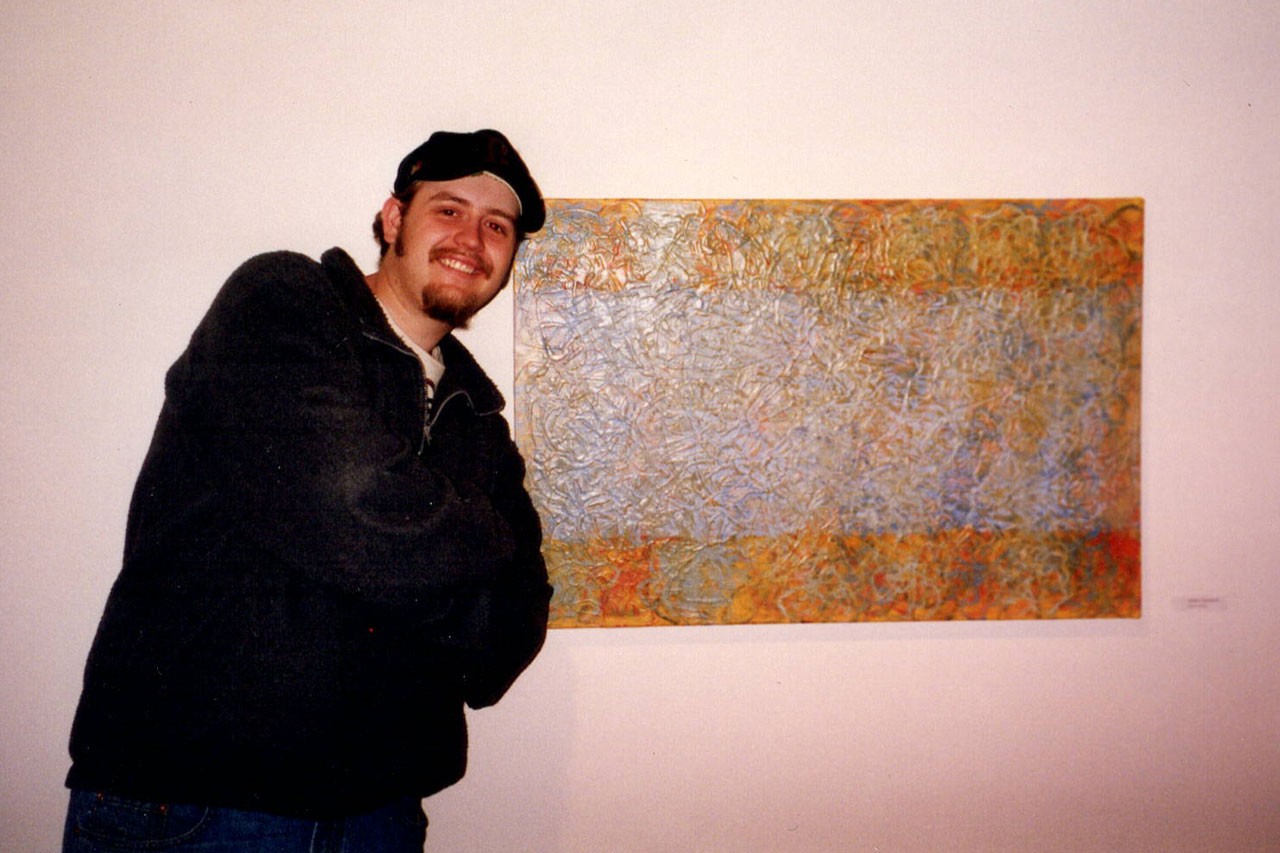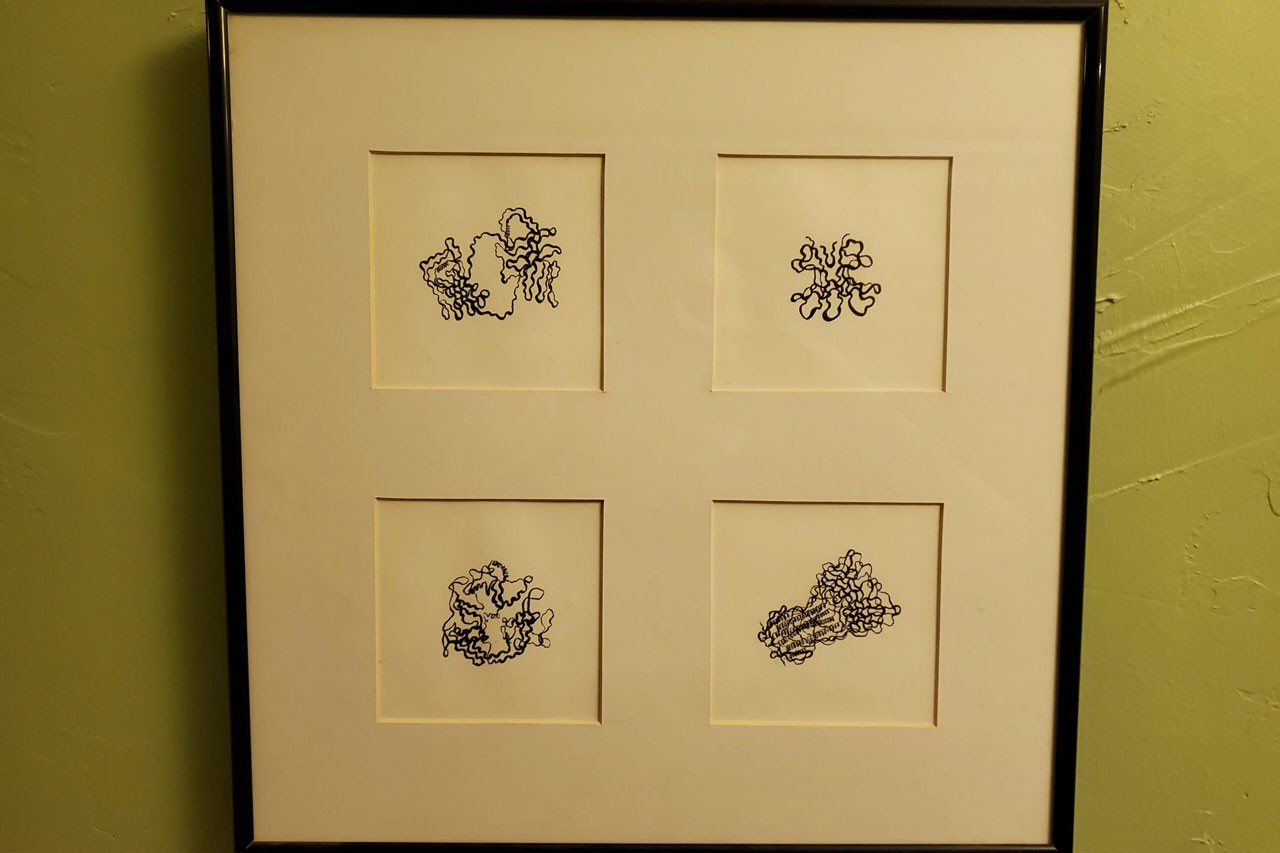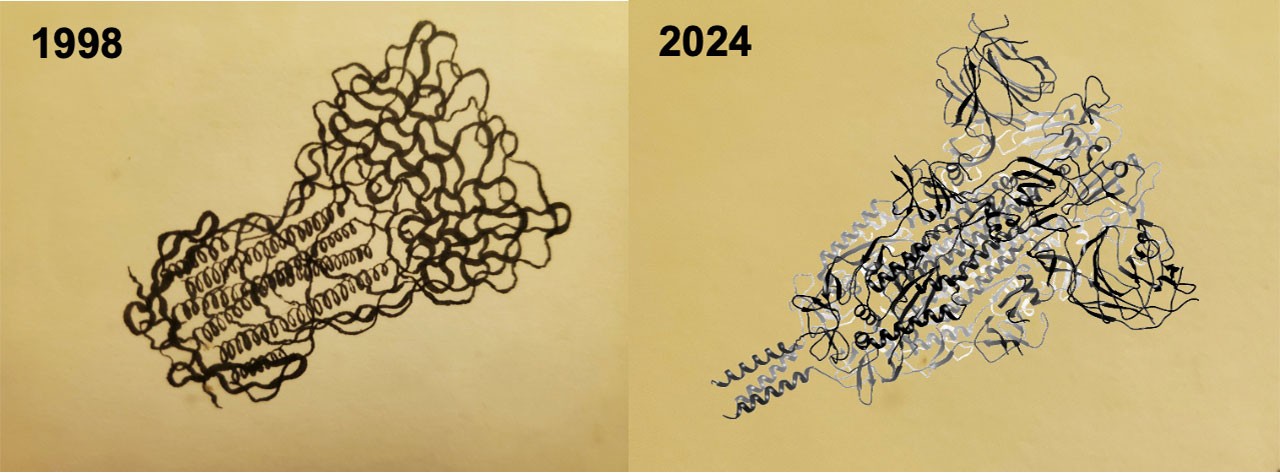


In 1998, a curious undergraduate chemist, Roger Armen, scribbled away for hours in his sketchbook to understand protein structures of viruses.
“The 1919 influenza outbreak was memorable for our family, as my great grandfather became a doctor that year. Though I never asked him about his experience, I was curious about the virus, its impact and how to stop it. Understanding protein structures was the key to answering those questions,” says Dr. Armen, who is a now an assistant professor of pharmaceutical sciences in the college of pharmacy at Thomas Jefferson University.
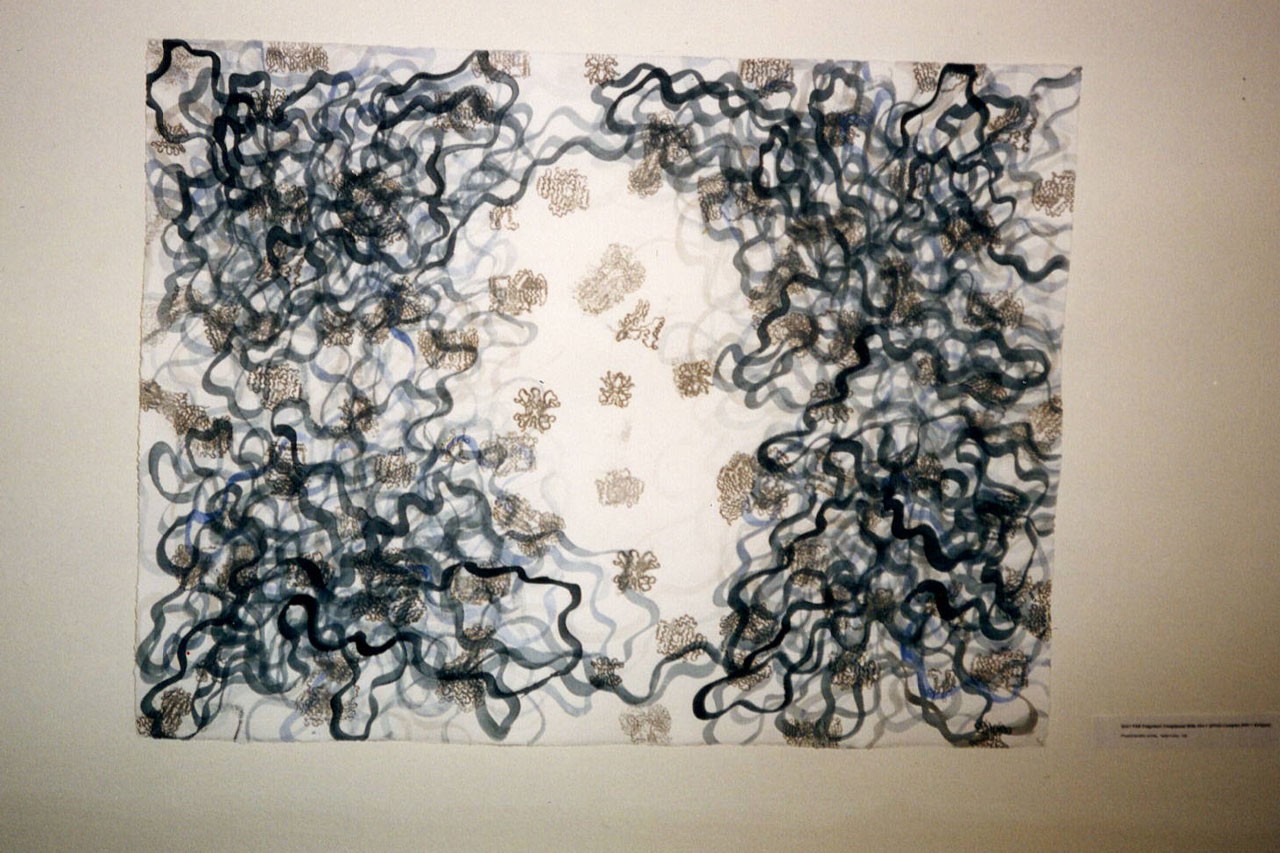
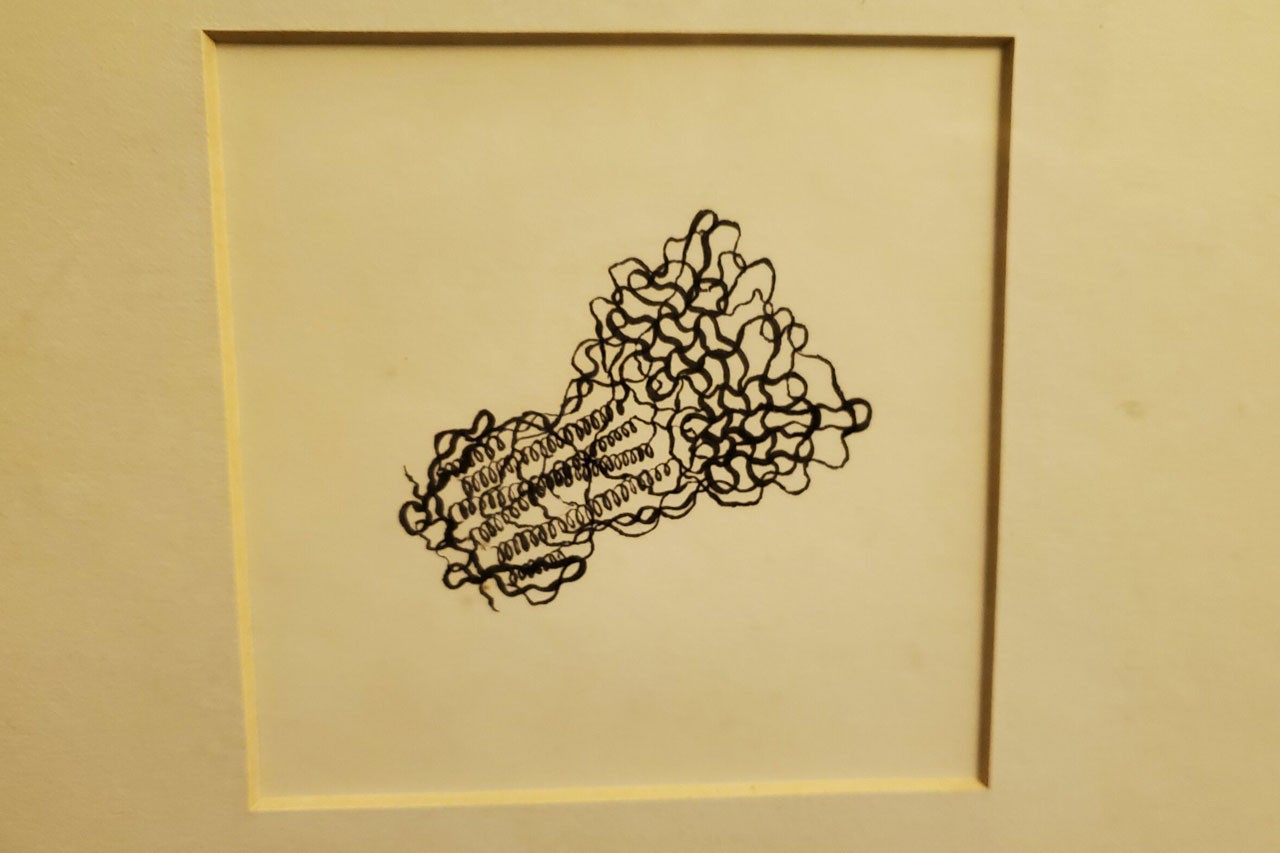
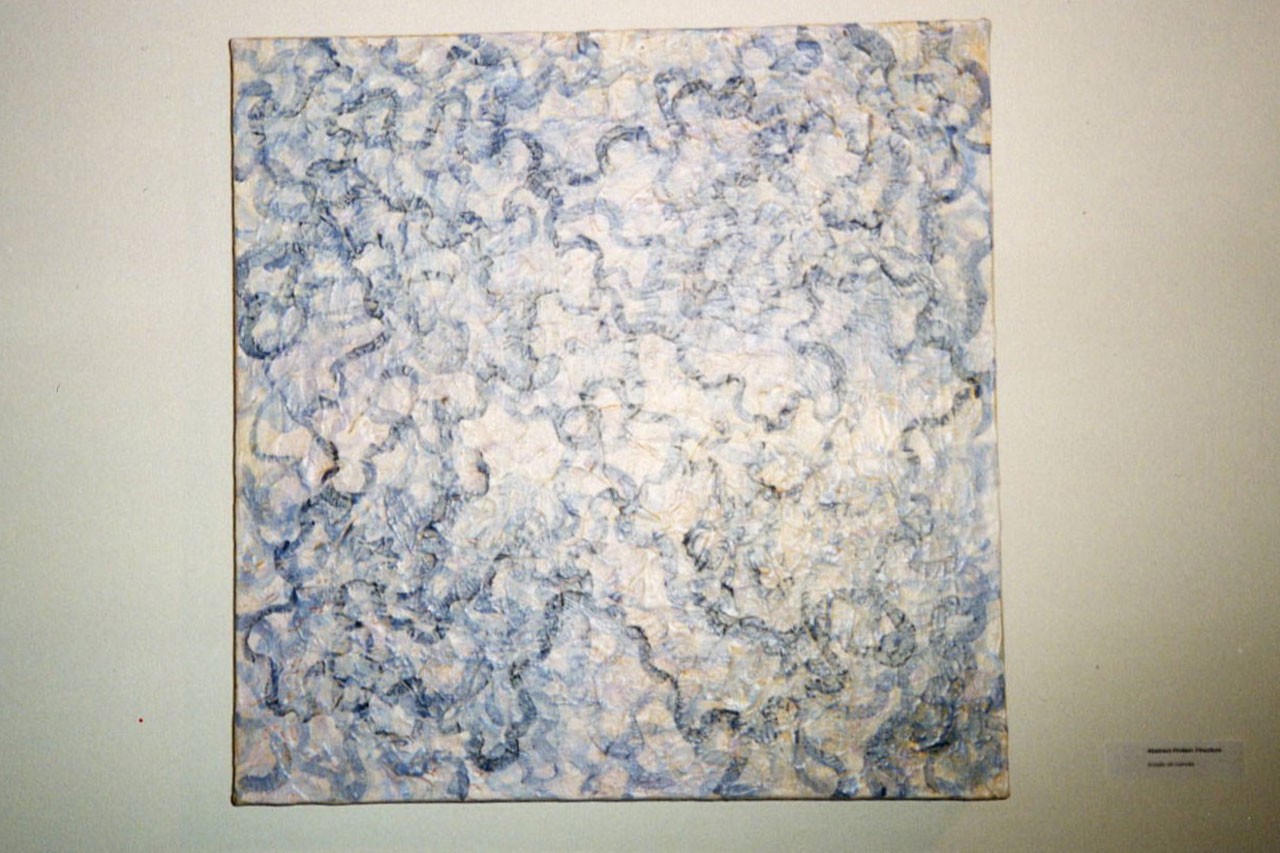
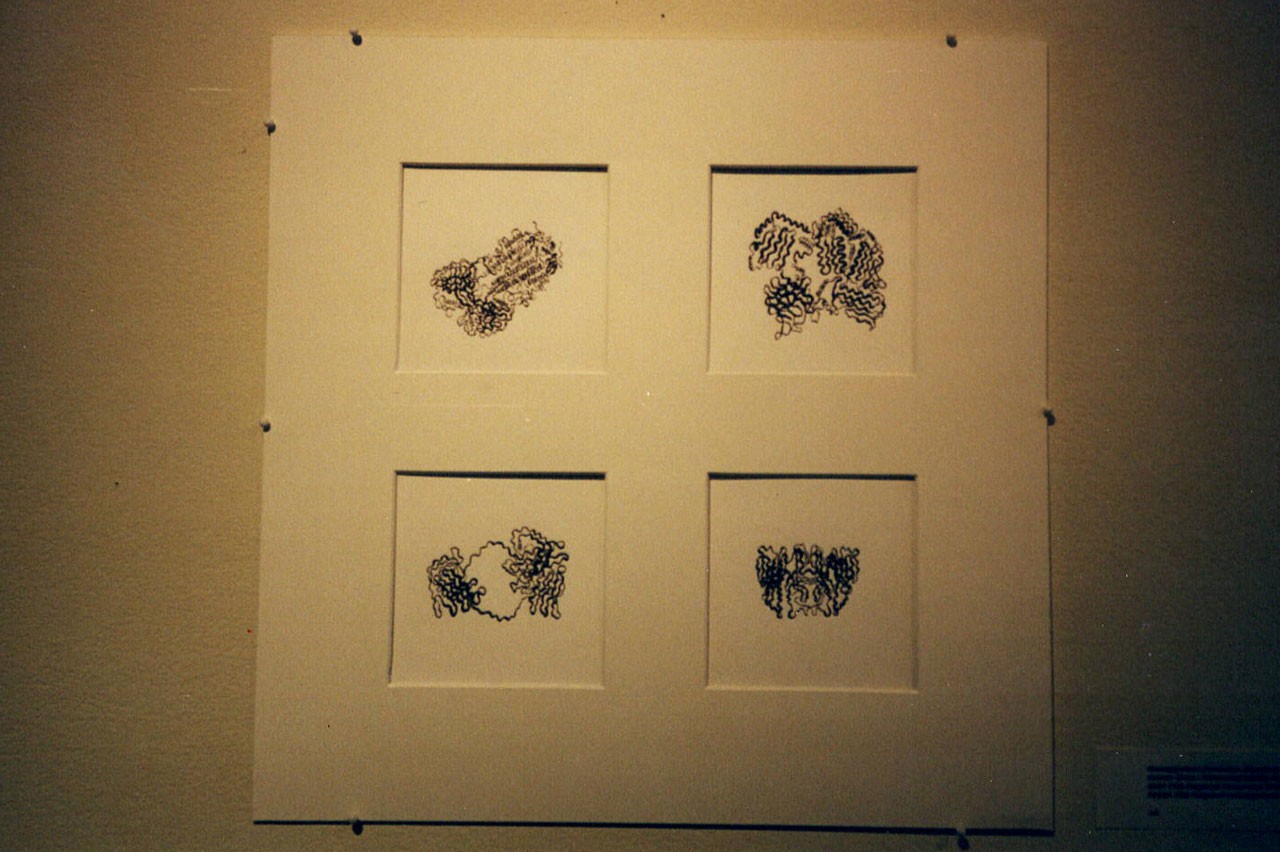
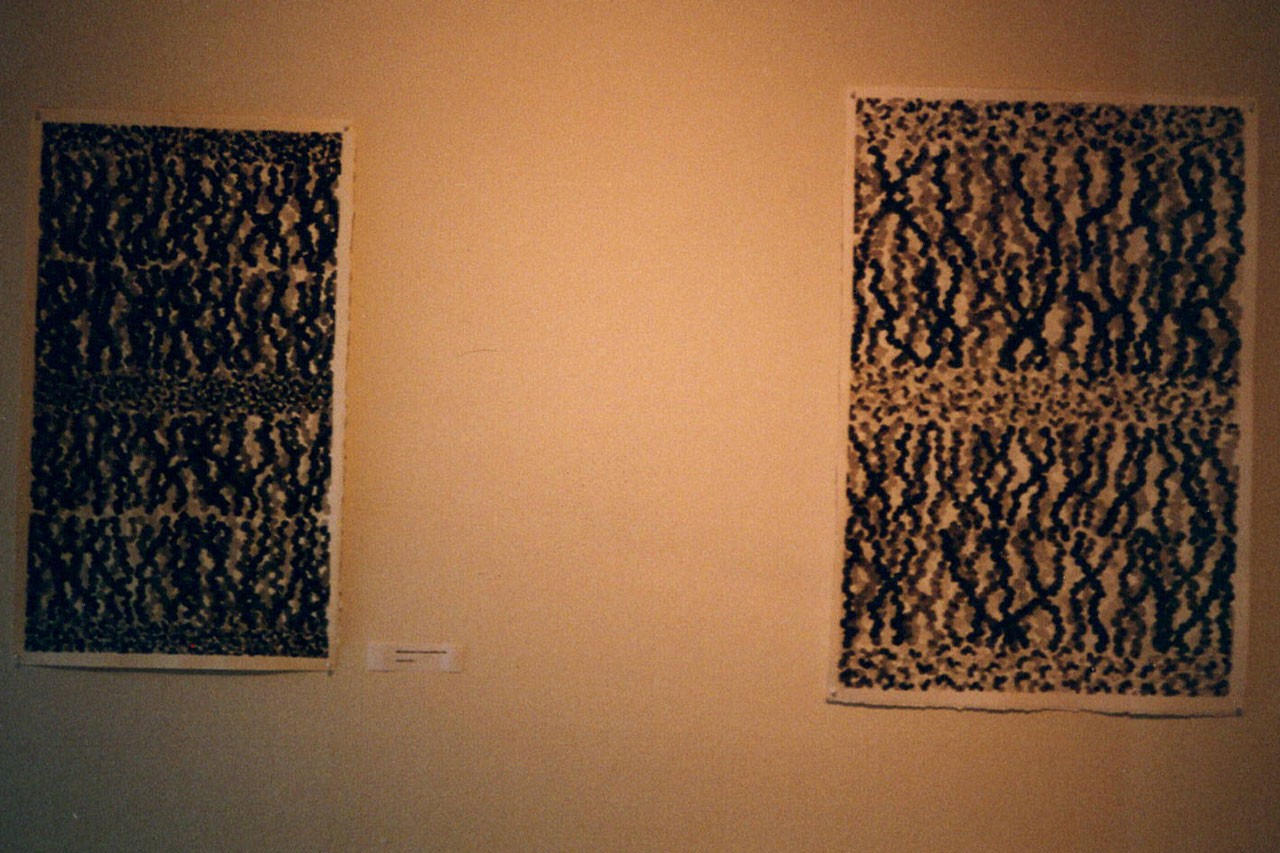
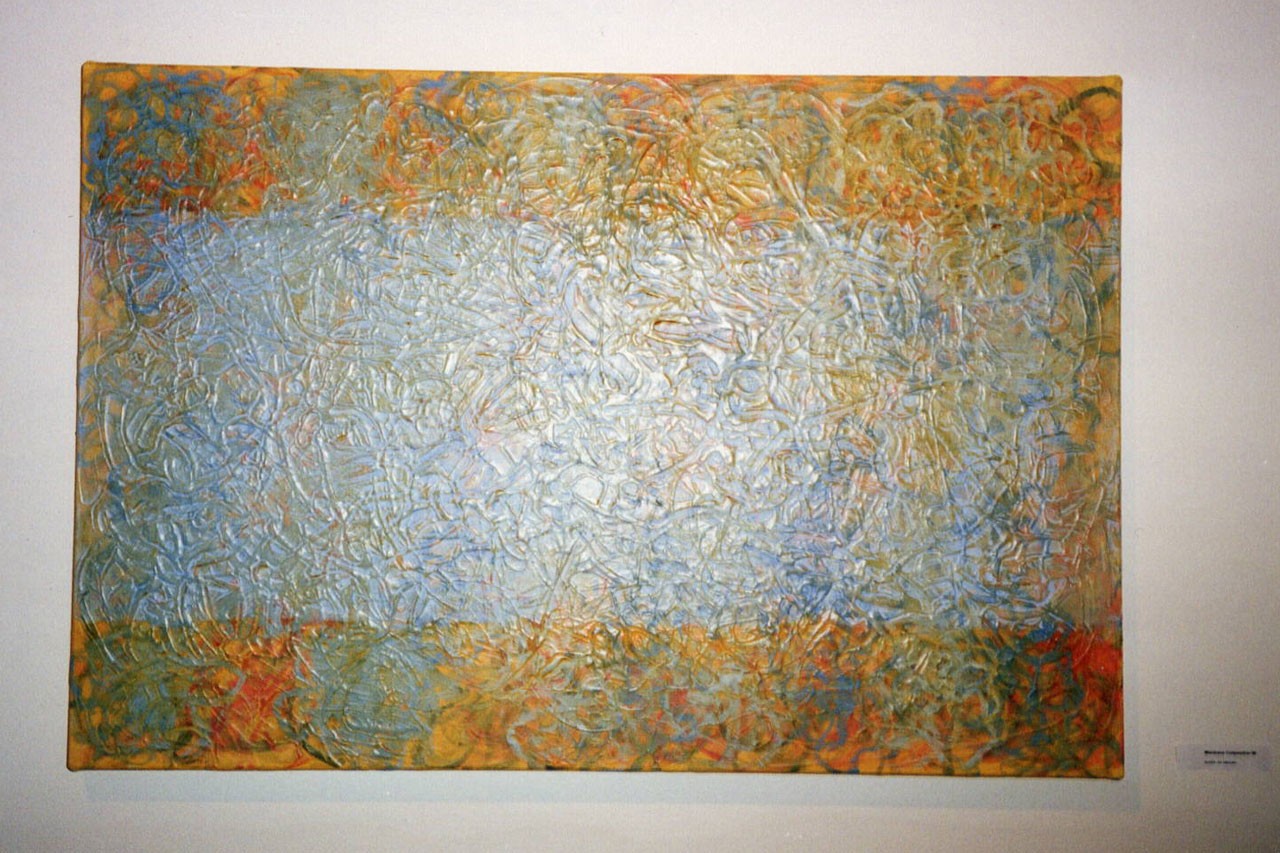
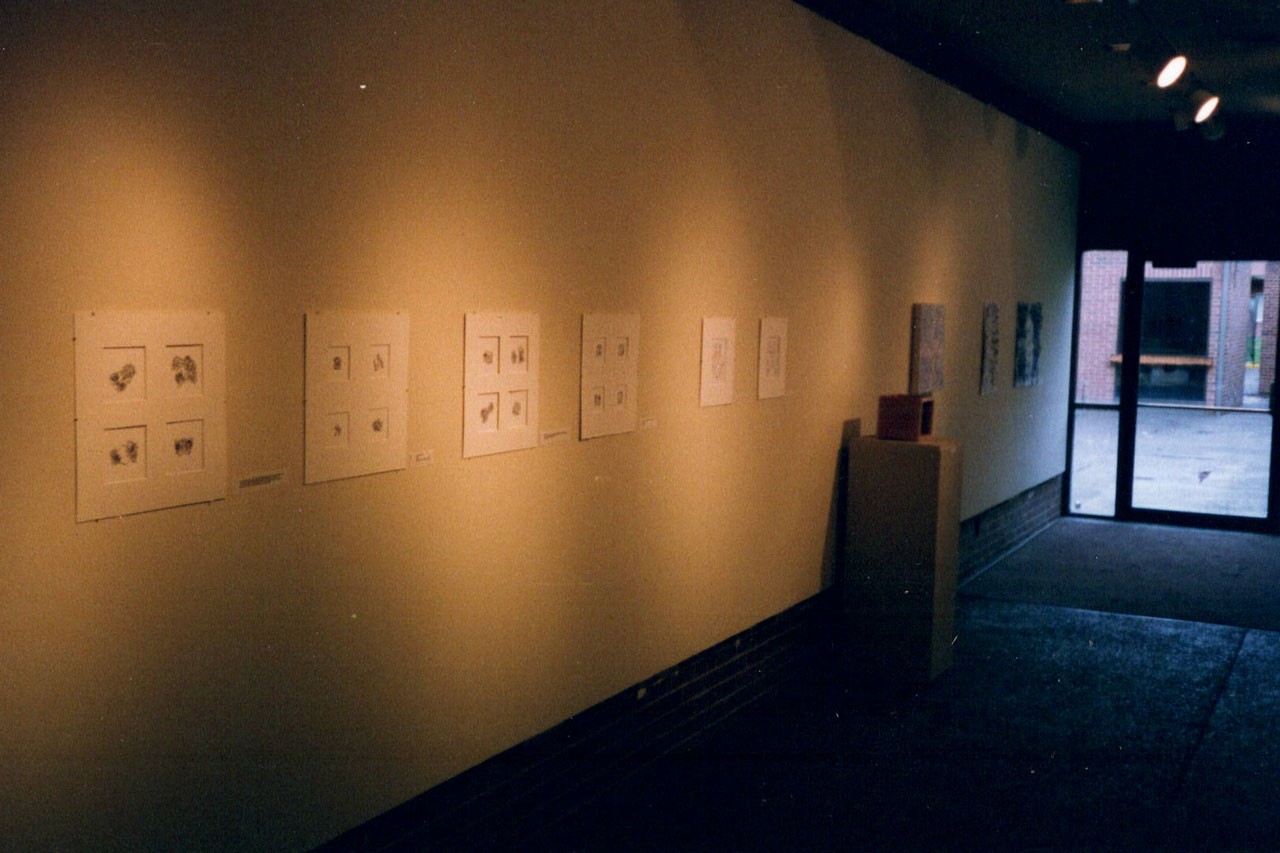
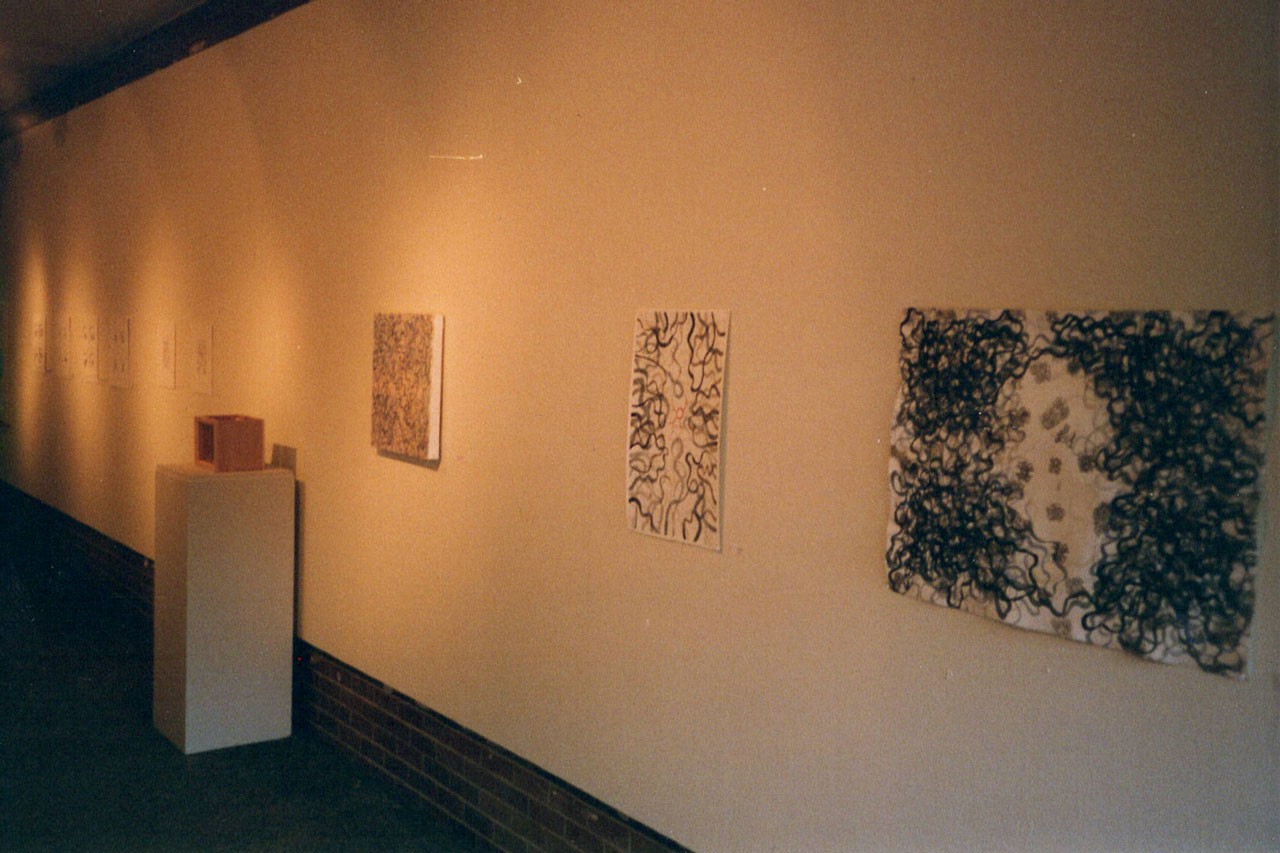
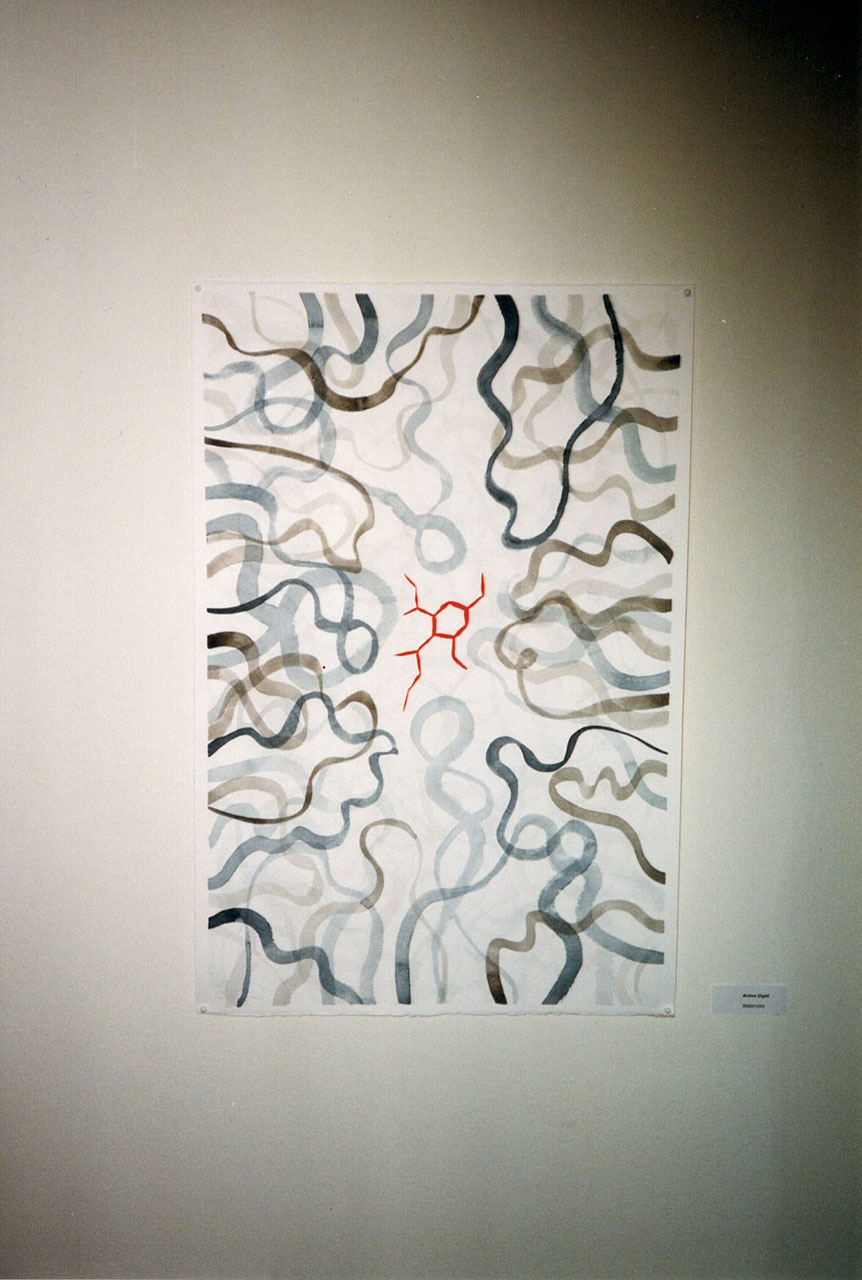
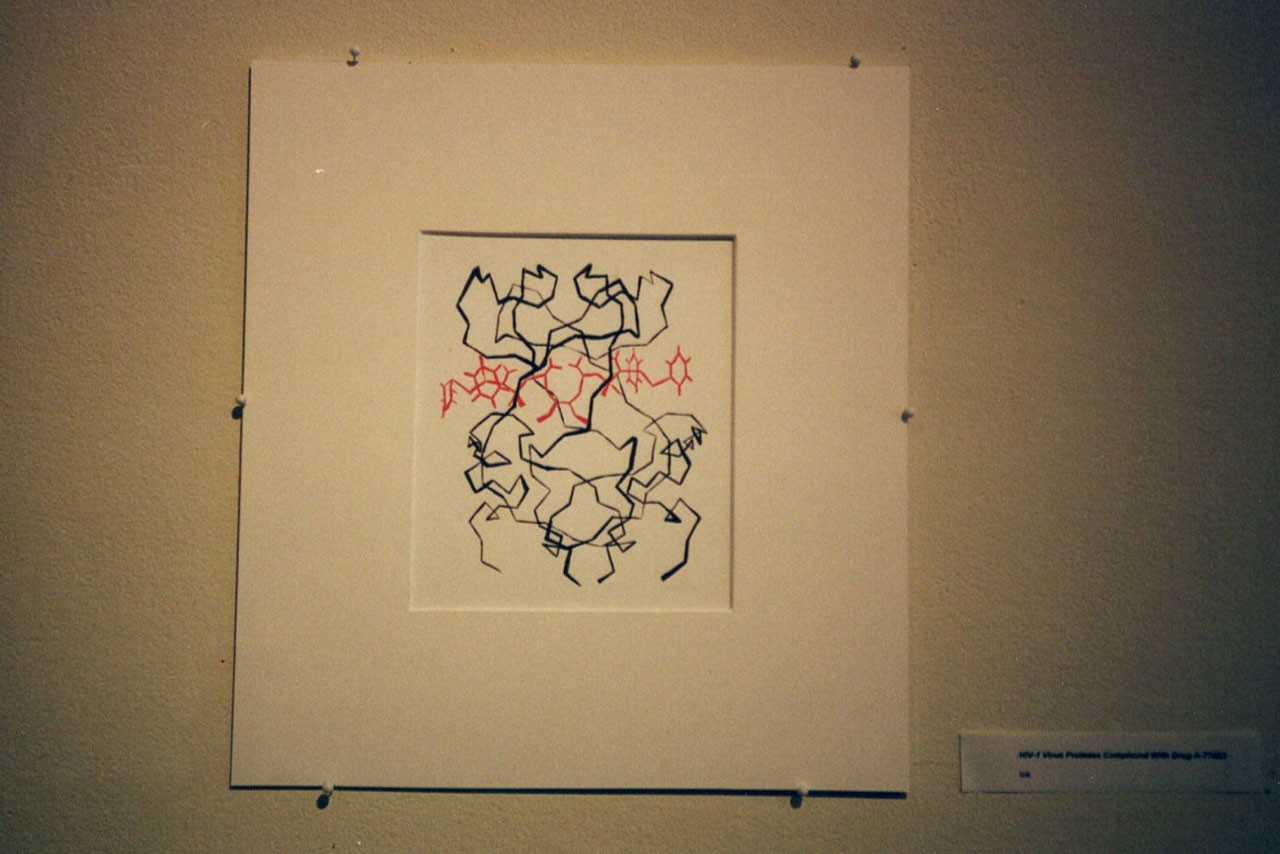
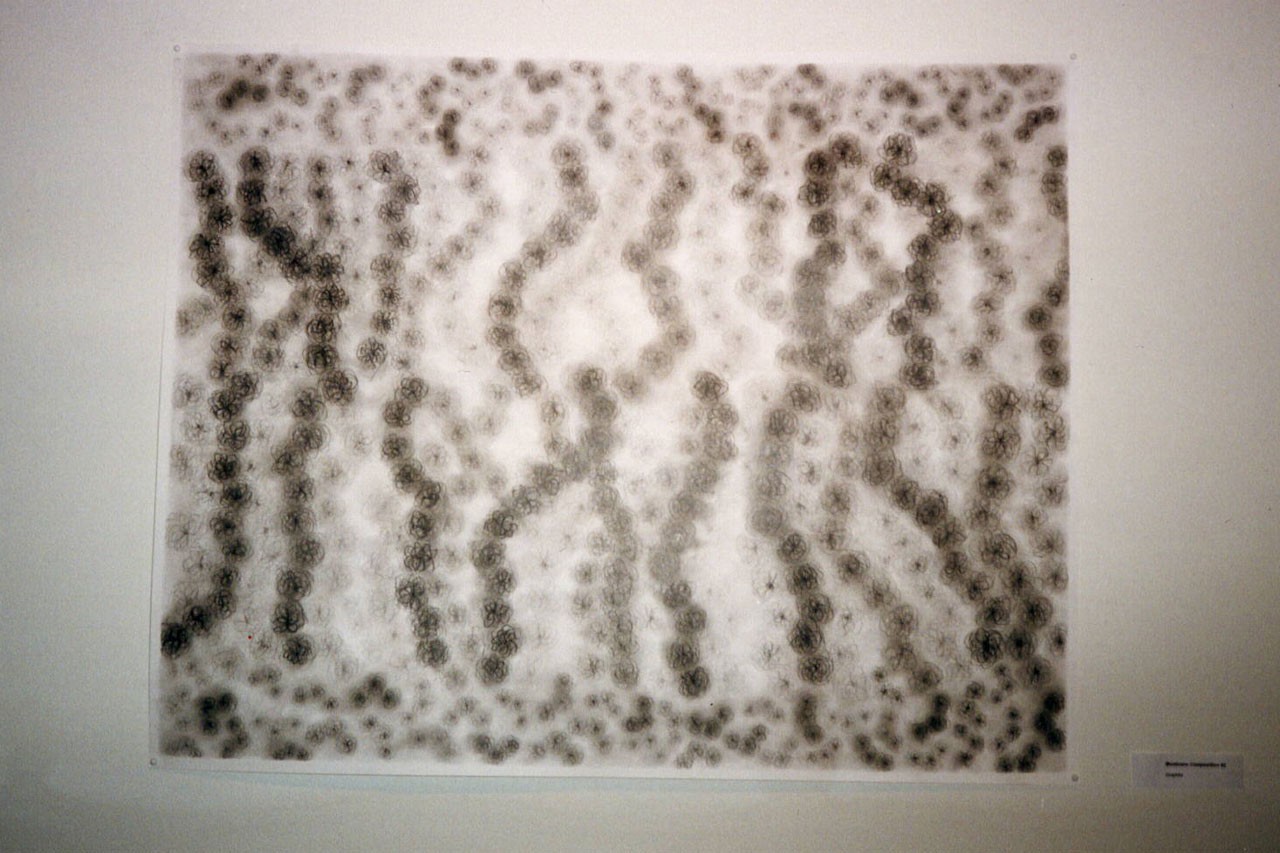
As he perfected the structures, eraser shavings and discarded drawings decorated his room. Scribbles in graphite slowly became smooth brush strokes in ink, acrylic paint and watercolor. Like scientific calligraphy, his ink drawings were becoming works of art. He’d spend hours drawing the same protein structure over and over. Lines, curves, loops and squiggles magically made the structures dance across the page. With every iteration, the abstract drawings were becoming an intriguing collision of art and science.
“I thought to myself, with all of the different proteins and protein structures, I’m never going to be bored for the rest of my life,” says Dr. Armen. He continued drawing viral protein structures, such as Influenza and HIV, outside of his biochemistry classes in an independent study studio art course. Sometimes, he’d draw a structure 30 times from the same angle. If he didn’t like it, he would try another angle. He would free flow brush strokes to abstractly map the unique folds, loops, coils and overall fluidity of protein structure.