
In 1990, rabies surged in the red fox population in East Germany, following the fall of the Berlin Wall. Rabid foxes roamed the countryside as well as the city. Reports said that at least 10 people had been bitten, putting them at risk. Researchers restarted the large-scale rabies oral vaccine program to slow the spread. The vaccine was air-dropped throughout the countryside and hand-placed near fox dens in morsels of fox food, like chicken heads.
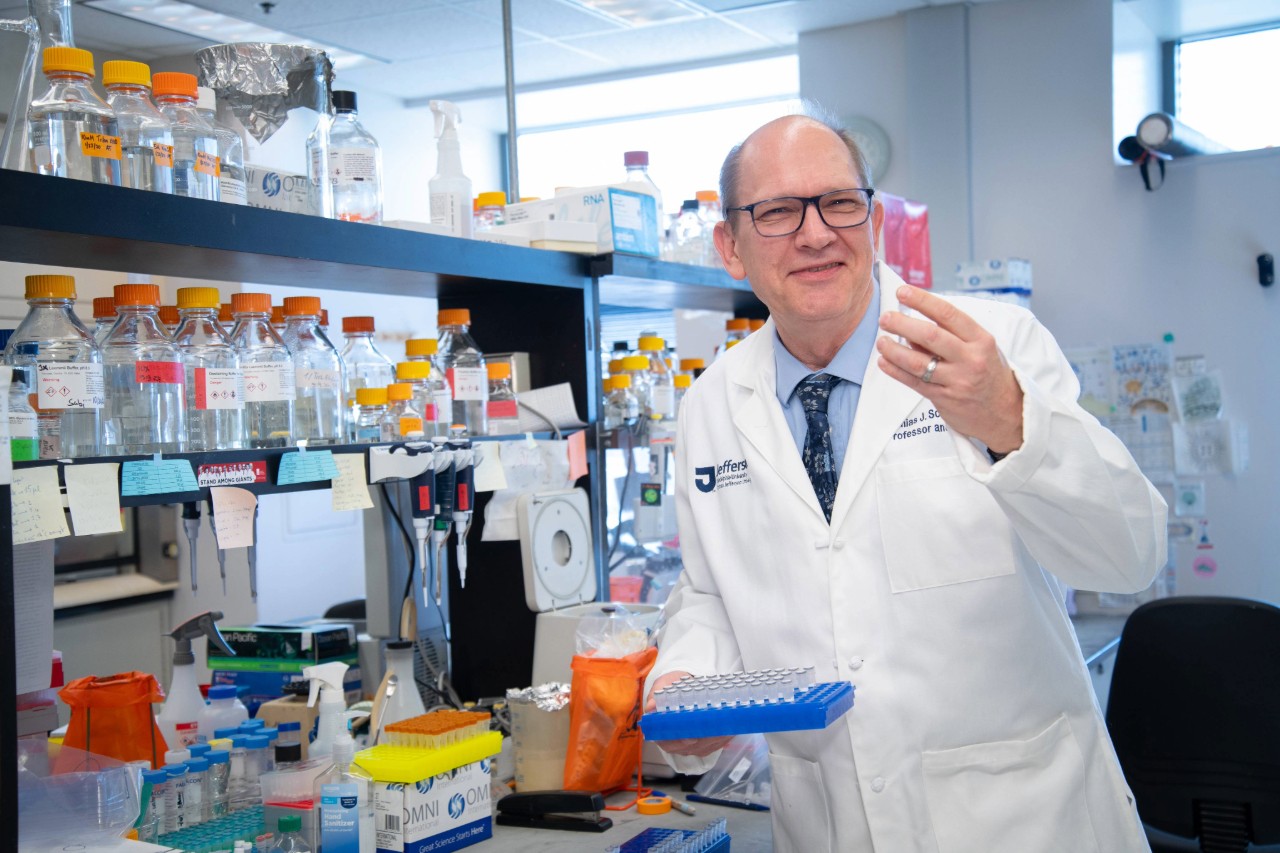
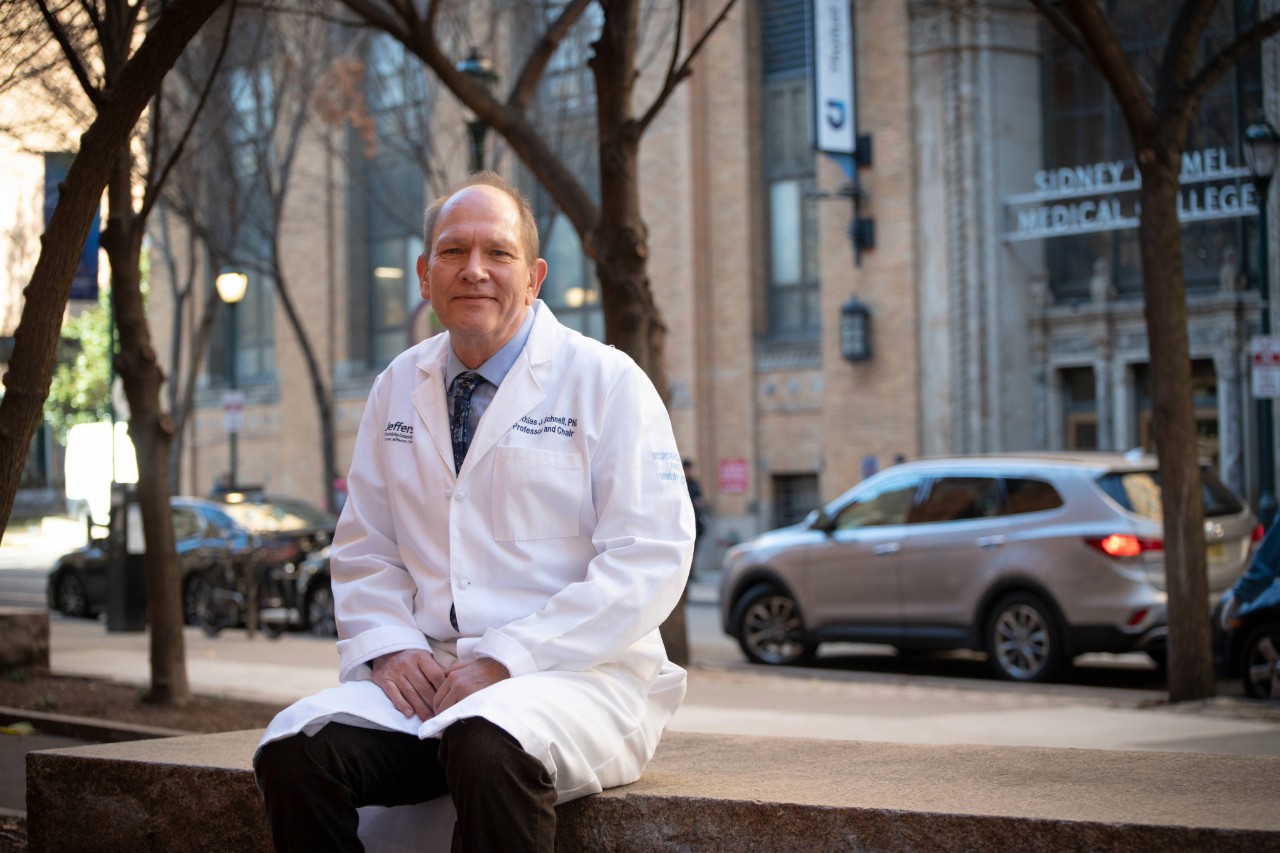
At the time, Matthias Schnell, PhD, was a young graduate student in the middle of completing his thesis at the Federal Research Centre for Virus Diseases of Animals in Tübingen. The government quickly made research funds for rabies available. While most of the funding was dedicated to vaccine development, some was set aside to help understand the molecular basis of the virus. And Dr. Schnell and his team were able to sequence and generate the entire rabies genome – a big accomplishment in the early days of genetic sequencing. Although their molecular breakthrough did not directly contribute to the country’s efforts to make the oral vaccine for rabies, which eliminated the disease officially in 2008, it did help create a new generation of vaccines for wildlife and domesticated animals and helped make the oral vaccine even safer.