

Lead exposure is a risk to any human, but children are most vulnerable to the element’s neurotoxicity. It can contribute to a variety of health problems, including developmental delays and cardiovascular and renal disease later in adulthood. Although nationwide, the number of young children with elevated blood lead levels is declining, there are still areas with high numbers.
For instance, Lancaster County, which is just outside Philadelphia, has the fourth-highest rate of childhood lead poisoning in Pennsylvania according to the Centers for Disease Control and Prevention. One contributing factor is that the majority of houses in the area were built before lead-based paint was banned in 1978. Another factor is the lack of knowledge about the sources and effects of lead.
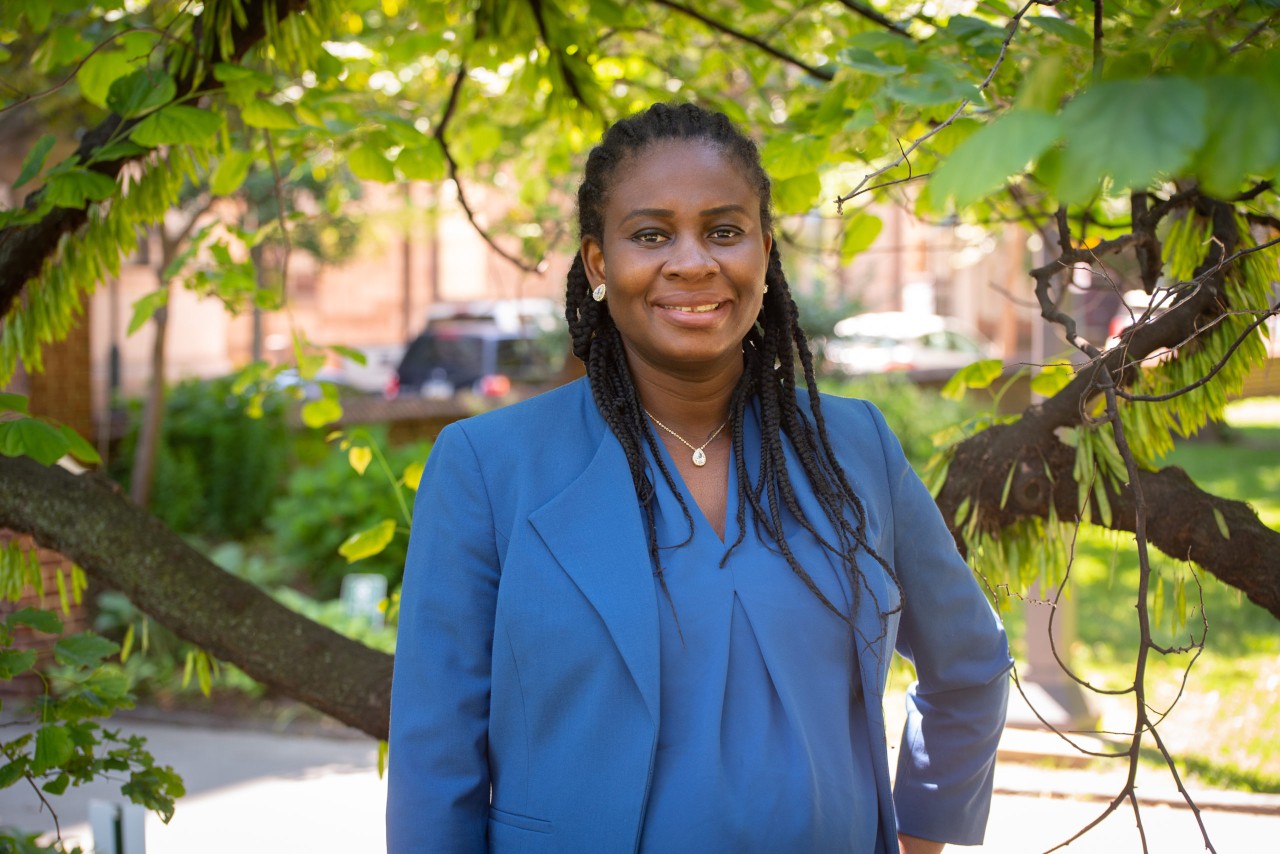
Since 2017, Harriet Okatch, PhD, a public health researcher and associate professor in the College of Population Health, has partnered with the community in Lancaster and others globally to increase awareness about lead exposure and lead poisoning. In her role as a member and founding co-chair of the Lead-Free Promise Project, she also works to secure funding for lead remediation and early screenings for children before age 2. In this conversation, Dr. Okatch discusses her research and advocacy work to prevent and mitigate lead exposure.