


College of Architecture, Design & Engineering



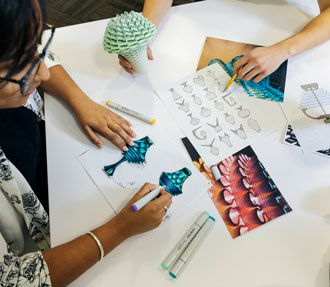
We Improve Lives – Designing & Building a Better Future, Together
The College of Architecture, Design & Engineering at Thomas Jefferson University educates the next generation of architects, designers, engineers and construction professionals to be independent thinkers, innovative problem solvers and ethical leaders committed to creating a more socially equitable, sustainable and flourishing future.
Grounded in human-centered design, interdisciplinary collaboration and applied learning, the college combines rigorous disciplinary education with experiential learning, research and real-world practice. Our curricula encourage students to integrate creativity, critical inquiry, emerging technologies and systems thinking approaches to address the complex challenges of an interconnected and rapidly evolving world. While deeply grounded in their chosen profession, students can customize their educational experience by drawing upon the diverse majors, disciplines and areas of expertise across the college and university, creating personalized pathways that broaden their perspectives and expand their professional capabilities.
Industry Connections
Located in Philadelphia—one of the nation’s most dynamic centers for architecture, design, construction, engineering and technological innovation—the College of Architecture, Design & Engineering provides students with access to exceptional opportunities for professional engagement, internships, applied research and collaborative partnerships with industry leaders, public agencies, community organizations and nonprofit institutions.
Through close faculty mentorship, collaborative research and meaningful professional engagement, students develop the confidence, adaptability and expertise to lead across disciplines, transform communities and shape innovative, resilient and inclusive futures.
Academic Programs | Undergraduate
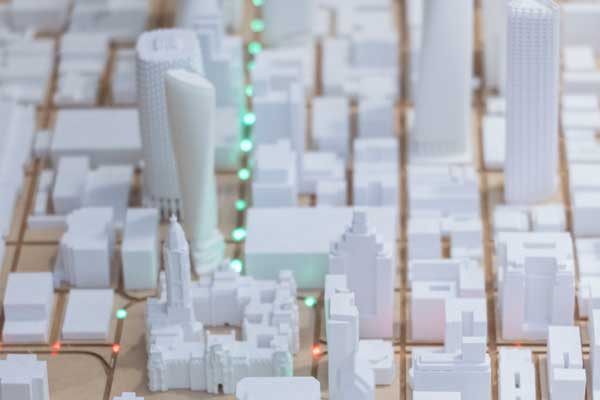

Accelerated Dual Degree Programs
Unlock your potential with our unique blend of undergraduate and graduate programs, propelling you towards your advanced degree swiftly and economically. Gain a head start on your career journey as an undergraduate student by seamlessly transitioning into a graduate degree.
For aspiring graduate students, accelerate your career trajectory by pursuing two specialized and interconnected degrees. Experience a faster and more efficient path to professional advancement.
Academic Programs | Graduate
Academic Programs | Accelerated Dual Degrees

Scholarships & Assistantships
The College of Architecture, Design & Engineering is proud to offer a variety of ways for our students to earn scholarships and assistantships. These opportunities are available to all new domestic and international applicants.
Academic Programs | Graduate Certificates
College of Architecture Design & Engineering Departments
The College of Architecture, Design & Engineering is comprised of five departments that are home to all our academic programs.
-

Architecture
Architecture
The Department of Architecture is founded on the belief that architecture has the power to improve lives through innovative design. Our diverse faculty fosters interdisciplinary experiences, emphasizing design excellence, social equity and sustainability.
-

Interior Design & Interior Architecture
Interior Design & Interior Architecture
The Department of Interior Design & Interior Architecture prioritizes design innovation for healthier lives through collaboration and community. We prepare students with the skills needed to become independent, innovative and ethical design leaders.
-

Construction Management & Engineering
Construction Management & Engineering
The Construction Management & Engineering Department provides practice-oriented degrees, cultivating skills from project management to scheduling and budgeting. Our mission is to help students become ethical and innovative problem-solvers in a rapidly evolving industry.
-

Sustainable Environments
Sustainable Environments
As one of the nation’s first departments of its kind, we focus on solving pressing built environment challenges as we educate tomorrow’s leaders and changemakers in developing sustainable buildings, cities and landscapes that create beautiful spaces for all people.
-

Design
Design
The Department of Design is founded on the belief that thoughtful design can improve lives and create meaningful change. Through a human-centered and collaborative approach, students learn to develop products, services and systems that shape the world around them.


Research Centers & Institutes
As part of a national doctoral research university, the College of Architecture, Design & Engineering is home to several leading-edge research institutes, centers and labs including:
- Center for Immersive Arts for Health
- Center for the Preservation of Modernism
- Institute for Smart & Healthy Cities
- IDEA lab
- Lab for Urban & Social Innovation
- Malawi Health & Design Collaborative
- SMARTlab
- Synesthetic Research & Design Lab


Study Abroad Opportunities
The College of Architecture, Design & Engineering offers semester-long study abroad programs across the globe, including our Jefferson Italy Center.

Minor Degree Options
By layering a secondary area onto a primary field of study, minors indicate versatility and flexibility to a prospective employer, increasing a student’s marketability and expanding prospects for internships and future employment.

SPACEWORK
The College of Architecture, Design & Engineering is proud to share the newest edition of SPACEWORK. SPACEWORK recognizes how our students are creating change within the college, our communities and the industry at large.
Showing 3 items.
Page 1 of 4. 12 total matches.
Features & News



Subscribe to Our Newsletter
Sign up to receive newsletters from the College of Architecture, Design & Engineering