
When talking about managing stress, Dr. Daniel Monti recalls a favorite quote by the late singer and actress Lena Horne: “It’s not the load that breaks you down; it’s the way you carry it.”
Try These Exercises to Help Manage Daily Stress
Mindfulness creates space between you and life’s stressors.
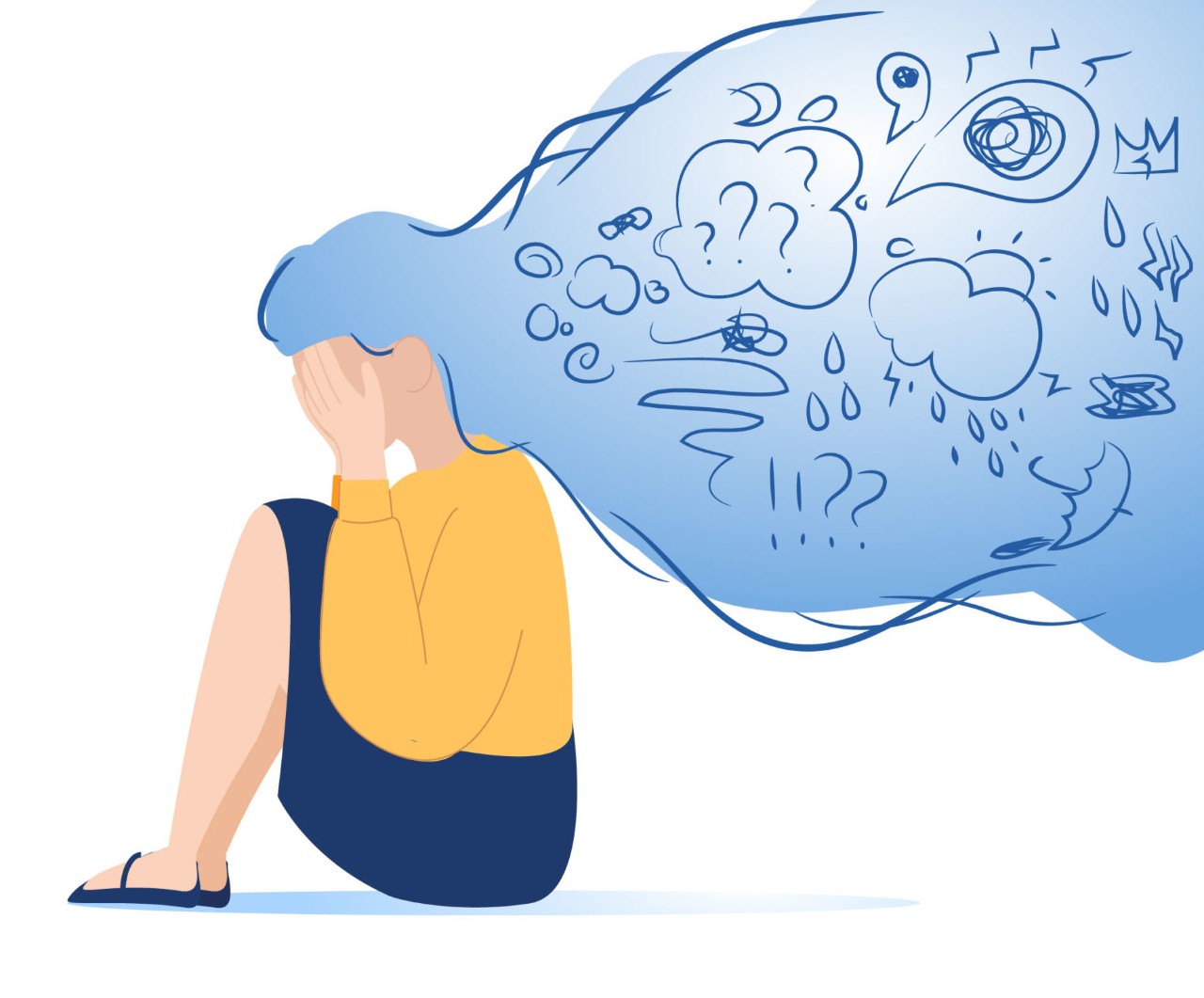
 “We’re bombarded by stressors right now,” says Jefferson's Dr. Daniel Monti, noting mindfulness can put stressors into the context that they belong. "While big, those stressors can often become bigger than they actually are and more all-consuming than they actually need to be.”
Mindfulness—or being present in the moment, non-judgmentally—will help you carry that load better, especially considering the past year, he explains.
 Dr. Daniel Monti, chair of the department of integrative medicine and nutritional sciences
“We’re bombarded by stressors right now,” says Dr. Monti, chair of Jefferson’s department of integrative medicine and nutritional sciences. “These stressors consume everything we’re thinking about and feeling. Mindfulness creates a space between you and those stressors, so you can put them into the context that they belong. While big, those stressors can often become bigger than they actually are and more all-consuming than they actually need to be.”
What Is Stress?
To better understand stress and the role mindfulness can play, Dr. Monti offers a quick biology lesson. It starts with the two branches to the body’s autonomic nervous system: sympathetic and parasympathetic.
Sympathetic is the fight-or-flight response, which mobilizes people to ward off any perceived threat, he says. “If the brain registers something as, ‘This is an unsafe situation for me,’ it puts you into that fight-or-flight or sympathetic response.”
Parasympathetic is the opposite. This restoration branch of the nervous system communicates with the rest of the body and organ systems to calm, nourish and recuperate.
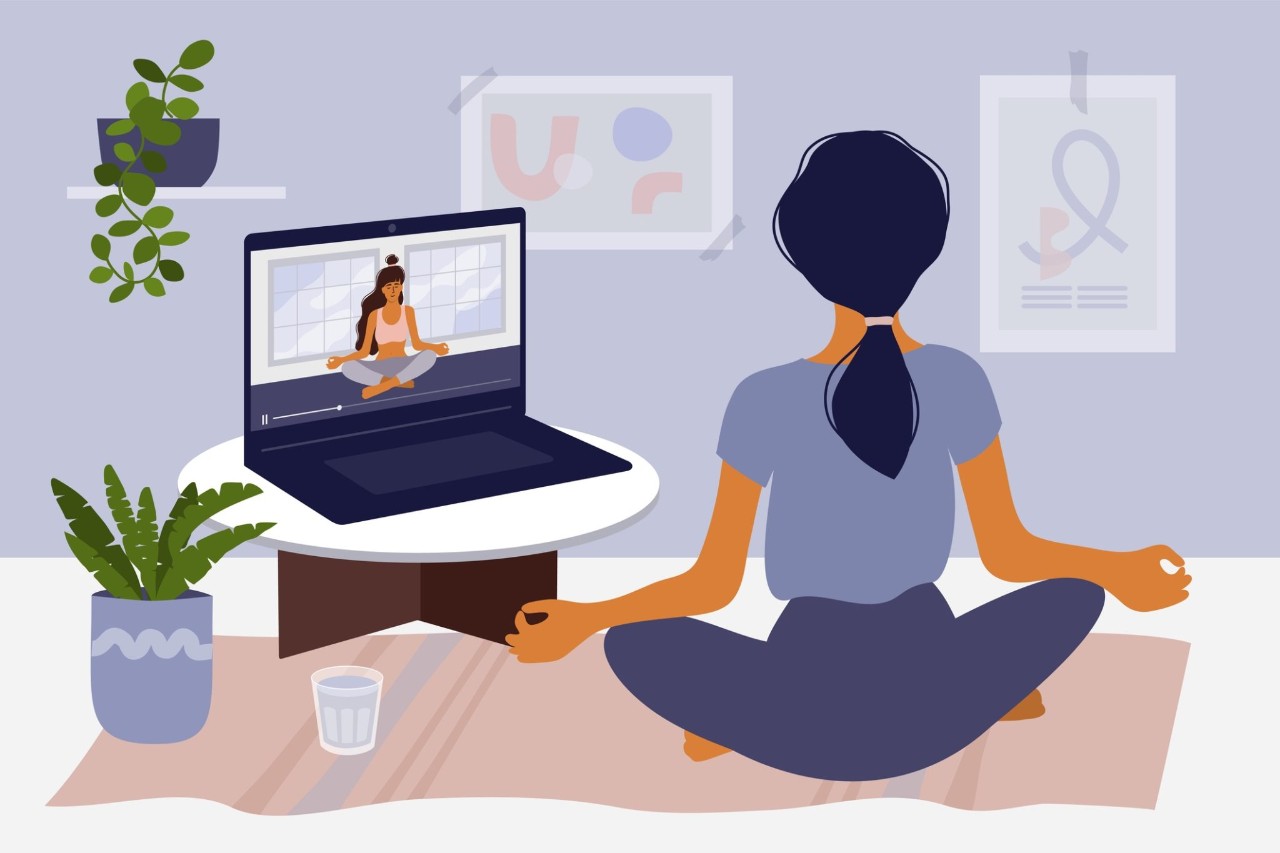
Dr. Aleezé Moss shares a guided mindfulness practice that can help reduce stress.
Scientists can trace the dance between sympathetic and parasympathetic to the dawn of human history, Dr. Monti says. For example, if a caveman saw a lion prowling in the distance, his brain would automatically go into fight-or-flight mode.
“If he was smart, he chose flight, climbed up a tree and the lion passed. The nervous system then resets itself and the caveman goes into a more parasympathetic mode,” he says. “Now, the lions of yesterday are replaced by a pandemic, homeschooling your kids or yourself, concerns about older loved ones and uncertainty about work, school and finances—all those trigger our stress response and that’s connected to all types of biological activity.”
The pandemic and being pulled into sympathetic nervous system overdrive explain why people now experience more gastrointestinal issues, insomnia, headaches and anxiety, says Dr. Monti, co-author of “Tapestry of Health: Weaving Wellness Into Your Life Through the New Science of Integrative Medicine.”
How Mindfulness Helps
Mindfulness allows people to dampen a firing sympathetic nervous system, says Dr. Monti, noting something as simple as proper breathing can do wonders during difficult moments.
“In the midst of a stressful day, the breath becomes shorter or halting, and you might even hold your breath a little bit, like you do when you’re ready to fend off an enemy,” he says. “What you’re doing non-consciously is getting ready to fight or flight. That perpetuates the nervous system response. Learning how to reprogram the nervous system by breathing can make a huge difference.”
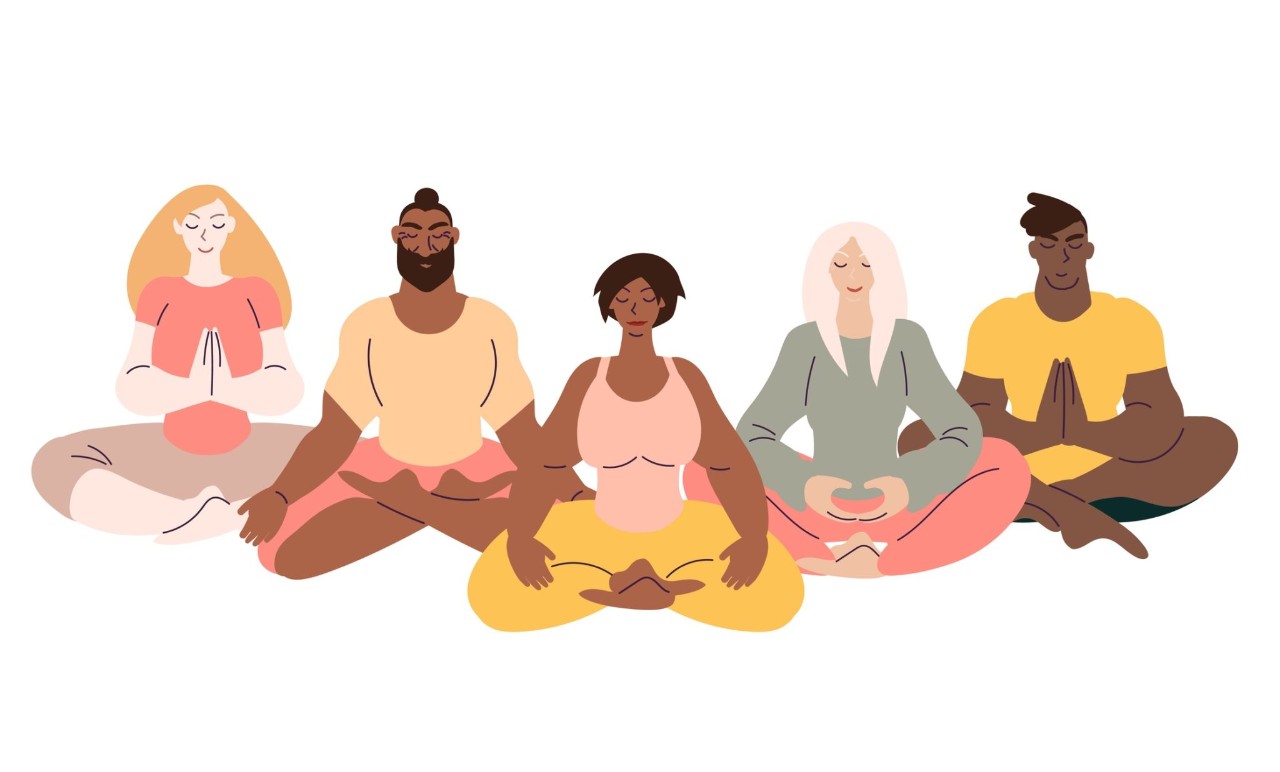 “Mindfulness is a skill,” Dr. Monti says. “The more you practice the skill, the better you are at it and the more automatic it becomes."
He recommends daily, basic exercises of sitting in a comfortable position for several minutes and just breathing deeply and rhythmically. Dr. Monti also suggests regular body scan meditation where people pay close attention to areas of tension or discomfort and “notice without judgment.”
“This allows the space for your brain to do something different with it,” he says. “That’s really what mindfulness is all about.”
In addition, distraction techniques like working on a puzzle, reading or creative writing can be effective ways to disconnect from stressors and refocus energy elsewhere.
No one is perfect with nutrition, mindfulness, meditating and sleep habits. It’s just about getting to the next level of better.
“Mindfulness is a skill,” Dr. Monti says. “The more you practice the skill, the better you are at it and the more automatic it becomes. Take moments throughout the day to breathe and reposition your thoughts. Carve out time to reset the nervous system using the skills that mindfulness teaches you.”
People often get stuck on the notion that mindfulness is “all or nothing” and they must spend two hours a day meditating for it to be effective, he says.
“They feel like all is lost if they don’t do everything correctly or if they haven’t spent enough time being mindful,” Dr. Monti says. “That isn’t true. There’s a cumulative effect from all these health-promoting behaviors. Just start somewhere, and when you’ve mastered that, you go to the next thing and then to the next. No one is perfect with nutrition, mindfulness, meditating and sleep habits. It’s just about getting to the next level of better.”
Jefferson offers a variety of mindfulness-based stress reduction videos. Watch them here.