
Thomas Jefferson University Home Thomas Jefferson University Home
Thomas Jefferson University Home
  • Apply
  • Visit
  • Give
  • Thomas Jefferson University Home
  • Academics
    Back

    Academics

    • Academics Home
    • Program Finder
    • Areas of Interest
    • Registrar's Office
    • Online Programs
    • Continuing & Professional Studies
    • Study Away
    • Academic Calendars

    Colleges, Schools & Institutes

    • Sidney Kimmel Medical College
    • College of Architecture & The Built Environment
    • Kanbar College of Design, Engineering & Commerce
      • School of Business
      • School of Design & Engineering
    • College of Health Professions
    • College of Humanities & Sciences
    • College of Life Sciences
    • College of Nursing
    • College of Pharmacy
    • College of Population Health
    • College of Rehabilitation Sciences
    • Institute of Emerging Health Professions
    Find Your Program

    Prepare yourself for what’s yet to come.

  • Admissions
    Back

    Admissions

    • Admissions Home
    • Undergraduate Admissions
    • Graduate Admissions
    • Continuing & Professional Studies Admissions
    • Sidney Kimmel Medical College Admissions

    Admissions Quick Links

    • Request Information
    • Schedule a Visit
    • Take a Virtual Tour
    • Apply for Admission
    • Financing Your Education
    • Contact Admissions
    Apply

    Start your Jefferson journey today.

  • Tuition & Financial Aid
    Back

    Tuition & Financial Aid

    • Tuition & Financial Aid Home
    • Tuition, Fees and Room & Board (2026-27)

    Tuition & Financial Aid Quick Links

    • Financial Aid Office
    • Student Accounts Office
    Contact Us

    Expert Center City and East Falls staffs are here to help.

  • Life at Jefferson
    Back

    Life at Jefferson

    • Life at Jefferson Home
    • Center City Residential Life
    • East Falls Residential Life
    • Virtual Tours

    Life at Jefferson Quick Links

    • Explore Philadelphia
    • University Catalog & Handbooks
    • Commencement
    • Consumer Information & Disclosures
    Plan Your Visit

    Each of our locations offers a unique learning environment.

  • Research
    Back

    Research

    • Research Home
    • Labs & Service Centers
    • Research Resources
    • 2025 Research Magazine

    Research Quick Links

    • Applied Research
    • Basic Research
    • Clinical Research
  • Athletics
    Back

    Athletics

    • Athletics Home
    • Visit jeffersonrams.com
    • Athletic Facilities
    • Shop Official Store

    Athletics Quick Links

    • Health & Wellness at Jefferson
    • Jefferson Recreation & Fitness Center
  • News
    Back

    News

    • News Home

    News Quick Links

    • Design & Style
    • Science & Technology
    • Business
    • Health
    • Life at Jefferson
    • Podcasts
  • Apply
  • Visit
  • Give
  • Apply
  • Visit
  • Give

Current Students & Faculty

  • Center City Campus
    • Banner
    • Campus Store
    • Canvas
    • Commuter Services
    • Campus Life & Current Students
    • Faculty & Staff
    • JeffMail
    • Library
    • Office 365
    • Student Portal
  • East Falls Campus
    • Banner
    • Campus Store
    • Canvas
    • Faculty & Staff
    • Giving
    • JeffMail
    • Library
    • Starfish
    • Student Life & Resources
    • Student Portal
  • YouTube
  • Instagram
  • Facebook
  • Twitter
  • LinkedIn
  1. Return to Home
    • Thomas Jefferson University News
  2. Thomas Jefferson University News
  3. 2021
  4. 02

How Are Architectural Structures and Their Surrounding Communities Connected?

Feb 11, 2021
Barry Gutman

Discovering the heart of an area by studying its architecture
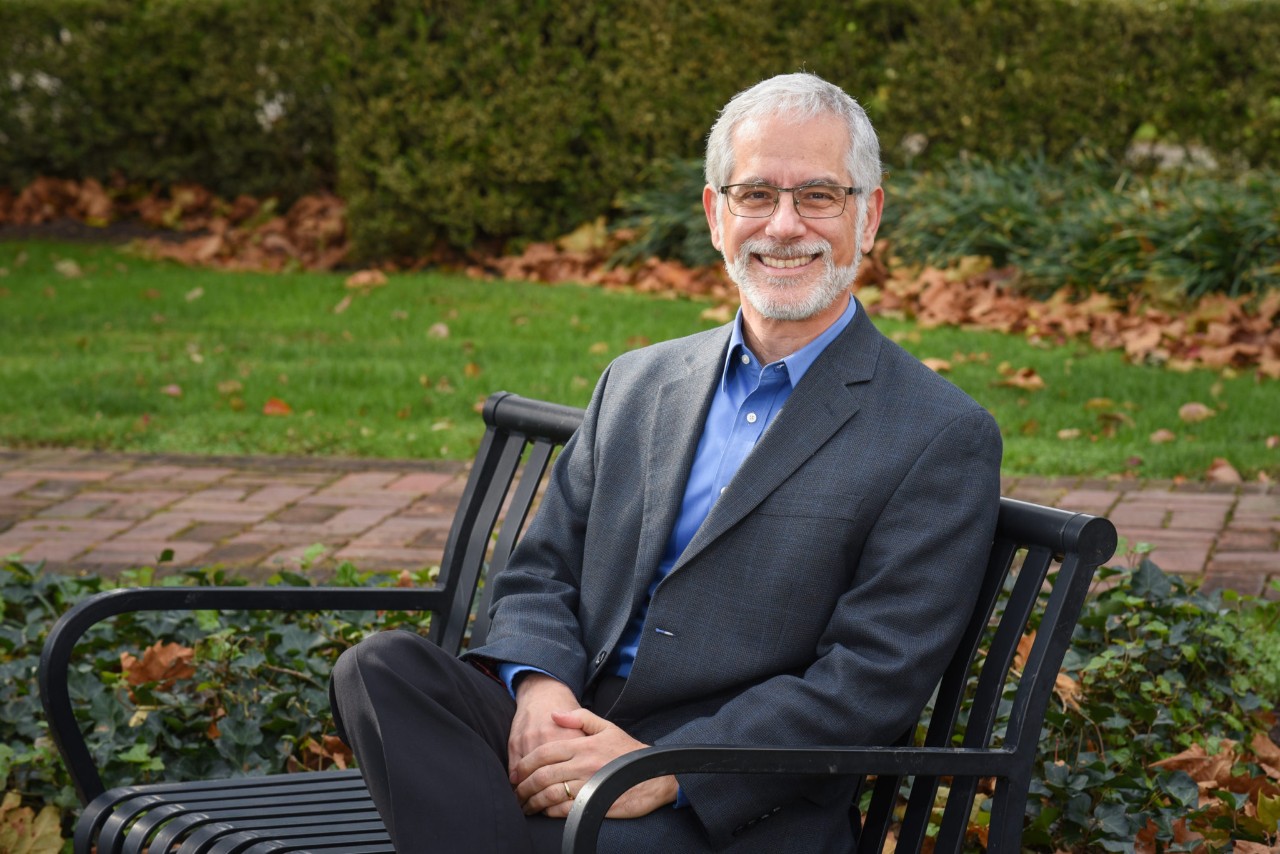
David M. Breiner, PhD, Associate Professor and Associate Dean of Jefferson's College of Architecture and the Built Environment.

Studying architectural history provides insight into the forms, purposes and evolution of the structures that surround us and the society and culture they represent. Such understanding is invaluable for everyone. Insight into specific localities is the purpose of studying the history of buildings, including vernacular architecture – architecture that is based on local needs and traditions, availability of construction materials and, historically, on the design skills and tradition of local builders.

David M. Breiner, PhD, associate professor of architectural history and theory, and associate dean of the College of Architecture and the Built Environment, has a deep appreciation for the history and relationship between architecture and urban form (vernacular architectures and the specific communities in which they exist), be it neighborhoods in Italy, New York City, or Philadelphia. Find out more about Dr. Breiner’s research and the questions he’s trying to answer.

Q: What is your research focus?

A: Currently, I’m concentrating on American -- including vernacular -- architecture.  How did the seemingly everyday buildings and landscapes around us come to be the way they are?  I have also worked on Italian Renaissance architecture and urbanism, meaning the patterns of urban form – street patterns, the distinction between public and private realms, the relationship of buildings to one another and their evolution in time -- and, recently, on the pedagogy of teaching architectural history.

Q: What’s one question you’re investigating?

A: I’m investigating how the School House Lane neighborhood of our East Falls campus developed from colonial times to the present. It’s a complex topic and although people admire the area, many of them don’t know much about it. Many of the surviving country houses are actually on the foundations of even older buildings. And many had extensive gardens that are no longer evident. I find this important because it confirms that so much of the cultural landscape around us has a lot of other interesting history, but it’s so easy to ignore it.

Q: What first sparked your interest in your area of research?

A: So many colleagues visited our campus and remarked on the quality of the buildings and landscapes.  Therefore, I applied for and received a Getty Grant to document some of the campus’s historic cultural landscapes, and there’s been no turning back. One example is the surviving frame farmhouse (rare for the City of Philadelphia) now known as Roxboro House and restored by the University to serve as the Arlen Specter Center.

Q: What’s a cool fact about your study subject?

A: Some interesting architects worked here, such as Wilson Eyre, Jr., a formative figure in Philadelphia’s development of a regional style, and Elizabeth Fleisher, an early woman architect. Among their clients were some of Philadelphia’s most influential families, including the Strawbridges, the Biddles and the Wistars.

Q: Many researchers have superstitions. Things they’ve done to cosmically help their research work succeed. What are yours?

A: This is a little bit of a stretch, but I believe that unless I get started early in the day on research and writing, I won’t get much done.

Q: What’s the best part of your job?

A: My research is like assembling a difficult jigsaw puzzle, but the pieces consist of historic images, aerial photos, and atlases; tax records, deeds, and building permits; family correspondence and the architecture itself.  I really enjoy discovering when word-of-mouth information about local history is confirmed by serious scholarship and when it is refuted.  Just as good is finding a long-lost drawing or photo of a building after years of searching!

Q: What’s something people would be surprised to find out about you?

A: I enjoy riding my bike around neighboring communities. (But most of the time, I’m looking at the buildings!)
Share This


Tags

  • Research
  • College of Architecture & The Built Environment
  • East Falls

Categories

  • Design and Style
Showing 3 items.

Related Articles

How Can Researchers Contribute to Designing Cities That Will Be Efficient, Healthy and Resilient?
Becky Flax
All Research Starts With a Question. What’s Yours?
photo of woman standing in front of tree
How Can Researchers Engage with Marginalized Communities to Better Understand Health Disparities?
Explore More Jefferson News
Thomas Jefferson University Home
  • Apply
  • Visit
  • Give
  • Facebook
  • Twitter
  • YouTube
  • Instagram
  • LinkedIn
  • Jefferson Health
  • Innovation
  • Philanthropy
  • Contact Admissions
  • Privacy Policy
  • Consumer Information

Jefferson holds itself accountable, at every level of the organization, to nurture an environment of inclusion and respect, by valuing the uniqueness of every individual, celebrating and reflecting the rich diversity of its communities, and taking meaningful action to cultivate an environment of fairness, belonging & opportunity.