
Cannabis has a long, complicated sociopolitical history – from “Reefer Madness” to “the war on drugs” – that has created a stigma around it, one that has prevented the medical community from better understanding the substance. It wasn’t long ago that Brooke Worster, MD, would be at a loss when patients asked about how medical cannabis could help them. She didn’t know enough about the plant to properly guide them on how to include it as part of their symptom and side effect management.
What Is the Science Behind Using Cannabis to Treat Serious Illness?
Attempting to close the gap between research, the medical community and patients.
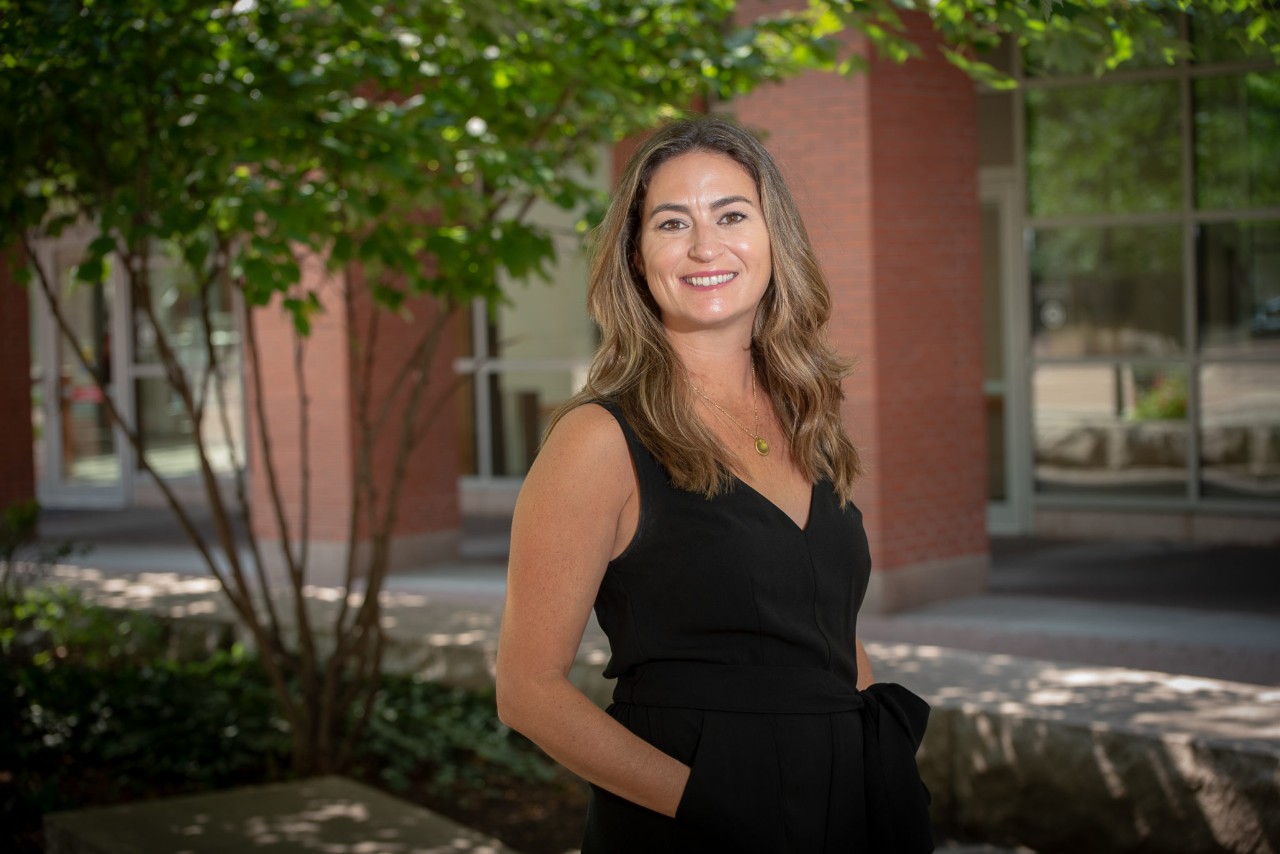
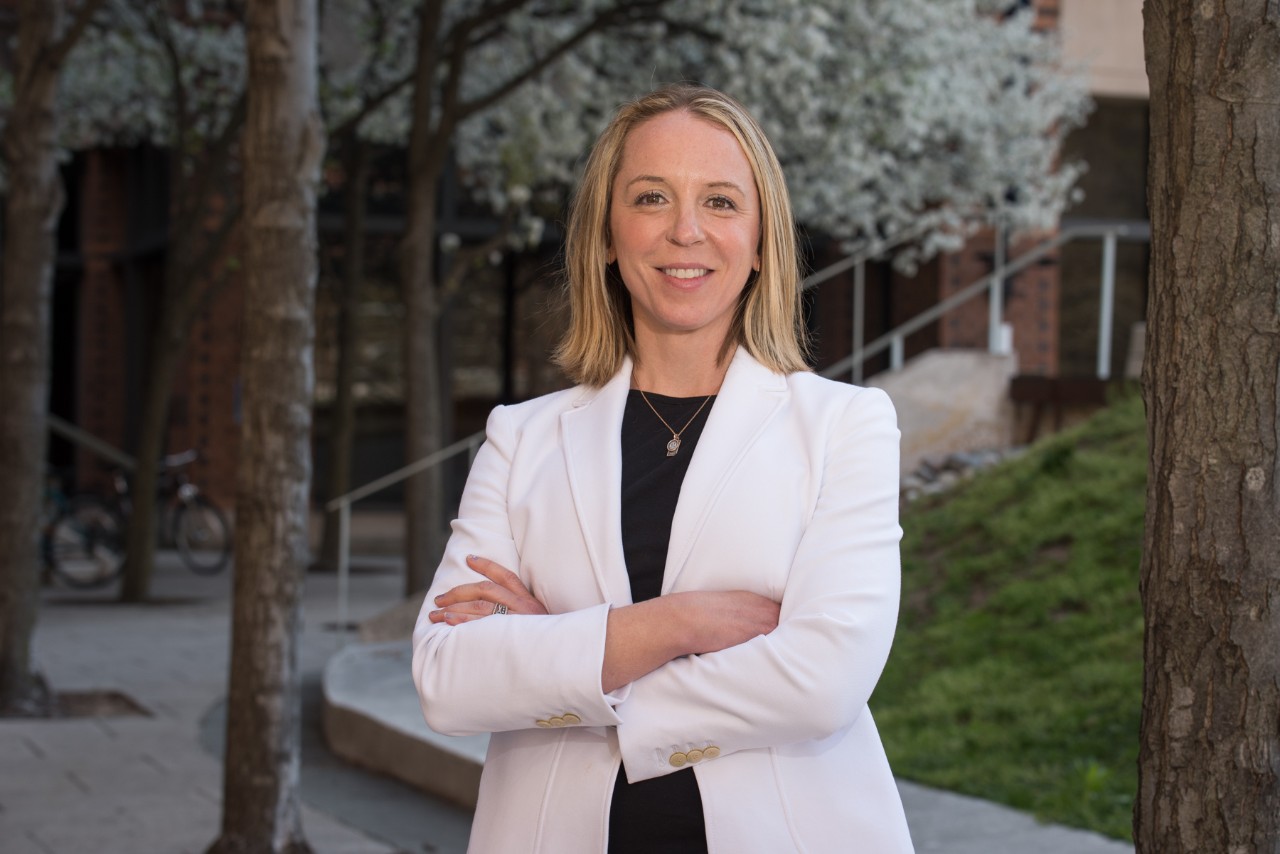 Dr. Brooke Worster, associate professor of medicine in Jefferson’s Department of Medical Oncology.
Medical cannabis, or medical marijuana (MMJ), is cannabis and cannabinoids that are prescribed by physicians for their patients to relieve symptoms of chronic disease or side effects of treatment. The use of cannabis as medicine has not been rigorously tested due to production and governmental restrictions, resulting in limited clinical research to define the safety and efficacy of using cannabis to treat diseases. But preliminary evidence suggests that cannabis can have a range of therapeutic effects – it can reduce nausea and vomiting during chemotherapy, improve appetite in people with HIV/AIDS and reduce chronic pain and muscle spasms.
The emerging evidence is promising, but the gap between the research, the medical community and patients is still enormous. Bridging that gap is what drives researchers like Dr. Worster, associate professor of medicine in Jefferson’s Department of Medical Oncology. She hopes to further the science behind medical cannabis, so that patients and their families can approach its use in their care with as much information as possible.
Find out more about Dr. Worster’s research and the questions she’s trying to answer.
Q: How long have you been at Jefferson? What led you here?
A: I have been at Jefferson for eight years now, and have been working on creating palliative medicine programs that innovate reach, availability and access for patients with cancer. As we continue to drive more care to the outpatient settings, especially in cancer, we need connected, innovative supportive oncology care. The leadership at Sidney Kimmel Cancer Center – Jefferson Health has long recognized the value of this and supported my creation of a multi-disciplinary center for supportive medicine and cancer survivorship. My work with cancer patients for pain and symptom management often involved questions from patients or caregivers about cannabis. The response too often is “we don’t know a lot about that.” That felt unsatisfying to me after a while. This is what led me squarely into the field of cannabis research and education. We need to connect the dots for our patients and our clinicians regarding cannabis. It’s here to stay, so let’s dig in and understand more about the pathophysiology of the endocannabinoid system, its interaction with the nervous system as well as the risks and benefits of various formulations and concentrations of cannabis products for patients.
The medical world needs to get more engaged in these conversations about cannabis
Q: Tell us a bit about your field or area of research. What’s one question you’re exploring?
A: The science behind cannabis use in patients with serious illness continues to lag far behind what our patients are using in real life. This risk/benefit equation drives my interest in furthering the science so that these patients and their families can approach cannabis in an informed and engaged manner – to connect cannabis to health care. As cannabis becomes more mainstream as an alternative therapeutic, patients are interested in it for myriad symptoms and conditions. Less-tolerant and possibly vulnerable groups, such as cannabis-naïve users and older adults, can access cannabis that now has extremely high concentrations of THC. This combination can result in high risk ingestions, unwanted side effects, including dizziness, falls or severe cognitive distortion. We need to know more about what components and doses of the plant are safe, effective and tolerable for a broad range of patients.
One question that I am exploring is: What is the impact of cannabis use in patients with chronic opioid use? How does cannabis impact the duration, frequency and amount of opioid use? Patients with chronic pain experience significantly lower quality of life, higher rates of disability and subsequent risk for opioid addiction. There are often limited effective options for pain management or palliation of opioid withdrawal. Therefore, we are looking at specific formulations of cannabis in known quantities ingested by patients with chronic pain and opioid use or opioid use disorder hoping to see if there are impacts on physical and emotional symptoms associated with pain and opioid withdrawal.
Q: What first sparked your interest in your area of research/your research question?
A: My patients and their families! They would come to me frequently and somewhat sheepishly ask me about cannabis – and it was always driven by conversations with neighbors, loved ones, friends or something on the internet – never because a clinician told them to think about this as a palliative modality to improve symptoms. The medical world needs to get more engaged in these conversations. There continues to be significant stigma associated with cannabis; both from the patient and the provider.
Q: What’s the fire in your belly that drives your passion for your research?
A: There is so much unexplored space and so many opportunities to bridge the gap between what our patients are wanting and what they currently get in terms of guidance on cannabis.
Q: What’s a cool or little known or unique fact about your work?
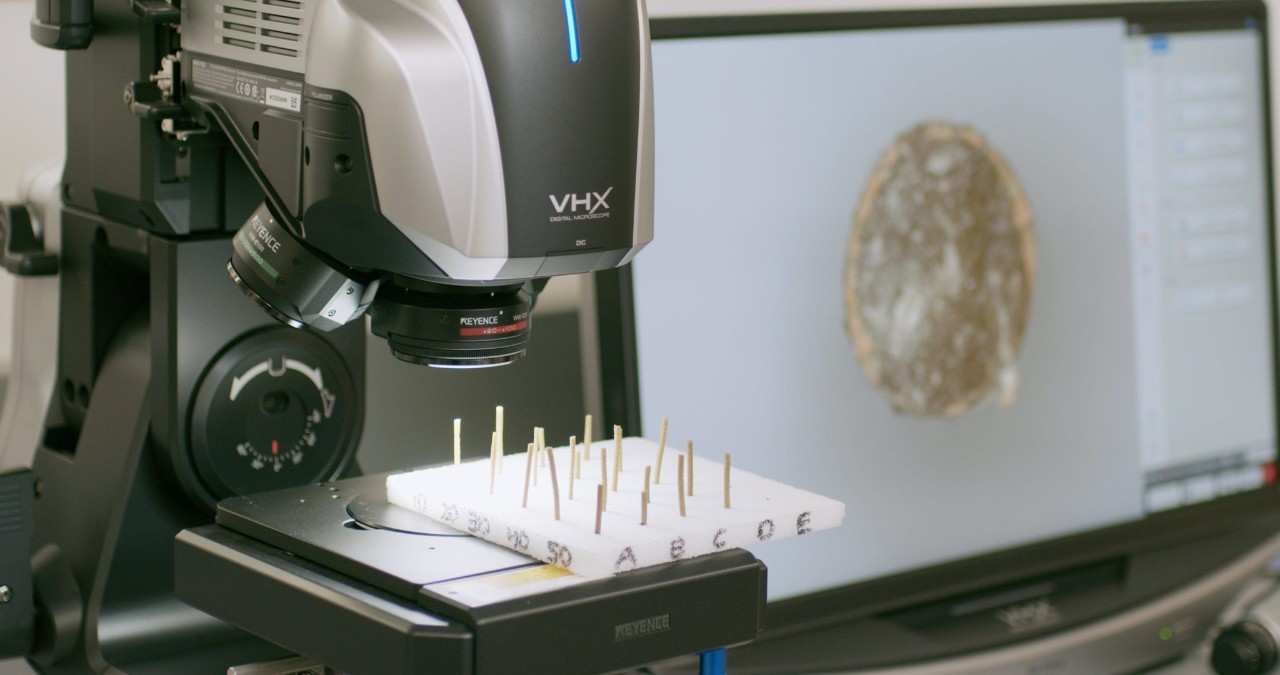
A: I get to partner with cannabis industry partners under a really cool legislative action in Pennsylvania (chapter 20) that allows us to do real-world research in collaboration with cannabis dispensaries. Pennsylvania has led the nation in creation of a platform that really does encourage academic-industry partnership to propel clinical research. We can examine the impacts of products people are regularly accessing and using. As the cannabis market rapidly expands in terms of both formulation and concentration of product, it becomes even more critical that we have a way to study the impacts in cannabis users. Academic medical centers in the state of Pennsylvania can partner with a clinical registrant (CR) – a vertically integrated cannabis company – to do research ranging from biochemical analysis of products to examination of patient reported outcomes with use.
Q: If you had any words of advice for an aspiring researcher or student in this field, what would they be?
A: Be patient! Everything takes longer than it should because of the red tape – but the reward is worth it! And there are a lot of really diverse, interesting professionals working in this space – the opportunities for collaboration are immense.