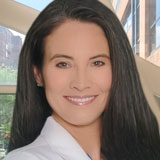
Stephanie M. Robert, MD, PhD

Assistant Professor of Neurological Surgery
Director, Undergraduate Medical Education & Clerkship Program, Neurosurgery

Contact Information

Stephanie Robert, MD, PhD

Academic Address
909 Walnut Street, Suite 300
Philadelphia, PA 19107

Email Stephanie M. Robert

215-955-7000

Assistant Professor of Neurological Surgery
Director, Undergraduate Medical Education & Clerkship Program, Neurosurgery

Education

Medical School

University of Alabama, School of Medicine, Birmingham, AL 

Residency

Yale University, New Haven, CT

Fellowship

Memorial Sloan Kettering Cancer Center, New York, NY

Postdoctoral Fellowship

Yale University, New Haven, CT

Doctoral Degree

University of Alabama, Birmingham, AL 

Publications

Board Certification

Board Eligible, Neurological Surgery

Leadership Roles

Director, Undergraduate Medical Education & Neurosurgery Clerkships
Department of Neurosurgery, Thomas Jefferson University, 2026–Present

Co-Chair, Adult Neurosurgeon’s Advisory Subcommittee
Transition of Care Committee, AANS/CNS Section on Pediatric Neurosurgery, 2026-Present

Department Lead, Transparent Clinical Documentation Initiative
Department of Neurosurgery, Thomas Jefferson University, 2025–Present

Associate Director, Neurosurgery Clerkship
Department of Neurosurgery, Thomas Jefferson University, 2025–2026

Research Interest

Dr. Robert’s research focuses on neurosurgical oncology, with an emphasis on primary and metastatic brain tumors, radiation necrosis, treatment-related imaging changes, and the neuroimmune landscape of tumor recurrence and treatment resistance. Her translational research program integrates clinical outcomes, advanced neuroimaging, tissue and blood-based biospecimens, single-cell and multi-omic profiling, patient-derived models, and biomarker development to improve diagnosis and therapeutic decision-making for patients with complex brain tumors.

Specific research interests include:

  • Brain metastases and recurrent metastatic brain tumors
  • Radiation necrosis and post-radiation treatment effect
  • Differentiating tumor progression from treatment-related changes
  • Neuroimmune mechanisms of brain tumor recurrence and radiation injury
  • Liquid biopsy and biomarker development for CNS tumors
  • Single-cell and multi-omic profiling of brain tumors, radiation necrosis, and leptomeningeal disease
  • Patient-derived brain tumor models and translational therapeutic platforms
  • MRI-guided laser interstitial thermal therapy (LITT) and its effects on the tumor microenvironment
  • Choroid plexus biology, CSF dynamics, and neuroinflammation

Professional Memberships

Congress of Neurological Surgeons (CNS)
American Association of Neurological Surgeons (AANS)
AANS/CNS Section on Tumors
AANS/CNS Section on Pediatric Neurosurgery
AANS/CNS Women in Neurosurgery (WINS) 
Society for Neuro-Oncology (SNO)

Personal Statement

I am a neurosurgical oncologist specializing in the care of patients with primary and metastatic brain tumors, recurrent tumors, and radiation necrosis. I treat patients who are newly diagnosed as well as those facing complex decisions after prior surgery, radiation, or systemic therapy.

My approach to brain tumor care is individualized, multidisciplinary, and grounded in clear communication. Each patient’s treatment plan depends on many factors, including the tumor type, location, prior treatments, overall cancer status, neurologic function, imaging findings, and personal goals. I work closely with colleagues in radiation oncology, medical oncology, neuro-oncology, neuroradiology, pathology, and supportive care to provide coordinated treatment recommendations and comprehensive care.

A major focus of my clinical practice is the management of brain metastases and previously treated or recurrent brain tumors. After radiation or other therapies, changes on MRI can sometimes be difficult to interpret. An enlarging area may represent an active tumor, treatment-related inflammation, radiation necrosis, or a combination of these processes. Distinguishing among these possibilities is essential because the most appropriate treatment may vary significantly. Through detailed imaging review and multidisciplinary discussion, I help patients understand these nuances and determine the next best step, which may include close observation, surgery, radiation, laser ablation, medication, or a combined approach.

I also specialize in minimally invasive treatment strategies, including MRI-guided laser interstitial thermal therapy (LITT) for carefully selected brain tumors and radiation necrosis. For some patients, this approach may provide an option when a lesion is deep, difficult to reach, recurrent after prior treatment, or not ideally suited for traditional open surgery.

In addition to my clinical practice, I lead translational research focused on improving the diagnosis and treatment of brain tumors. My work examines tumor recurrence, radiation necrosis, and the immune environment surrounding brain tumors, with the goal of developing better tools to distinguish tumors from treatment effects and to personalize treatment decisions and therapeutic options.