
While commonly associated with combat veterans, post-traumatic stress disorder (PTSD) is a mental health problem that can develop after experiencing or witnessing a life-threatening event or series of events, like combat, a natural disaster, a car accident, racism or sexual assault.

As We Emerge From the Pandemic, Who Is at Risk for Post-Traumatic Stress Disorder?
A traumatic event can cause PTSD, but so can unrelenting stress, such as what we’ve experienced during the COVID pandemic.
But as we emerge from the pandemic-induced lockdown of the past 15 months – and the various traumatic stressors associated with it – PTSD is being diagnosed in an even larger swath of the population. According to a study published in Psychiatric Times, COVID-19 has already led to diverse mental health problems, including anxiety, depression, PTSD and other trauma- and stress-related disorders.
The study reports that different groups have met the qualifying criteria for PTSD according to DSM-5 (Diagnostic and Statistical Manual of Mental Disorders) as a result of the pandemic. This includes:
- Those who have themselves suffered from serious COVID-19 illness and potential death.
- Individuals who, as family members and healthcare workers, have witnessed others’ suffering and death.
- Individuals who have learned about the death or risk of death of a family member or friend due to the virus.
- Individuals who have experienced extreme exposure to aversive details, such as journalists, first responders, medical examiners and hospital personnel.
“I think there is something about COVID and the experience of the pandemic where much of the general public is experiencing some vicarious trauma,” says Dr. Deanna Nobleza, a psychiatrist and director of the Student Counseling Center and clinical associate professor of the department of psychiatry and human behavior at Jefferson. While cautioning that “psychiatrists might hesitate to classify that trauma as PTSD,” she adds, “what we’re seeing is still within the category of trauma and stressor-related disorders.”
“By definition, a traumatic event is something that is physically or psychologically threatening, and overwhelms one’s ability to cope,” says Dr. Jeanne M. Felter, co-director of the Jefferson Trauma Education Network (J-TEN) and chair of the counseling and behavioral health department at Jefferson. “Because the events of the past year-plus, including COVID-19, racial reckoning and sociopolitical unrest are far more than a singular event, I’d rather talk about the impact of chronic stress than trauma,” Dr. Felter says. For many, the past 15 months have been ‘a persistent experience of heightened, chronic, unrelenting stress.’
“Trauma causes PTSD,” she adds, “but unrelenting stress can have a similar impact on our behavior and functioning.”
As Dr. Felter points out, roughly 60 to 85 percent of the population – pre-pandemic – has experienced trauma, but only 6 to 10 percent of the population experience PTSD. In other words, most people who have experienced a life-threatening event are able to rebound.
If they have supportive networks around them, most people don’t need clinical intervention. But I think that’s going to change because of the universality of this (COVID) experience, and because of the persistent, prolonged stress response that people have been under.
In the healthcare sector, worry, exhaustion, constantly changing safety rules and long hours of wearing PPE are just a few things America’s healthcare workers cite as the hardest parts of going to work on the front lines of the coronavirus pandemic. Their work has saved countless lives but also taken a personal toll. According to a recent Washington Post-Kaiser Family Foundation poll, 62 percent say that worry or stress related to COVID-19 has had a negative effect on their mental health. A 55 percent majority feel “burned out” going to work. Nearly half of all healthcare workers say worry or stress has caused them to have trouble sleeping or to sleep too much.
“The things that I’m hearing from healthcare workers are what I call super stressors, because they’re stressors superimposed on the stressors that were already there,” Dr. Nobleza says. “It may have been anxiety related to, am I going to have enough PPE? Am I going to get COVID? Am I going to transmit it to my loved ones? And then when the lockdown happened, there were other stressors – how do I take care of my child, or my elderly parents, or how do I homeschool my children?”
PTSD Symptoms
According to the National Center for PTSD, there are four types of PTSD symptoms, but they may not be exactly the same for everyone. Each person experiences symptoms in their own way.
- Reliving the event. Unwelcome memories about the trauma can come up at any time. They can feel very real and scary, as if the event is happening again. This is called a flashback. You may also have nightmares. Memories of the trauma can happen because of a trigger — something that reminds you of the event. For example, seeing a news report about a disaster may trigger someone who lived through a hurricane. Or hearing a car backfire might bring back memories of gunfire for a combat veteran.
- Avoiding things that remind you of the event. You may try to avoid certain people or situations that remind you of the event. For example, someone who was assaulted on the bus might avoid taking public transportation. Or a combat veteran may avoid crowded places like shopping malls because it feels dangerous to be around so many people. You may also try to stay busy all the time so you don’t have to talk or think about the event.
- Having more negative thoughts and feelings than before. You may feel more negative than you did before the trauma. You might be sad or numb — and lose interest in things you used to enjoy, like spending time with friends. You may feel that the world is dangerous and you can’t trust anyone. It may be hard for you to feel or express happiness, or other positive emotions. You might also feel guilt or shame about the traumatic event itself. For example, you may wish you had done more to keep it from happening.
- Feeling on edge. It’s common to feel jittery or “keyed up” — like it’s hard to relax. This is called hyperarousal. You might have trouble sleeping or concentrating, or feel like you’re always on the lookout for danger. You may suddenly get angry and irritable — and if someone surprises you, you might startle easily. You may also act in unhealthy ways, like smoking, abusing drugs and alcohol or driving aggressively.
For those diagnosed with PTSD, trauma-focused psychotherapies, where treatment focuses on the memory of the traumatic event or its meaning, are the most highly recommended treatments. These can include trauma-focused cognitive behavioral therapy (TF-CBT), prolonged exposure therapy (PE), cognitive processing therapy (CPT) or eye movement desensitization and reprocessing (EMDR).
Reaction to Trauma Can Vary by Individual
Not all people will have a trauma reaction to the same event, as Dr. Felter notes. “Trauma involves an individualized experience, so it’s not the event in and of itself that is traumatic,” she says. “It is a person’s experience of the event that determines whether or not it is traumatic.”
If two people shared the same experience, for example, and one felt mobilized, or that they would survive, while the other felt they were going to die, the latter would be more vulnerable to a prolonged response – such as PTSD – to the event. People who have had previous traumatic experiences can be more vulnerable. Says Dr. Nobleza, “For people who already have some predisposing mental health concerns, such as adverse childhood experiences, those factors can put them at greater risk for PTSD.”
In communities of color, there is concern that there may be longer-lasting psychological effects of the COVID-19 pandemic, which has brought social and racial injustice and inequity to the forefront of public health. It has highlighted that health equity is still not a reality, as COVID-19 has unequally affected many racial and ethnic minority groups, putting them more at risk of getting sick and dying from COVID-19. The African American community has been particularly impacted.
“A lot of Black frontline workers did not have the luxury of working from home,” says Dr. Erica Wilkins, director of the couple and family therapy program at Jefferson. “So, they were disproportionately impacted not only by contracting COVID, or passing away from, or having very close loved ones pass away from COVID, but every day they were risking their lives and coming into contact with the possibility of being severely impacted by COVID. So that connects to PTSD, which is defined by experiencing or witnessing a terrifying, possibly life-threatening event.”
According to Mental Health America, Black people experience direct traumatic stressors (including being heavily policed or being the victims of physical and verbal attacks), indirect stressors (such as the effects of viewing the video of the killing of George Floyd), and transmitted stressors (from traumatic stress passed from one generation to the next, at higher rates).
There are also many barriers that affect the ability of Black people to receive adequate, culturally competent mental health care to deal with these various stressors. Statistics tell us that about 25 percent of Black Americans seek mental health care, compared to 40 percent of whites. Unequal access to health care is one major contributor to this disparity.
But Dr. Wilkins believes the resilience of Black Americans is what will see the community through traumas experienced during the pandemic. “Black people are extremely adaptive and resilient and that has been proven by generations of families,” she says. “I think that same resilience is going to be a benefit in the aftermath of the last year-and-a-half.”
Brain Health Program for Veterans
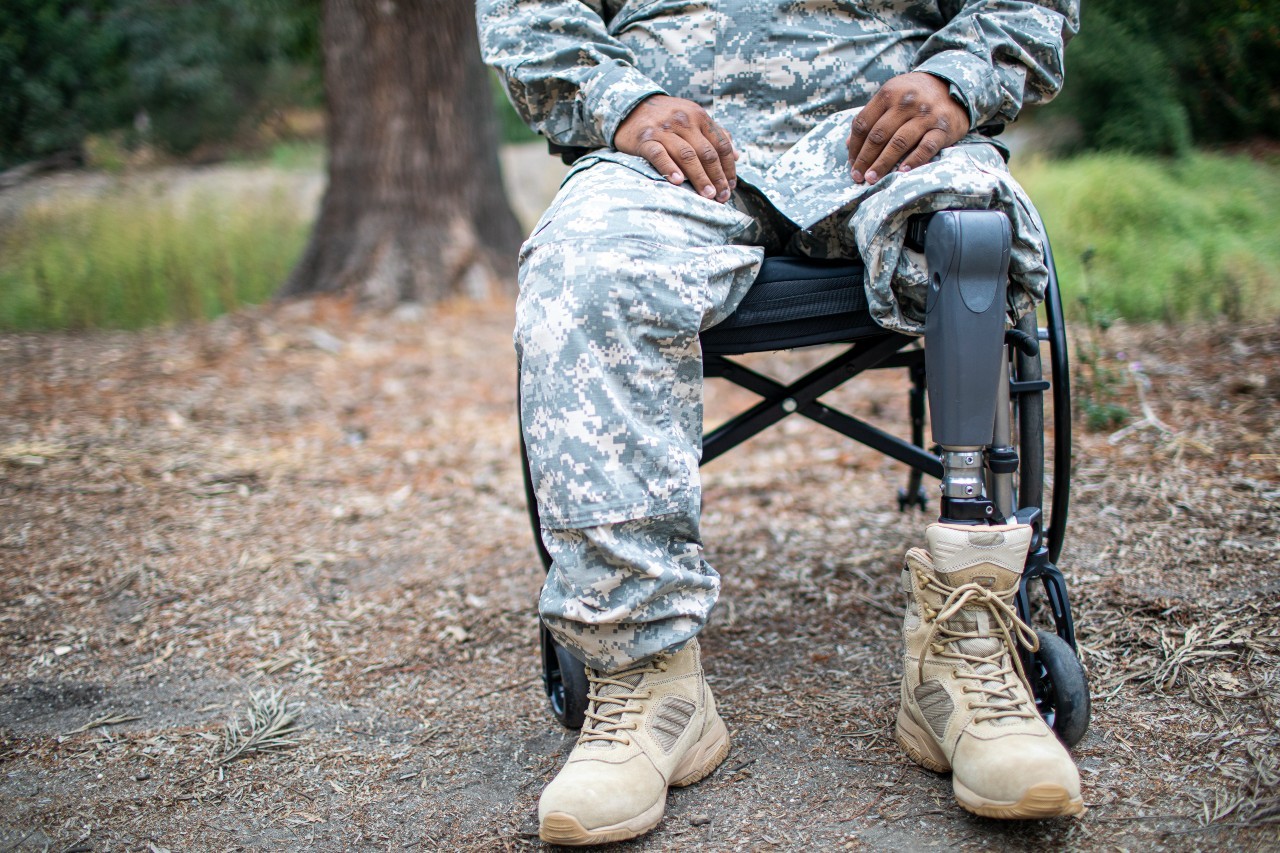
While PTSD is becoming more commonplace among broader populations because of the impact of COVID and social unrest from the past year, it continues to be particularly acute among our veterans who have been exposed to repetitive traumatic experiences and brain injuries occurring during war.
Through its relationship with the Gary Sinise Foundation Avalon Network, the Marcus Institute of Integrative Health – Jefferson Health offers a Veterans Brain Health Program for those who have suffered a brain injury. The program targets unresolved symptoms from a concussion, such as cognitive problems, functional limitations, PTSD and other related health issues.
“Our team has put together a highly unique, leading-edge program in partnership with our colleagues across the Jefferson campus,” says Dr. Daniel Monti, the Ellen and Ron Caplan Professor and Founding Chair of the department of integrative medicine and nutritional sciences at the Sidney Kimmel Medical College and the CEO of the Marcus Institute of Integrative Health – Jefferson Health. “This program furthers Jefferson’s mission to aid in the healing, recovery and preventive treatment of our veterans by building upon the Jefferson integrative model of whole-person care.”
The partnership allows Jefferson to provide a highly advanced program at no out-of-pocket cost to veterans who have suffered a concussion and have persistent symptoms. For qualified participants, the program includes a comprehensive two-day assessment, followed by an intensive, three-week outpatient treatment program tailored to the individual’s unique needs.
Traumatic brain injuries (TBI) and PTSD affect nearly one out of every three military personnel deployed to war zones since 2001. An estimated 30 percent of our nation’s first responders also experience symptoms of depression and post-traumatic stress.
Though dubbed “invisible wounds,” the changes in psychological health that accompany these conditions have very visible manifestations, such as depression, anxiety, suicide and substance abuse, impacting not just the patients, but their families as well. Unlike physical wounds, invisible wounds can be passed from one generation to the next. Tragically, these invisible wounds too often can lead to suicide. Recognizing the symptoms of PTSD early can save lives.