

Thomas Jefferson University Home Thomas Jefferson University Home
Thomas Jefferson University Home
  • Apply
  • Visit
  • Give
  • Thomas Jefferson University Home
  • Academics
    Back

    Academics

    • Academics Home
    • Program Finder
    • Areas of Interest
    • Registrar's Office
    • Online Programs
    • Continuing & Professional Studies
    • Study Away
    • Academic Calendars

    Colleges, Schools & Institutes

    • Sidney Kimmel Medical College
    • College of Architecture & The Built Environment
    • Kanbar College of Design, Engineering & Commerce
      • School of Business
      • School of Design & Engineering
    • College of Health Professions
    • College of Humanities & Sciences
    • College of Life Sciences
    • College of Nursing
    • College of Pharmacy
    • College of Population Health
    • College of Rehabilitation Sciences
    • Institute of Emerging Health Professions
    Find Your Program

    Prepare yourself for what’s yet to come.

  • Admissions
    Back

    Admissions

    • Admissions Home
    • Undergraduate Admissions
    • Graduate Admissions
    • Continuing & Professional Studies Admissions
    • Sidney Kimmel Medical College Admissions

    Admissions Quick Links

    • Request Information
    • Schedule a Visit
    • Take a Virtual Tour
    • Apply for Admission
    • Financing Your Education
    • Contact Admissions
    Apply

    Start your Jefferson journey today.

  • Tuition & Financial Aid
    Back

    Tuition & Financial Aid

    • Tuition & Financial Aid Home
    • Tuition, Fees and Room & Board (2026-27)

    Tuition & Financial Aid Quick Links

    • Financial Aid Office
    • Student Accounts Office
    Contact Us

    Expert Center City and East Falls staffs are here to help.

  • Life at Jefferson
    Back

    Life at Jefferson

    • Life at Jefferson Home
    • Center City Residential Life
    • East Falls Residential Life
    • Virtual Tours

    Life at Jefferson Quick Links

    • Explore Philadelphia
    • University Catalog & Handbooks
    • Commencement
    • Consumer Information & Disclosures
    Plan Your Visit

    Each of our locations offers a unique learning environment.

  • Research
    Back

    Research

    • Research Home
    • Labs & Service Centers
    • Research Resources
    • 2025 Research Magazine

    Research Quick Links

    • Applied Research
    • Basic Research
    • Clinical Research
  • Athletics
    Back

    Athletics

    • Athletics Home
    • Visit jeffersonrams.com
    • Athletic Facilities
    • Shop Official Store

    Athletics Quick Links

    • Health & Wellness at Jefferson
    • Jefferson Recreation & Fitness Center
  • News
    Back

    News

    • News Home

    News Quick Links

    • Design & Style
    • Science & Technology
    • Business
    • Health
    • Life at Jefferson
    • Podcasts
  • Apply
  • Visit
  • Give
  • Apply
  • Visit
  • Give

Current Students & Faculty

  • Center City Campus
    • Banner
    • Campus Store
    • Canvas
    • Commuter Services
    • Campus Life & Current Students
    • Faculty & Staff
    • JeffMail
    • Library
    • Office 365
    • Student Portal
  • East Falls Campus
    • Banner
    • Campus Store
    • Canvas
    • Faculty & Staff
    • Giving
    • JeffMail
    • Library
    • Starfish
    • Student Life & Resources
    • Student Portal
  • YouTube
  • Instagram
  • Facebook
  • Twitter
  • LinkedIn
  1. Return to Home
    • Thomas Jefferson University News
  2. Thomas Jefferson University News
  3. 2024
  4. 10

Jefferson Investigates: Barriers to Digital Health; Support for Mothers with Opioid Use Disorder; Effects of Lead Exposure

Oct 28, 2024
By Deborah Balthazar, Jill Adams, Queen Muse

Exploring how to facilitate digital health with culturally competent tools, to improve outcomes in mothers with opioid use disorder, and to mitigate effects of lead exposure.

Image Credit: © Adobe Stock fizkes/295622684

Addressing Digital Health Barriers through Community Partnerships

A new study by Thomas Jefferson University researchers, in partnership with Esperanza Health Center, aims to address barriers to digital health among the Latino population in Philadelphia.

“Telehealth has become one of the primary access points into health care, especially since the onset of the COVID-19 pandemic,” says the study’s senior author Kristin Rising, MD, executive director of Jefferson’s Center for Connected Care. “We wanted to understand the barriers people face in engaging with telehealth and how we can help address them, particularly for underserved populations, so that we can reduce disparities in healthcare access.”

The researchers interviewed Latino patients at the Esperanza Health Center to understand their experiences with healthcare-related technology and their willingness to learn more about using it. The researchers identified several key obstacles, including limited digital literacy, language barriers and a lack of trust in telehealth platforms. Significantly, many patients had difficulty navigating online portals in English. Additionally, issues such as the lack of privacy in shared living spaces and concerns about the quality of care through virtual visits also emerged as barriers.

To address these challenges, the research team collaborated with community members at Esperanza to develop short, accessible videos to teach patients how to perform essential tasks like resetting passwords or requesting medication refills on health portals. These videos were then made available in the clinic, where patients could view them while waiting for their appointments.

Karla Martin González , MPP, research coordinator at Jefferson and a contributing author of the study, emphasized the importance of academic institution partnerships with community organizations like Esperanza.

“As a Latina immigrant, I care deeply about developing culturally sensitive health interventions for this population,” González says. “Including community perspectives is essential in that process.”

Looking ahead, Dr. Rising and her team hope to scale their interventions across Jefferson’s health system, providing bedside digital health training for patients. They also aim to partner with more community organizations to expand digital literacy programs.

By Queen Muse

Image Credit: © Adobe Stock Rawpixel.com/223138032

Increasing Social Supports for New Mothers with Opioid Use Disorder

Opioid use disorder (OUD) is a growing public health problem among pregnant and parenting people in the U.S. Between 1999 and 2014, the number of pregnant women with OUD increased by more than four times. This trend also coincides with a rise in pregnancy-associated maternal overdose mortality.

Researchers at Thomas Jefferson University, led by Meghan Gannon, PhD, MSPH, investigated how community-based supports, like doulas, can be integrated into health care for mothers who use opioids. Using a social network analysis, their study published in Midwifery examined the support systems and level of resiliency among 34 participants.

The results suggest that social support decreases among persons with OUD from the time of pregnancy until after childbirth, and that half of the participants of the study reported inadequate social support during that period. Participants with a higher resiliency score, however, were more likely to perceive doulas as a support during perinatal care.

“This decrease in social support from pregnancy through postpartum is an important finding to address, given the increased risk for relapse in the year after birth ,” says Dr. Gannon.

Once the baby is born, parents with OUD can experience anxiety over child welfare involvement and losing custody of their child, Dr. Gannon explains. Stigma around maternal substance use and being in recovery can also be a deterrent to seeking health care. “Therefore, increasing social support through non-traditional sources may help individuals with OUD have increased access to health care, creating an environment in which they feel safe.”

In the future, Dr. Gannon hopes to pioneer a peer recovery doula model – where those in recovery could be trained to provide doula support to new mothers with OUD. Dr. Gannon says that this approach could one day foster an authentic bond so that if mothers need extra support during the postpartum period, “they have someone they can trust and someone that’s been there themselves.”

By Deborah Balthazar

Image Credit: © Adobe Stock Jamie Hooper/116416817

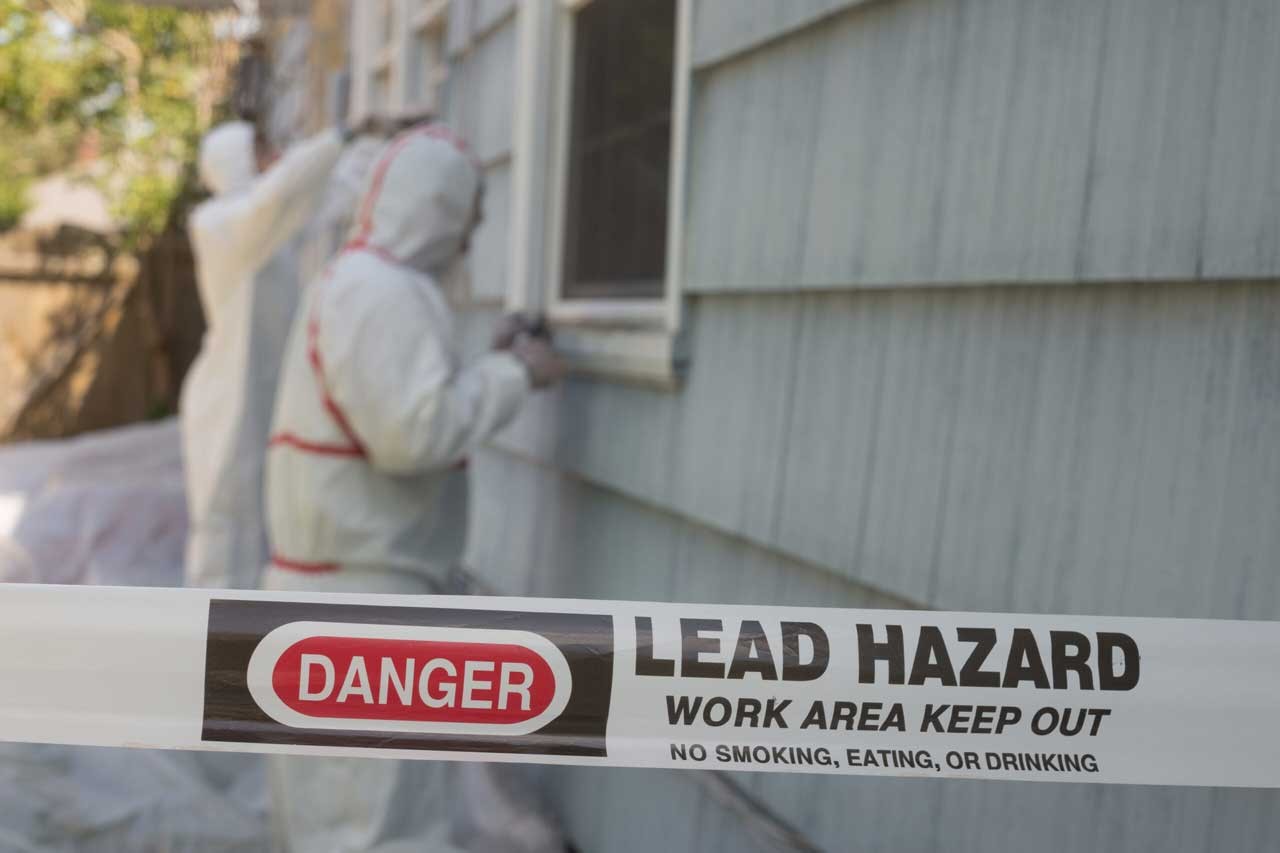
Mitigating the Neurotoxic Effects of Lead Exposure

Lead exposure is a risk to any human, but children are most vulnerable to the element’s neurotoxicity, which can lead to developmental delays, learning difficulties and mood changes among other symptoms. There has been some progress in reducing exposure and preventing neurotoxicity, but hundreds of thousands of American children are still affected.

A new study by Thomas Jefferson University neuroscientist Jay Schneider, PhD, suggests that the toxic effects of lead can be mitigated by attentive maternal care and an enriched environment in an animal model.

Dr. Schneider had previously shown that rats living in an enriched environment – larger cages with toys and climbing structures – experienced fewer negative effects on cognitive function and brain chemistry caused by lead exposure. In the new work, infant rats exposed to lead received either low- or high-quality maternal care, as measured by the amount of licking, grooming and nursing the pups received. After weaning, the rats lived in either standard laboratory cages or enriched environments. They found that high quality maternal care, along with an enriched environment, reduced lead’s untoward effects on performance on a memory task.

Animal studies like this are important as they demonstrate that the neurotoxic effects from early life lead exposure can be modified under appropriately enriched conditions — that the effects may be persistent but are not necessarily permanent. “It provides hope for families with lead-poisoned children,” Dr. Schneider says, “and particularly for families of lower socioeconomic status, where a child’s environment may also be less enriching.”

Primary prevention to avoid exposure in the first place is the best strategy, but until that is achieved, it’s crucial to understand that behavioral and environmental interventions might have positive impacts. “Lead poisoning has an enormous societal cost,” Dr. Schneider says. “My hope is that this study and others like it will be a call to action.”

By Jill Adams

Share This


Tags

  • Center City
  • Research
  • Science
  • Sidney Kimmel Medical College

Categories

  • Science and Technology
Showing 3 items.

Related Articles

Jefferson Honors Long-Time Employees
lungs
Jefferson Investigates: Cannabis & ADHD, Improving Recovery for Opioid Use Disorder, Small RNAs in COPD
Treating Schizophrenia Through Dance Therapy
Explore More Jefferson News
Thomas Jefferson University Home
  • Apply
  • Visit
  • Give
  • Facebook
  • Twitter
  • YouTube
  • Instagram
  • LinkedIn
  • Jefferson Health
  • Innovation
  • Philanthropy
  • Contact Admissions
  • Privacy Policy
  • Consumer Information

Jefferson holds itself accountable, at every level of the organization, to nurture an environment of inclusion and respect, by valuing the uniqueness of every individual, celebrating and reflecting the rich diversity of its communities, and taking meaningful action to cultivate an environment of fairness, belonging & opportunity.