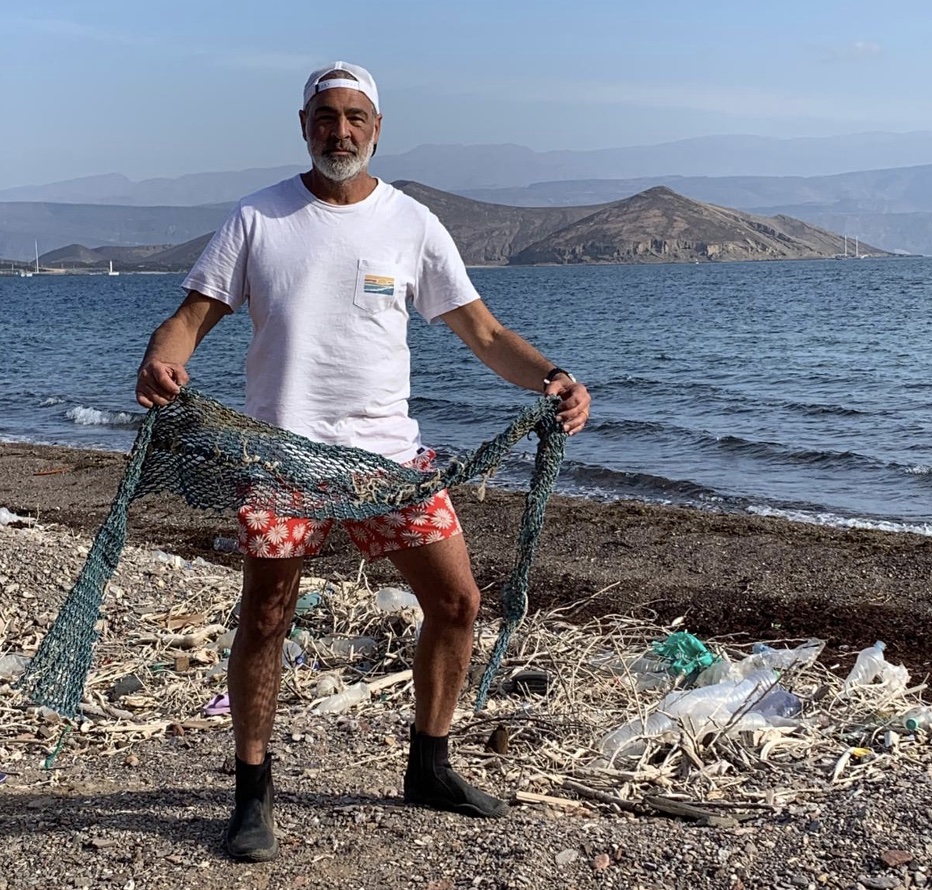
In addition to searching for whale sharks, two researchers and I conducted plastic counts at four beaches within the Gulf of Tadjoura, part of a larger assessment conducted by researchers at Italy’s University of Insubria. Prevailing winds carry and deposit these macroplastics (bottles, flip-flops, toys, etc.) to most of the area’s wind-facing beaches and coastlines. We laid down a rope quadrant at each site and collected any plastics within that space for analysis of source and type.
Having recently evaluated microplastics from 10 beaches along the Delaware River Estuary and from filter-feeding mussels from the Delaware Inland Bays, I was struck with the enormity of plastic waste on these seemingly pristine beaches compared to my study sites on the U.S. East Coast. It’s a true testament to the far-reaching effects of our plastic consumption and ineffective or non-existent methods to limit its waste.
Despite the depressing visual of plastic littering the shores of these remote beaches, our field collections will hopefully add to the research evaluating the extent of plastic pollution and its sources in this remote part of East Africa.
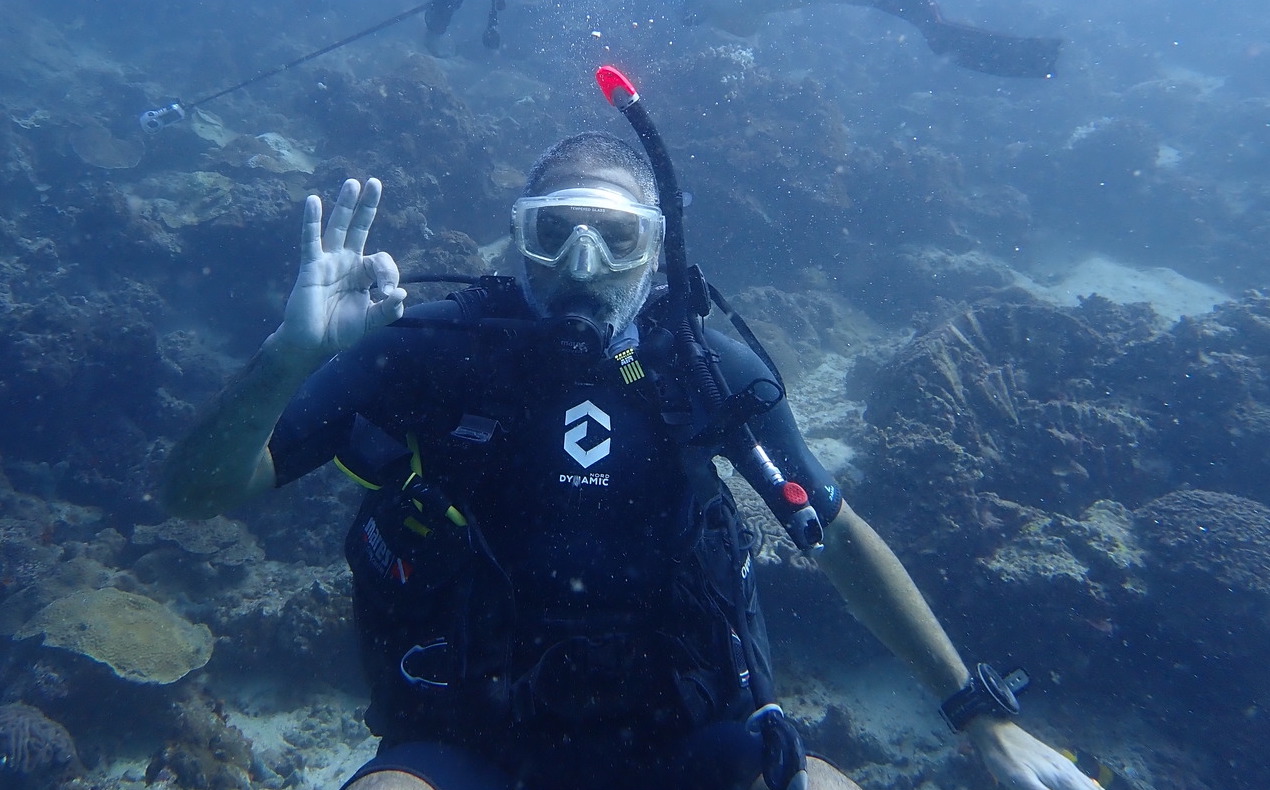
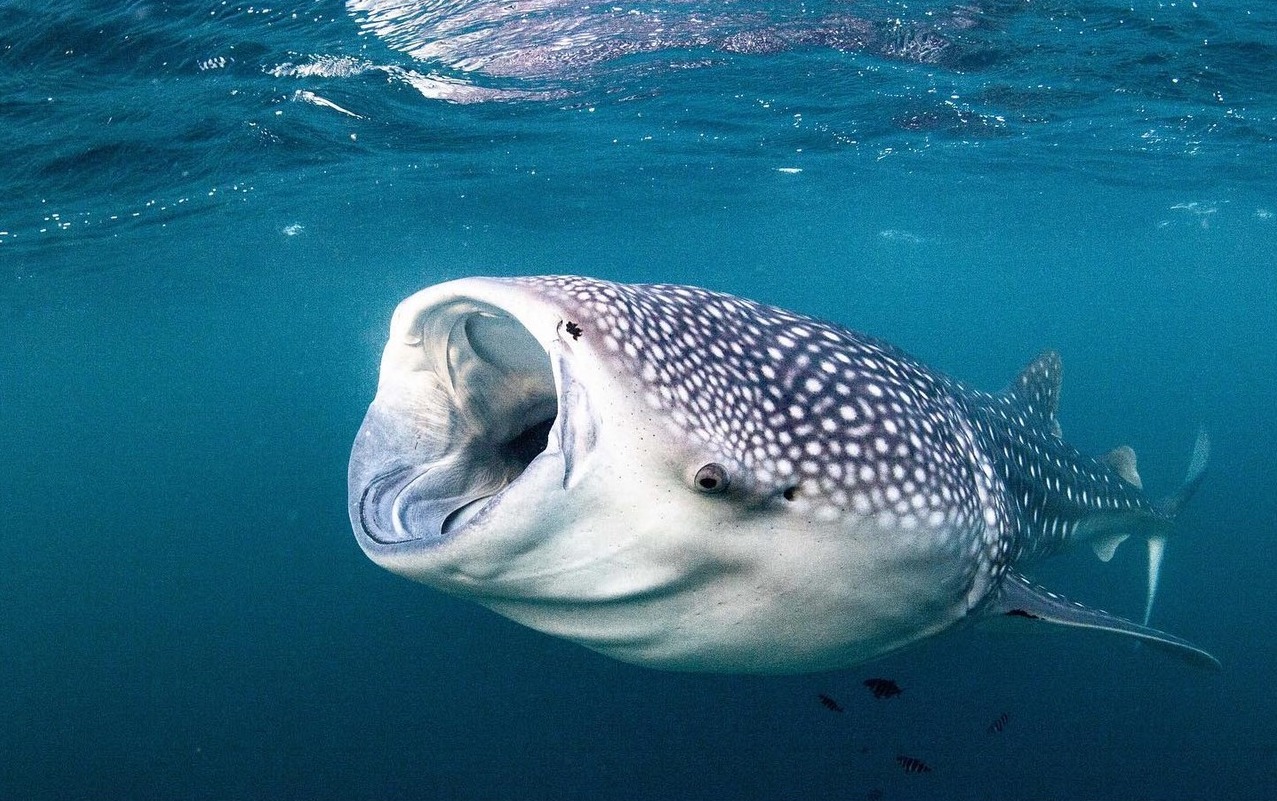
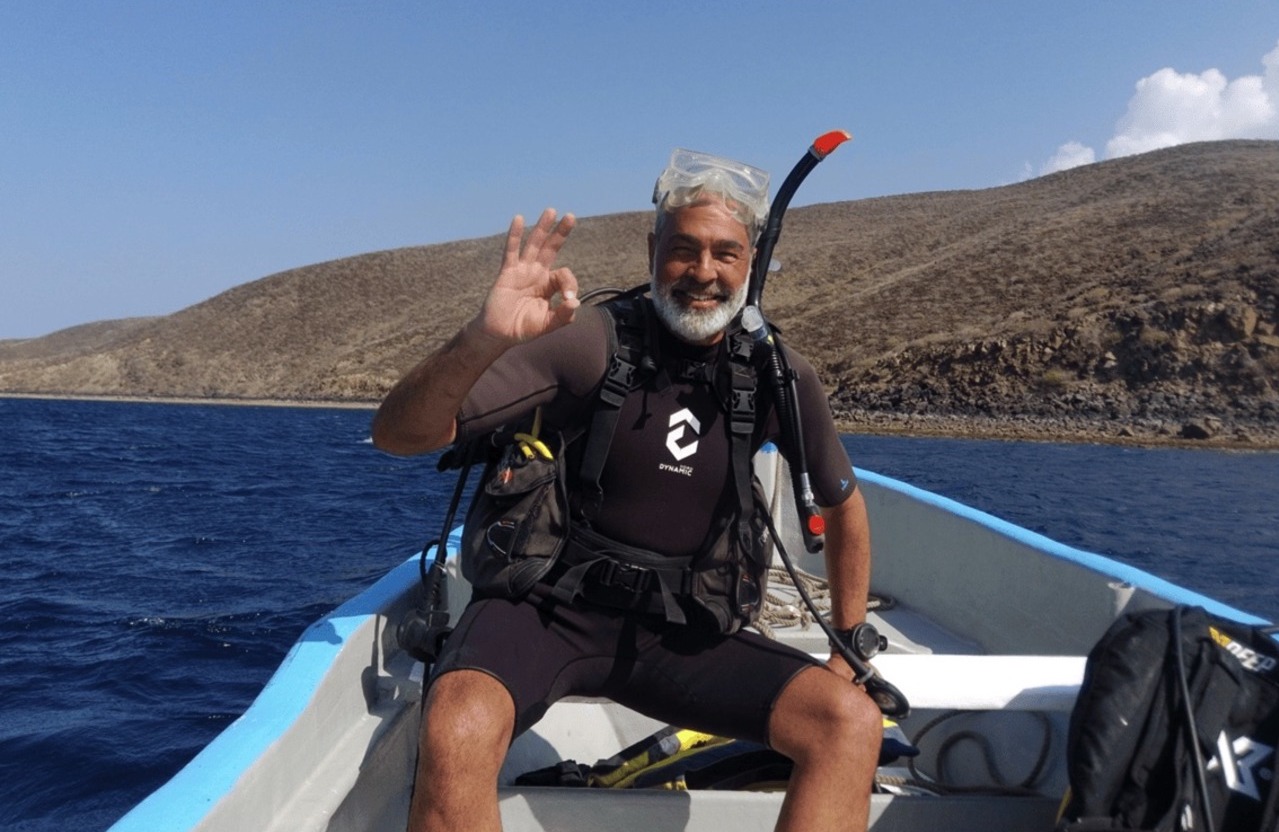
This once-in-a-lifetime experience of documenting whale sharks made an indelible mark in my mind, and I also will cherish the memories formed with nine new friends on the expedition. As a professor with 30 years of research experience in coastal and marine pollution, I savored the opportunity to expand my research interests and broaden my expertise.
Lastly, I’m truly looking forward to bringing back my hands-on experiences to the classroom and sharing my knowledge and enthusiasm with my students through my annual fall course in oceanography.
Dr. Jeffrey Ashley is a chemistry professor at Jefferson. Watch his video from the trip here.
(Photos/Courtesy Dr. Jeffrey Ashley, Dr. Jennifer Schmidt and David Robinson)